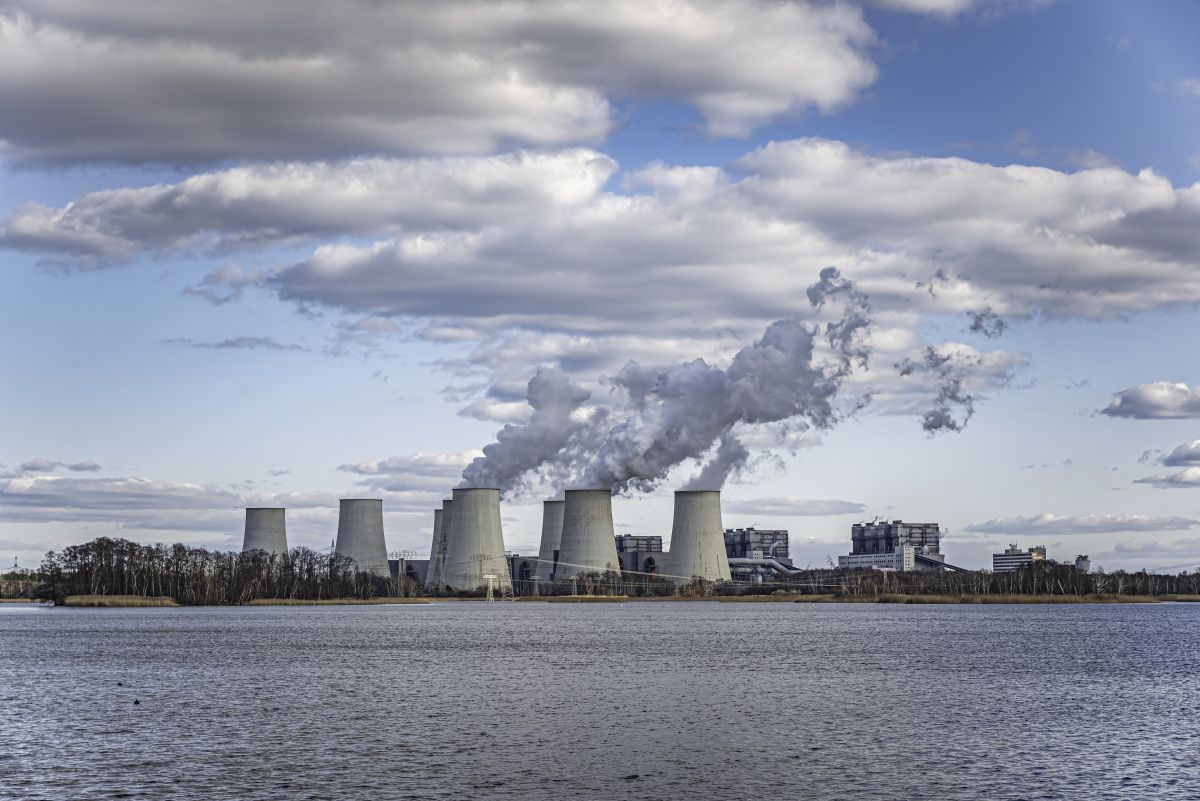


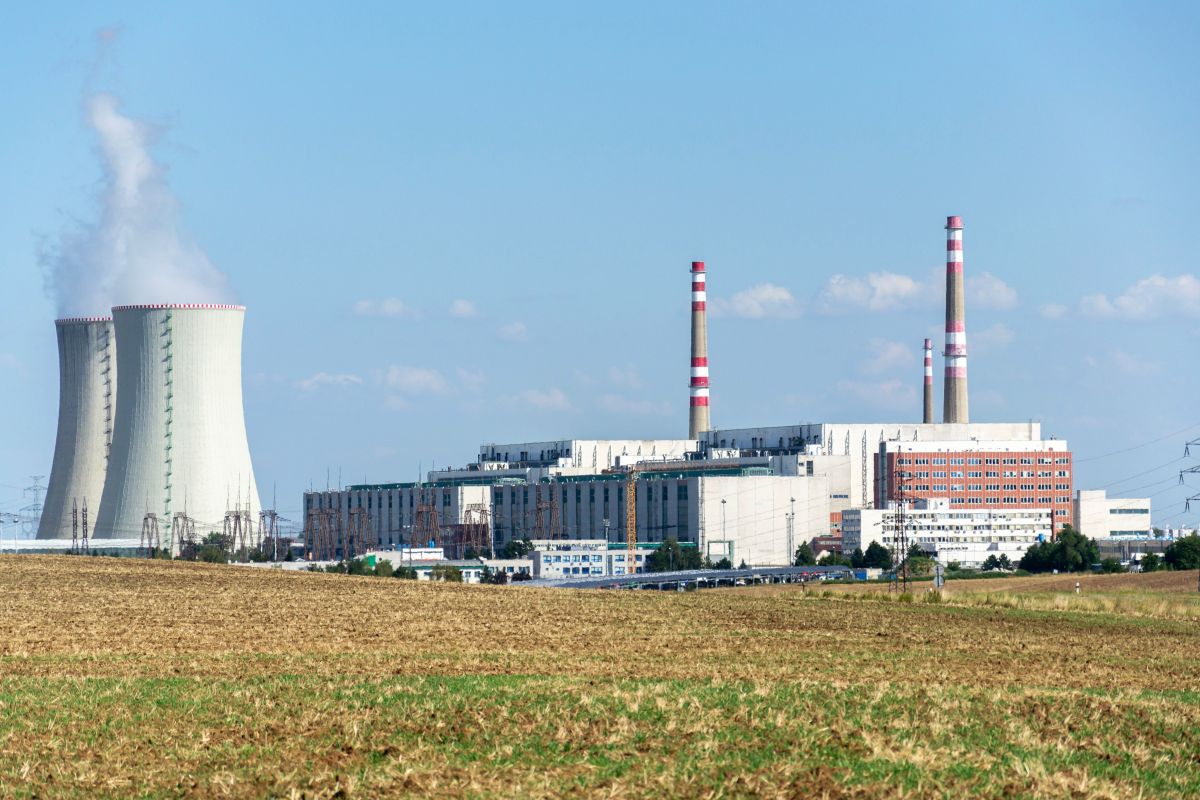
The FSAR is a detailed technical document for a nuclear facility’s operations. It explains how a nuclear facility is designed, operated, and maintained so that plant personnel and the environment remain safe. The report must be developed and maintained by operators of nuclear facilities as part of the licensing and operational oversight process with regulatory authorities. An updated FSAR helps ensure that the facility operates within its approved safety limits for its entire operational life.
What is a Final Safety Analysis Report?
The FSAR presents a detailed safety assessment of the facility, examining how it would respond to a range of operational situations, including potential accidents. Following initial licensing, this document is maintained as the Updated Final Safety Analysis Report (UFSAR), reflecting the plant’s current design and licensing basis throughout its operational life.
FSAR Regulatory Requirements for Submissions
The NRC has mandated FSAR requirements in the United States under several regulatory provisions.
- 10 CFR 52—Covers combined licensing as well as early site permits. An FSAR is submitted as part of the combined license and subsequently maintained as a UFSAR.
- 10 CFR 50, Appendix A—Establishes general design criteria that the safety analysis must meet.
- 10 CFR 50.34—Defines the required contents of the FSAR, including design description, safety analysis, and operating limits.
- 10 CFR 50.71 (e)—Licensees must update their FSAR at intervals not exceeding 24 months to reflect any changes, tests, or experiments that have occurred since the previous submission.
- 10 CFR 50.59—It governs the process whereby licensees can make changes to their facility or procedures without prior NRC approval.
The FSAR Update Process: What Triggers a Revision?
FSAR updates are required periodically, with updates submitted at intervals not exceeding 24 months. However, additional revisions may be triggered by plant changes or regulatory actions, such as:
- Modifications of technical specifications that the NRC has approved via License Amendment Requests (LAR).
- Revisions or new accident analyses due to updated computer codes, methodologies, or changes in plant parameters.
- Changes to procedures that affect the safety of the facility.
- Changes resulting from NRC inspection findings, orders, or regulatory correspondence.
Every update cycle must include a description of each change, the safety assessment supporting the change, and any updated text where the FSAR does not accurately reflect the current plant configuration.
Updates to FSAR and Maintenance
The FSAR has several distinguishing characteristics. It is not a static report. It is a dynamic report that needs to be updated and maintained throughout the facility’s lifetime. Changes to plant systems, operating procedures, and regulatory requirements may require revisions.
Documentation and Compliance
To update an FSAR, multiple departments in a nuclear plant must work together. Engineering teams evaluate system modifications and determine whether safety analyses should be revised. Operational personnel provide information on changes in procedures and operational experiences. Regulatory compliance specialists ensure that the report is updated according to applicable rules and guidelines.
Document Control and Versioning
Document management is also essential to maintaining FSAR compliance. Nuclear facilities are required to maintain structured systems for version control, document tracking, and secure storage because reports often contain thousands of pages of information.
Plant Design and Safety Systems
Operators provide detailed descriptions of safety systems to protect the reactor and the surrounding environment. Included are containment structures and cooling systems. Also included are emergency shutdown systems and monitoring equipment that detect abnormal conditions.
Role of FSAR for Nuclear Safety Culture
The FSAR can be utilized by engineers, operators, and safety professionals to understand plant design and operational limits and support informed decision-making and risk management. Regulators frequently review the report to ensure that the facility’s operations align with the licensing basis. Well-maintained FSARs demonstrate that the facility is committed to transparency, regulatory compliance, and continuous improvement of safety performance.

Nuclear Facility Operators: Compliance Best Practices
Maintaining FSAR compliance is a continuous operational responsibility. The following are best practices that leading nuclear organizations use:
Train Staff on FSAR Significance
All engineering and operation staff should be aware of which activities trigger FSAR updates and the regulatory implications of allowing this document to become out of sync.
Use Digital FSAR Management Tools
Modern nuclear power plants are increasingly using electronic FSAR platforms, or eFSAR, which allow for real-time tracking, version control, and streamlined NRC applications.
Conduct Reviews
Conduct an internal quality review against the as-built plant before submitting a 24-month update. This includes procedure manuals and the current technical specifications to identify any discrepancies.
Audit Against Inspection Results
Include lessons learned from NRC inspectors and industry events via INPO or WANO to identify where the FSAR might need strengthening proactively.
Challenges of Managing FSAR Documentation
Despite the importance of FSAR, its management presents several challenges. Even small changes in nuclear facility systems can require detailed documentation and analysis. Facilities must ensure that changes accurately reflect system interaction and safety implications. The increasing complexity of power systems in modern times adds to the requirements analysis and documentation.
Conclusion
FSAR serves as a reference tool for regulators, operators, and engineers by describing a facility’s safety system, operational procedures, and accident analyses. This report can be relied upon to provide a solid foundation for the safe operations of nuclear facilities throughout their lifetime. It is important to maintain an accurate FSAR because it is a legal requirement, and it is a crucial component of responsible nuclear facility management, ensuring long-term safety and reliability.
FAQs
1. What is an FSAR and UFSAR in nuclear power plant licensing?
2. How often must an Updated Final Safety Analysis Report (UFSAR) be revised under NRC requirements?
3. Why is the Final Safety Analysis Report (FSAR) critical for nuclear regulatory compliance and plant safety?
4. What does an FSAR contain and how is it structured?
5. Who is responsible for preparing and submitting the FSAR to the NRC?
Disclaimer: Any opinions expressed in this blog do not necessarily reflect the opinions of Certrec. This content is meant for informational purposes only.