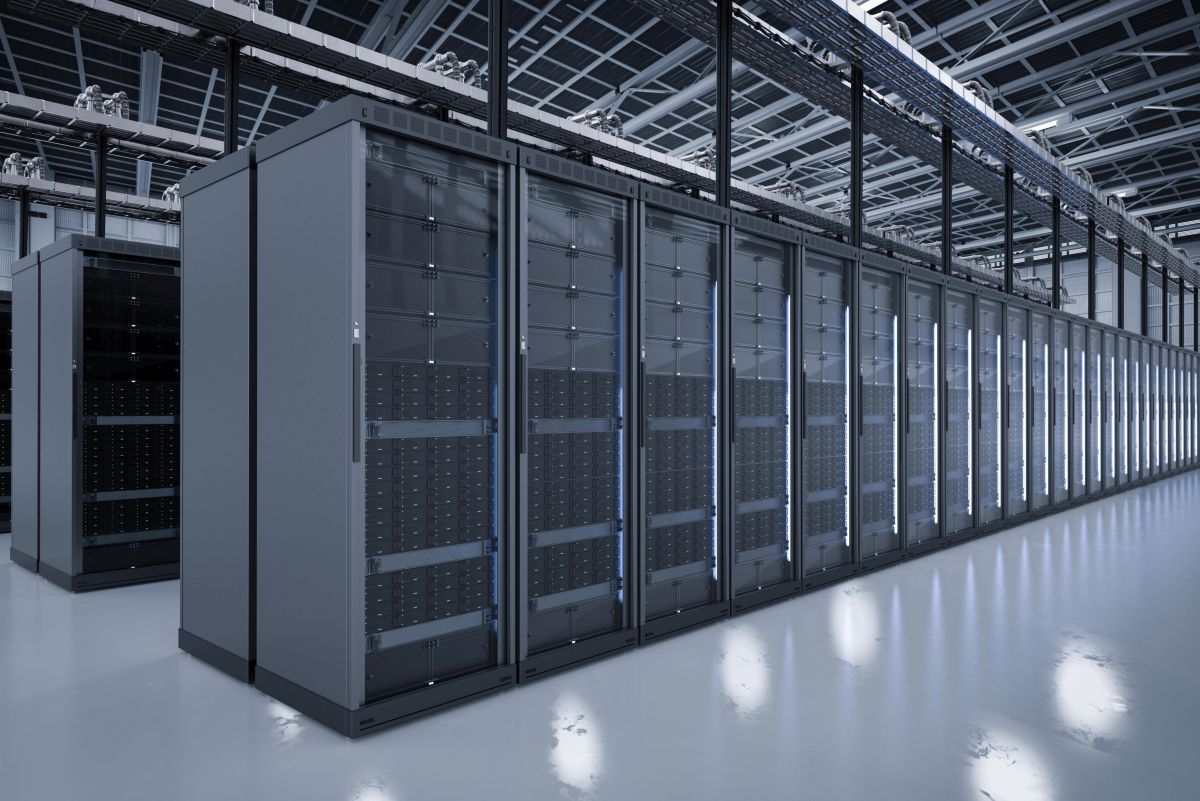


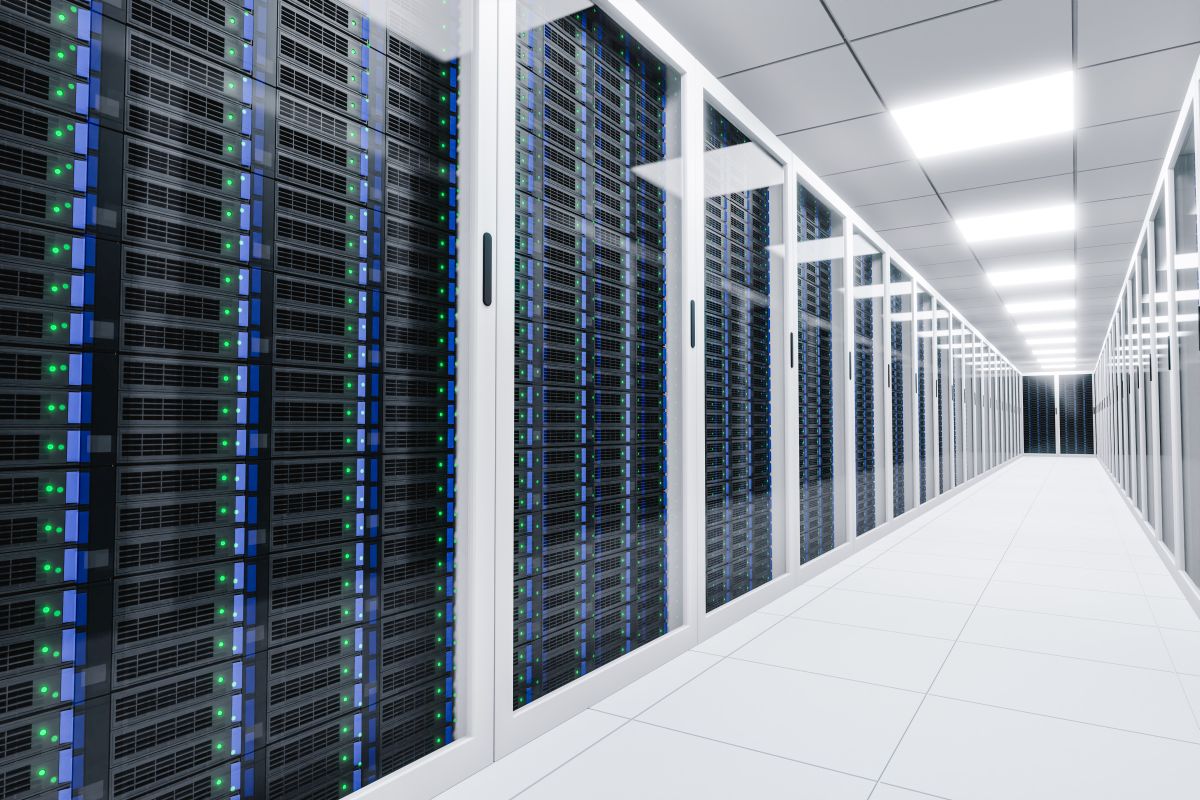
Data centers are the backbone of the modern digital economy, powering everything from cloud computing and video streaming to AI and blockchain, consuming vast amounts of electricity. Meeting this demand with fossil fuels increases carbon emissions, making sustainability a critical challenge. By adopting renewable energy, on-site generation, and energy-efficient designs, data centers can reduce their environmental impact while ensuring reliable power and supporting grid stability.
Challenges for Power Demand
Running a data center’s IT infrastructure requires continuous energy input that simultaneously generates substantial heat. As networking capacity scales up, it increases power consumption and thermal output. According to recent data from the Environmental and Energy Study Institute (EESI), processors, chips, and storage hardware alone account for roughly 45% of a data center’s total energy use.
Cooling systems must be installed in each server room to cool the processors and servers and maintain optimal temperatures. This cooling equipment takes about 38% of an average data center’s energy consumption. Furthermore, security systems to protect this equipment, backup uninterruptible power supplies, power conditioning, and lighting make up the remaining portion of energy use.
Energy Consumption Breakdown
Data centers execute complex operations and code that require maximum use of GPUs and CPUs. As these units increase in complexity to handle AI operations, their energy and water consumption increase in parallel.
Data Center Types and Their Energy Profiles
Power consumption varies significantly depending on a facility’s size, ownership model, and utilization rate. Small/edge data centers, typically co-located within corporate, government, or university facilities, operate at lower utilization rates and are primarily used for research computing and internal networking. Bigger enterprise data centers, owned by a large company for its exclusive use, account for 20-30% of the total data center load.
Colocation data centers are external, standalone structures rented by third parties. Specialized developers build them and then rent them out to businesses looking for a space to store their IT servers, hardware, and data storage equipment without the inconvenience of building their own data centers. While cloud computing data centers are similar, their equipment is owned by the developer and rented out. Cloud and hyperscale data centers, owned by major tech providers and offering shared compute resources, are the largest category, consuming the most energy at scale.
Leading Hyperscale Operators and Their Impact on the Grid
Microsoft, Google, Meta, and Amazon are the leading operators of hyperscale data centers. In addition to the carbon emissions they generate, data centers consume large quantities of water directly and indirectly.
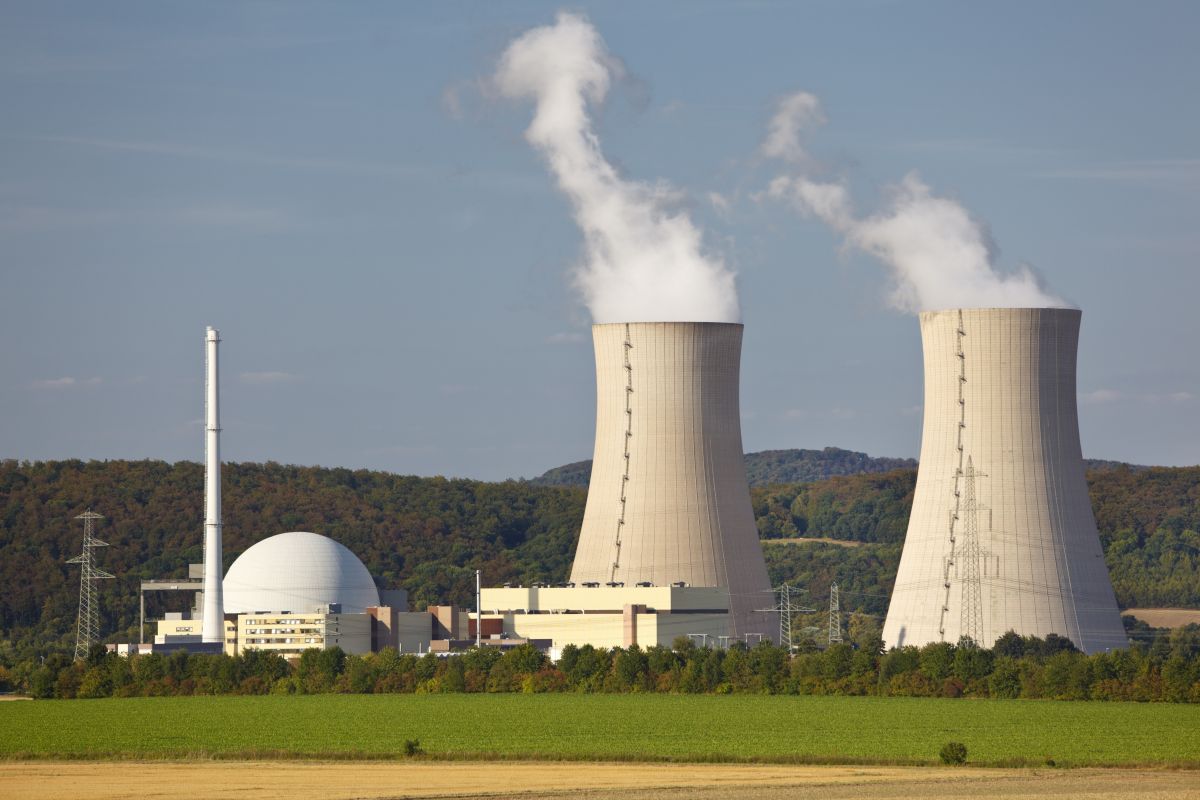
According to EESI data cited by Hanwha, from September 2023 to August 2024, renewable energy provided 22% of all data center energy needs, while nuclear energy provided 21%. As data center construction surged over the last three years, power from fossil fuel plants continues to account for roughly 56% of data center electricity.
Renewable Energy Solutions for Data Centers
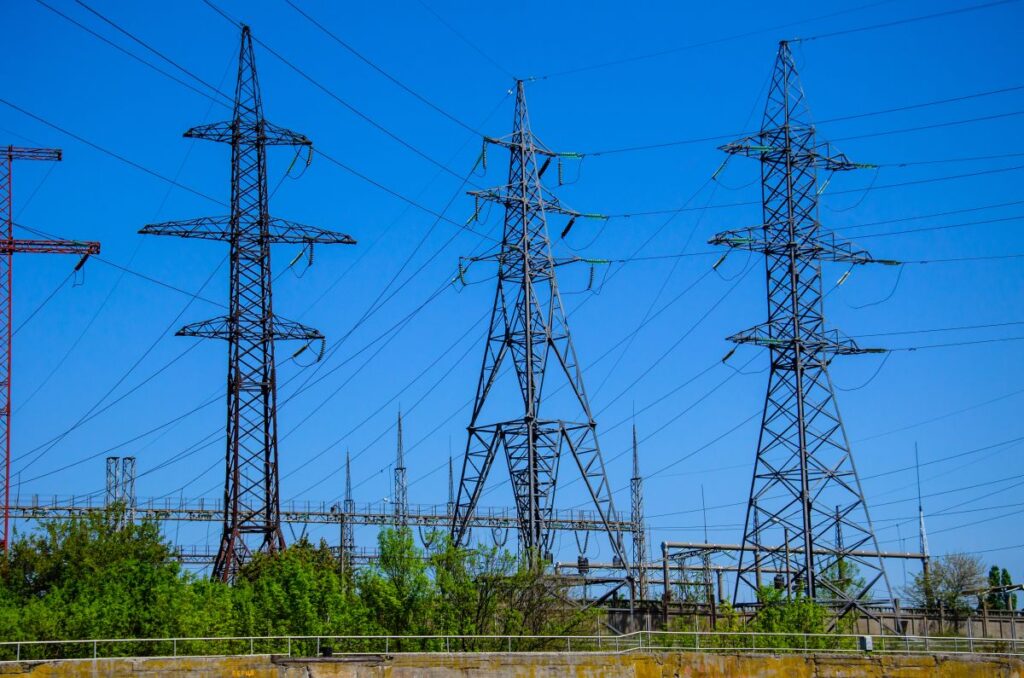
Data center developers’ easiest choice is to plug into a mostly fossil fuel-based power grid. To reverse this dynamic, data center developers have many solutions for siting data centers: they can build them in places with abundant renewable energy, generate renewable power on-site, or make their facilities more energy-efficient, thereby reducing their need for grid power.
On-Site Renewable Energy Generation
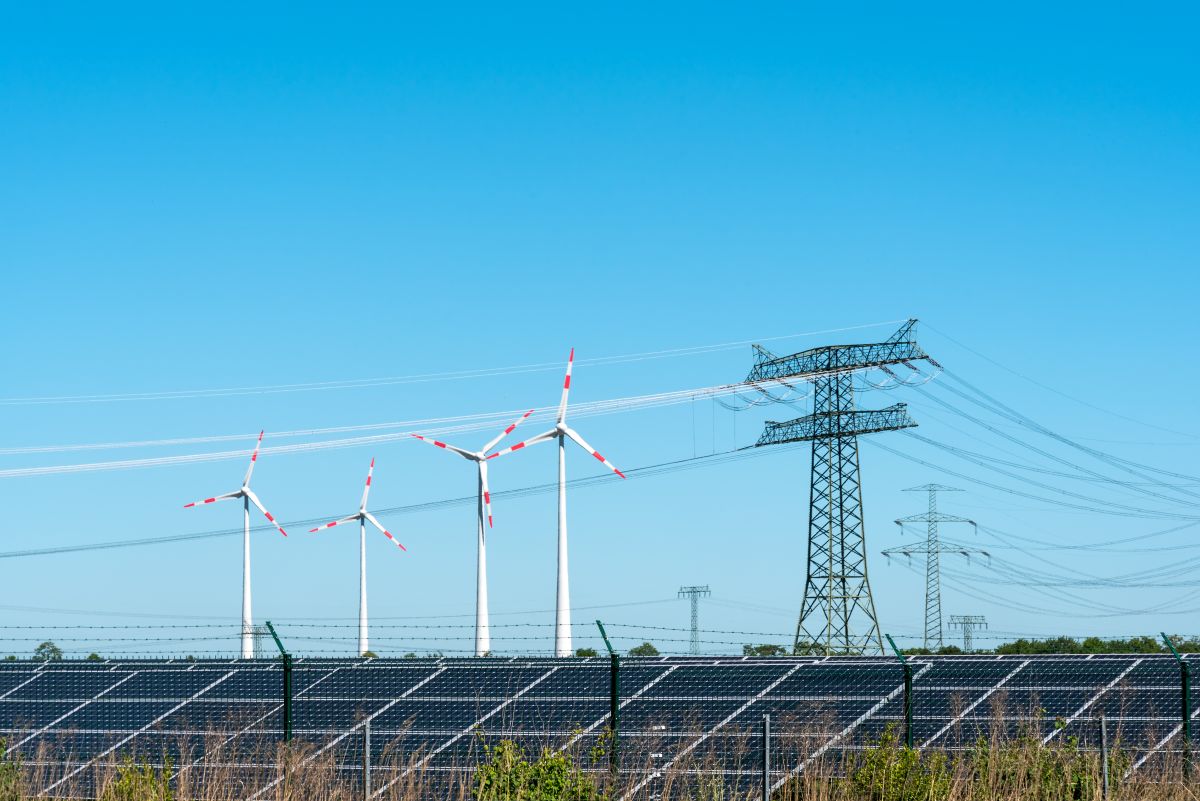
Installing solar panels and battery storage devices reduces carbon footprint and grid dependency. So, it reduces data centers’ reliance on carbon-intensive diesel generators as a backup.
Meeting Electricity Demand & Grid Reliability
Data center electricity demand is growing rapidly and varies regionally. Data centers can impact regional grids given steep increases in load size. Individual hyperscale facilities can require 100–1,000 MW—comparable to the electricity demand of entire cities. They may be geographically constrained by latency requirements and often require firm power sources to operate continuously. Projections of data center electricity demand growth continue to evolve due to emerging use cases, demand for AI, and the pace of energy-efficiency improvements.
Regional Demand, Grid Impacts, and Planning
Complementary solutions for managing demand growth include proactive planning, innovative tariff structures, grid performance optimization, and alternative financing structures to fund new energy projects, supply chain, and workforce development. Regulatory reforms can unlock the barriers to adopting these energy solutions. DOE’s Future of Resource Adequacy Report outlines solutions to address rising electricity demand in the near and long term while maintaining system reliability.
Conclusion
Solar, wind energy, and battery storage are the most rapidly scalable and economical solutions to meet increased electricity demand from data centers. Centers’ need for clean power and scaling other energy technologies, such as next-generation geothermal and nuclear, will also be critical to meeting data center electricity demand. Globally, meeting this demand could require hundreds of gigawatts of additional capacity by the mid-2030s, particularly as large hyperscale facilities continue to scale.
FAQs
1. What are the key drivers of the U.S. electricity market in 2026?
2. How is renewable energy expected to impact the U.S. electricity market in 2026?
3. Will electricity demand increase in the U.S. by 2026?
4. What challenges could affect the U.S. electricity market in 2026?
5. How are utilities preparing for the future electricity market?
Disclaimer: Any opinions expressed in this blog do not necessarily reflect the opinions of Certrec. This content is meant for informational purposes only.