Skip to content


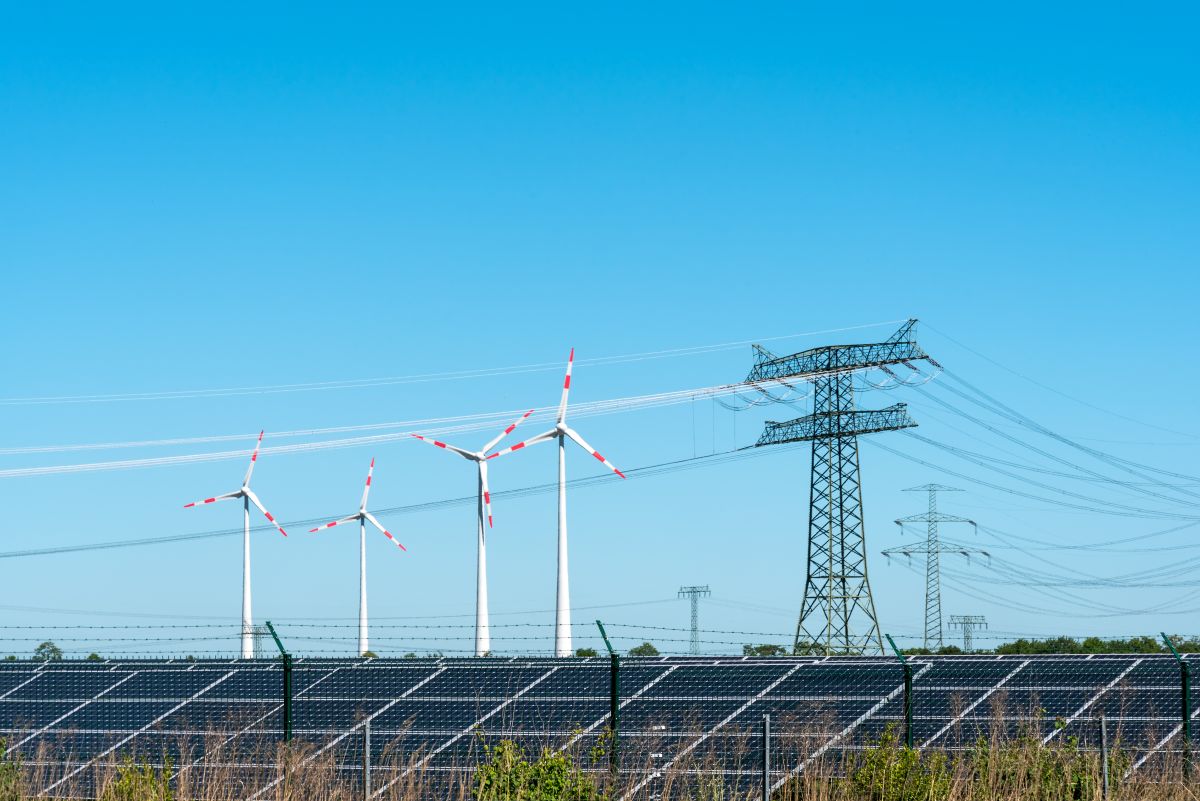
The U.S. Energy Information Administration (EIA) recently updated its power generation forecast for 2026. Utility companies, planners, and investors often utilize reports from the EIA to inform their decisions about grid investments and the integration of renewable energy sources.
The updated forecast highlights emerging and fundamental patterns shaping the electric power industry, including the effects of large-scale buyers. The revision reflects slower demand growth in some regions while the U.S. power sector continues to undergo structural changes driven by renewable energy expansion.
What Has Changed in the EIA’s 2026 Forecast
Market and technology trends will be the defining factors of how the U.S. meets its energy needs in the coming years.
1. Expected Electricity Generation Has Been Lowered
In the Short-Term Energy Outlook (STEO), the EIA has reduced its projected growth in U.S. electricity generation for 2026 by more than one percentage point from about 3 percent to roughly 1.7 percent. The revision reflects slower-than-expected timing of large electricity loads coming online, particularly in Texas (ERCOT), which was a demand region in 2025. In the ERCOT region, demand growth projections have been revised, although overall demand remains higher than in recent years.
2. Reasons for the Revision
Several reasons can be attributed to the EIA revision:
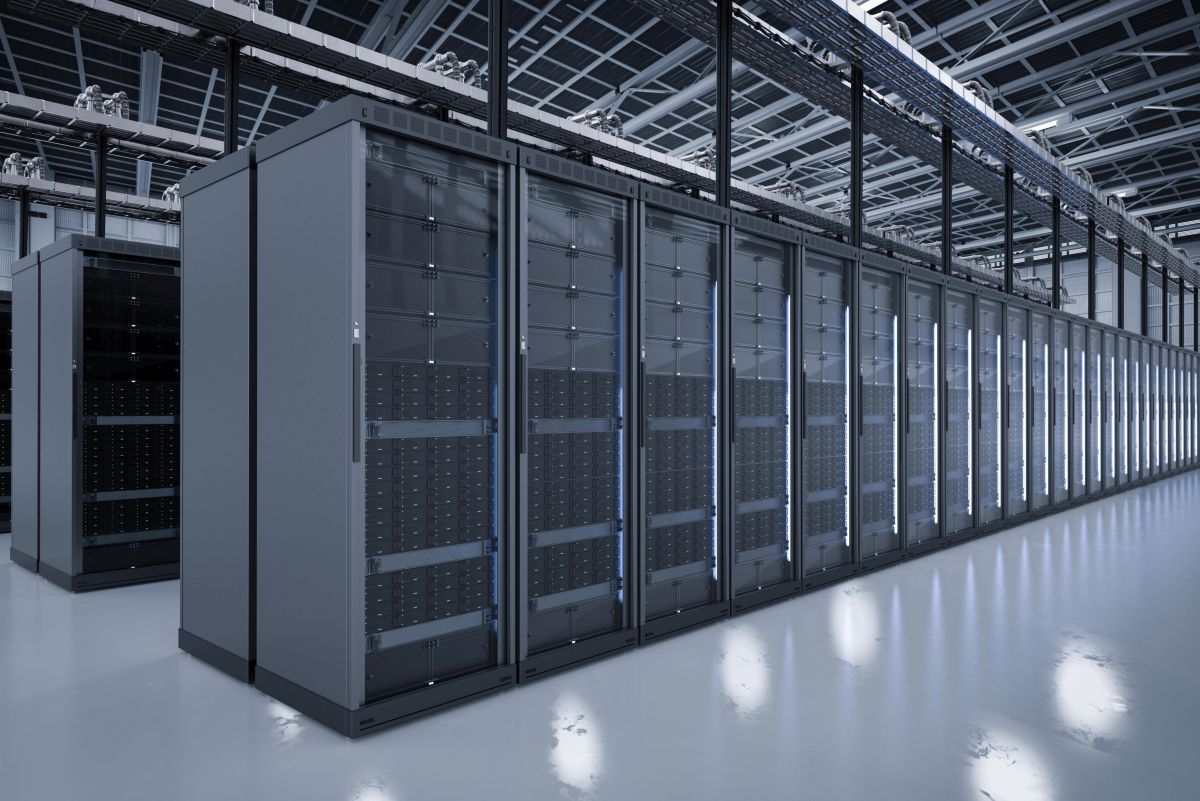
- Large data centers and industrial loads have been expected to increase demand, but some projects have come online more slowly than previously expected.
- In previous years, demand growth in ERCOT exceeded expectations, but recent projections show a more stable demand outlook.
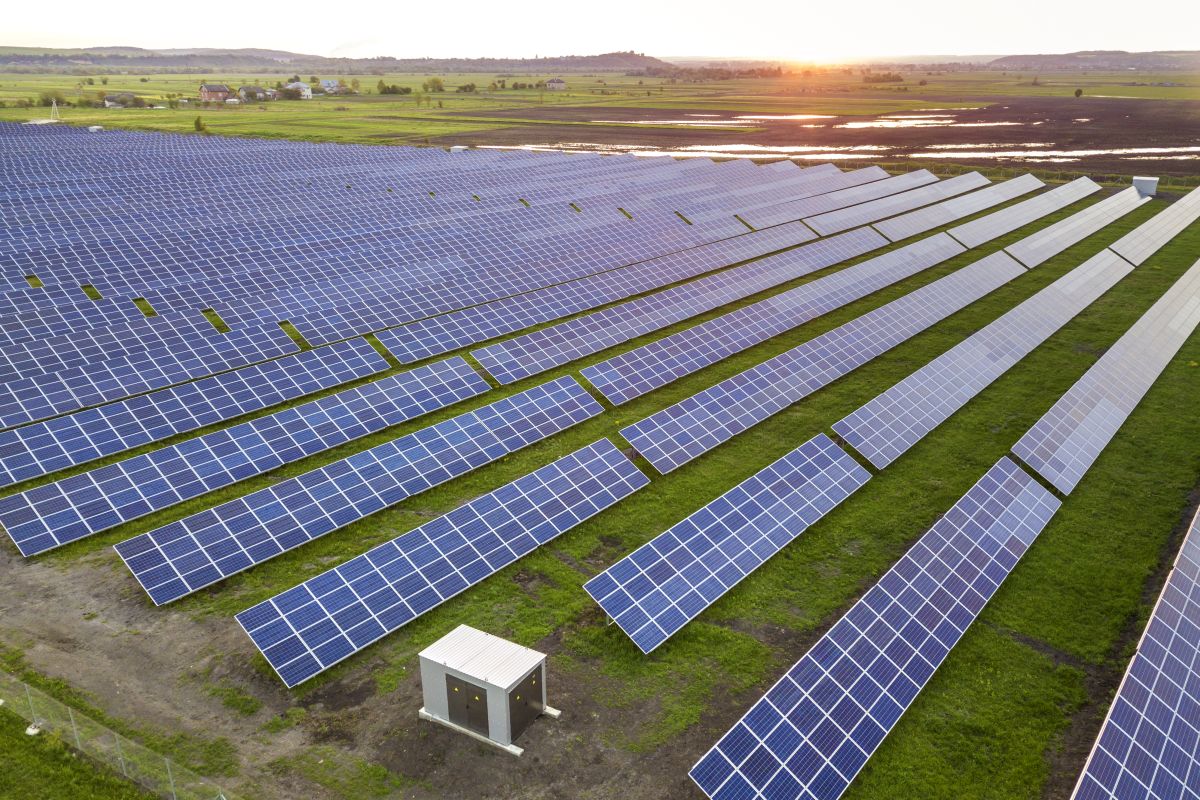
- The mix of generation resources is changing as renewable resources and battery storage technologies increase.
3. Future Impact on Energy Markets and Planning
The EIA continually adjusts its forecast as new information is presented, and the combination of economic metrics, temperature patterns, and technology deployment drives forecast changes.
3.1 Electricity Supply and Demand in a Grid System
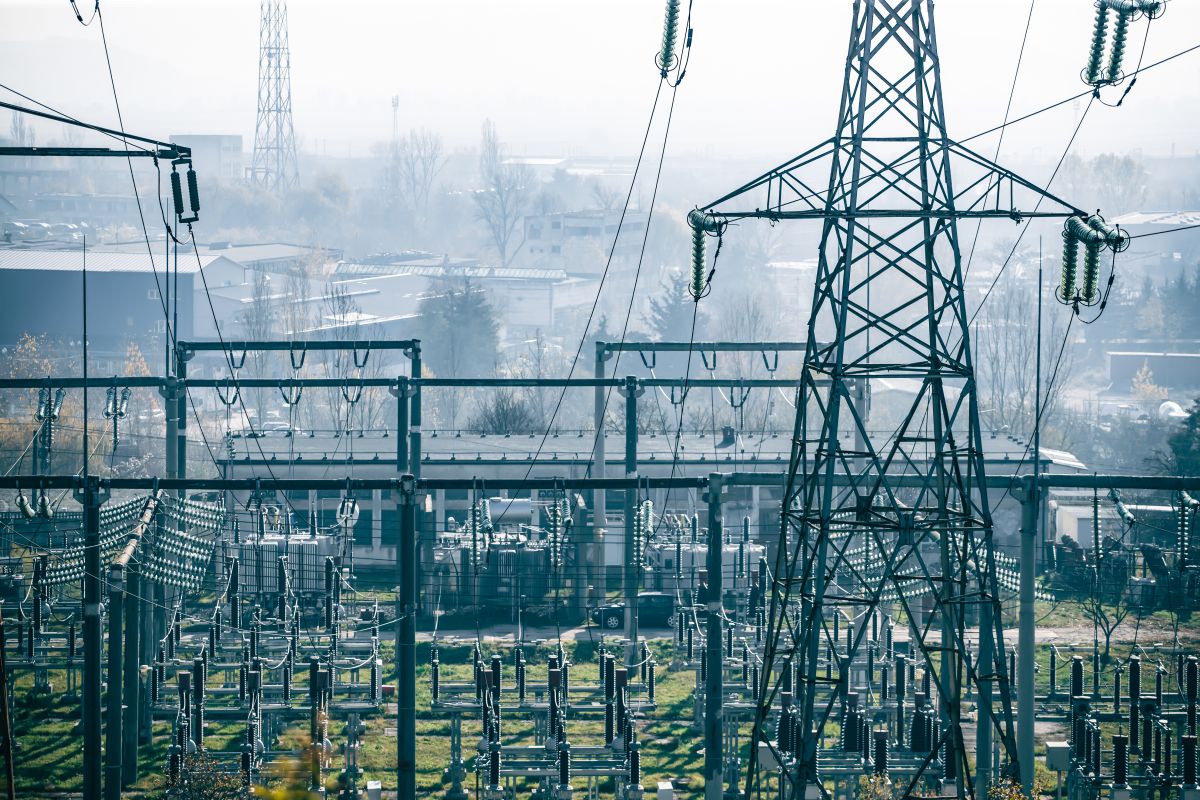
The slower demand outlook may ease short-term pressure on generation capacity in some regions, although transmission constraints and interconnection backlogs remain key challenges for the U.S. power grid. The majority of new generating capacity additions are expected to come from solar, wind, and battery storage.
3.2 Price Signals and Investment Choices
Revised forecasts will affect market expectations regarding future electricity prices and the return on investment. A slower-than-anticipated increase in demand necessitates adjustments to procurement and investment strategies by utilities and independent power producers.
3.3 Balancing the Energy Transition
Overall energy generation is expected to grow at a much slower rate, while clean energy generation is increasing rapidly. With the rapid growth of clean energy, energy policies, grid flexibility, and greenhouse gas emissions may also be affected. These trends highlight the continuing transformation of the U.S. power sector during the energy transition.
4. Demand Growth by Regions
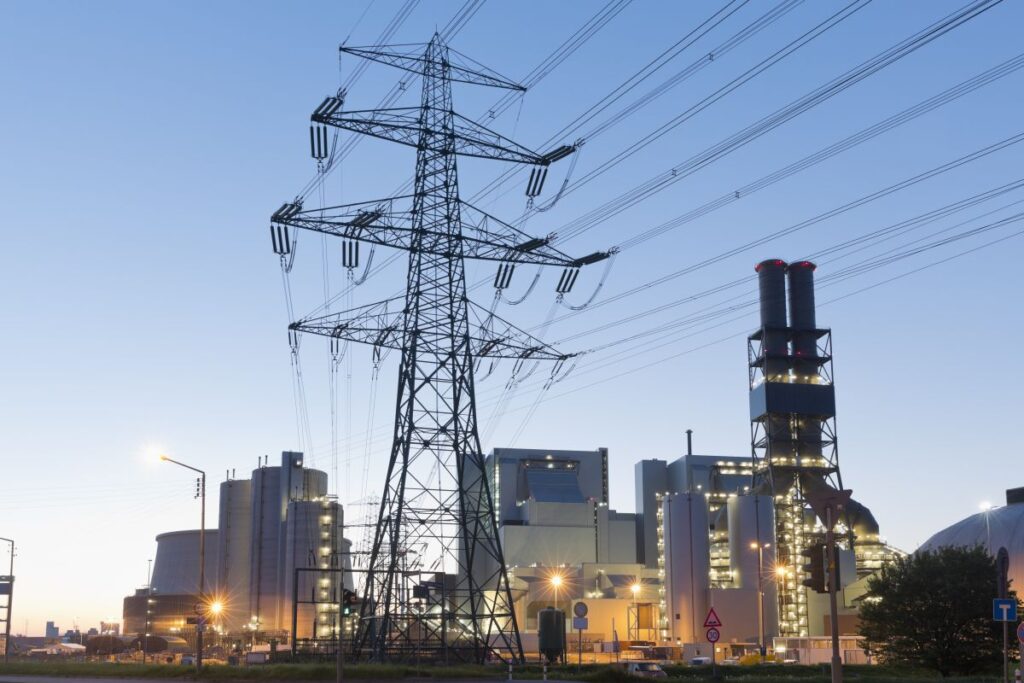
Unsurprisingly, demand growth is not the same across the country. Across the U.S., industrial expansion and high-power loads such as data centers are driving localized electricity demand growth. In these areas, localized pressure can be placed on grids and transmission infrastructure. In contrast, regions with slower industrial growth may experience more moderate electricity demand increases.
Challenges for 2026 and Beyond
The downward revision by the EIA signals both caution and opportunity for the power sector:
- Caution: Slower demand growth can contribute to uncertainty about long-duration investments in generation and transmission.
- Opportunity: The energy mix is changing, with an increasing role for renewables and storage, which, in the long run, can reduce marginal costs and emissions.
Conclusion
The changing dynamics of the energy market are evident in the EIA’s analysis of the 2026 power generation forecast and the need for updated data to support effective planning. Rapid solar deployment and rising electricity demand from data centers are reshaping U.S. power markets. The EIA expects electricity demand to continue rising through the decade, driven largely by data centers, electrification, and industrial growth, even as the growth rate fluctuates year to year.
FAQs
1. Why did the EIA cut its 2026 power generation forecast?
2. What role does renewable energy play in the revised forecast?
3. Does this mean U.S. power demand is declining?
4. How might this impact electricity prices?
5. What implications does the forecast revision have for utilities?
Disclaimer: Any opinions expressed in this blog do not necessarily reflect the opinions of Certrec. This content is meant for informational purposes only.