

The energy sector is undergoing a major transformation due to increased power demand resulting from the widespread electrification of the economy and a global push toward decarbonization. As a result of this demand, sources of energy must be more stable and low-emission in nature to ensure that future consumption demands can be met. Nuclear power is becoming an important entity in the global energy equation, offering a reliable, low-carbon source of power that can support future energy needs.
Rising Energy Demand and Its Global Impact
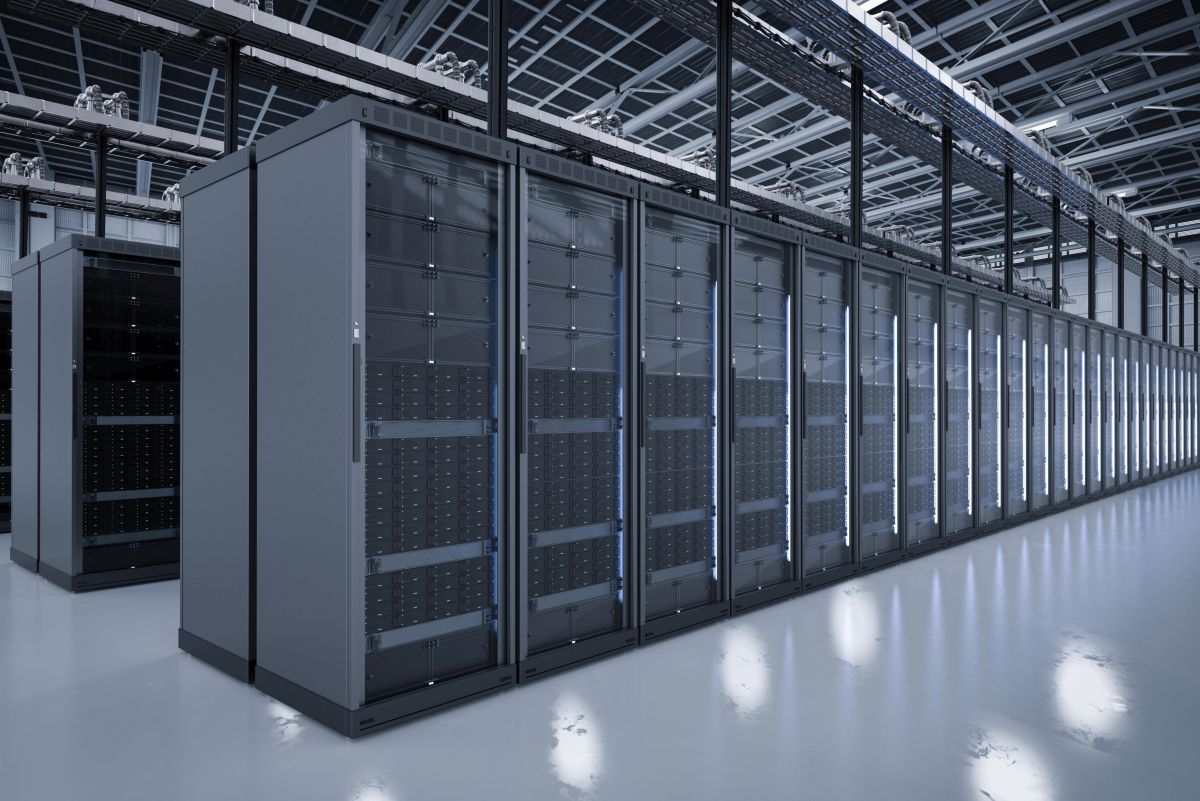
The International Energy Agency (IEA) reported that the total worldwide energy demand increased in 2024, resulting in higher rates than the recent averages. Some of the factors contributing to this boom are the increasing proliferation of data centers as a result of the recent advancements in AI and consumers going green by buying Electric Vehicles (EVs).
In 2024, renewables and nuclear met almost three-quarters of the growth in total global electricity supply, raising the total share of their combined supply to just over 40%. According to the World Energy Outlook 2024 report, the world is likely to experience a twofold increase in any form of electricity in the year 2050, and, therefore, there would have to be a massive increase in low-carbon power-generation capacities to fulfill the demand.
The Role of Nuclear Power in Low-Carbon Energy
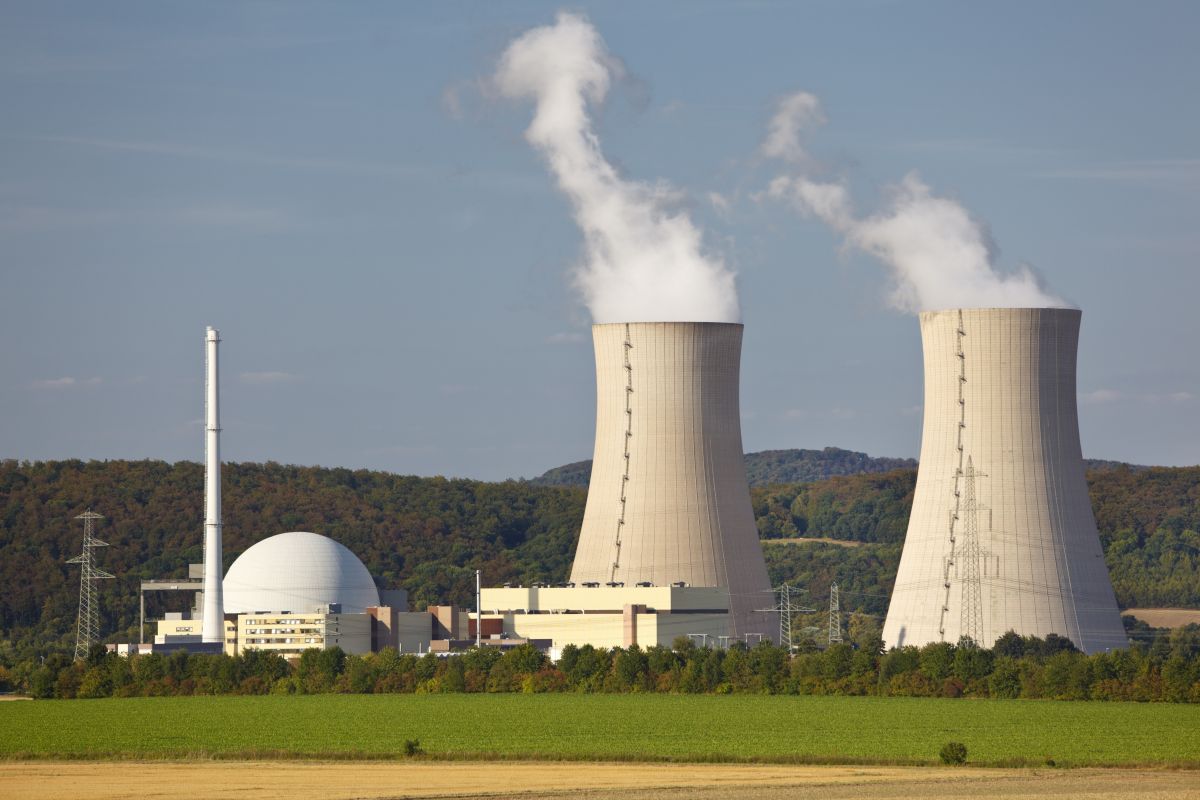
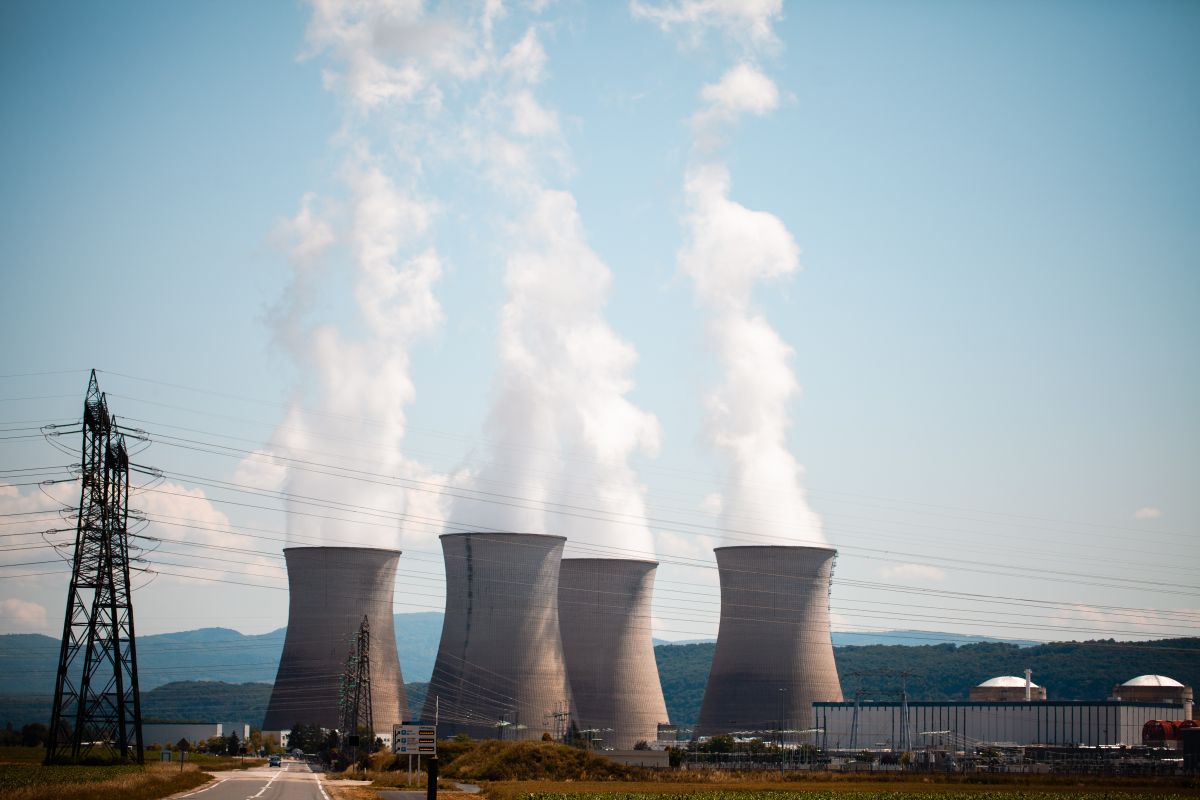
The role of nuclear energy is finding a new focus as a source of reliable and low-emission energy. Across the world in 2023, nuclear electricity represented approximately 9% of the total global generation and generated 2,602 terawatt-hours (TWh) of electricity. In a high-case scenario, the International Atomic Energy Agency (IAEA) predicts that the world nuclear capacity will grow 2.5 times by 2050, with the Small Modular Reactors (SMRs) contributing to this increase substantially.
The focus of nuclear energy is on acquiring a new energy source as a source of reliable and low-emission energy. In 2023, nuclear-generated electricity in the world made up about 9% of global electricity and supplied 2,602 terawatt-hours (TWh) of electricity. According to a high-case scenario, as foreseen by the IAEA, the world nuclear capacity will be increased 2.5 times by 2050, with the SMRs making a significant contribution.
Implications for Nuclear Capacity Planning
The growing electricity demand and the need to decarbonize the energy systems are pushing countries to redo their energy policies. It is now widely seen that nuclear power would form an important part of a diversified energy mix. However, the path to expanding nuclear capacity is fraught with challenges:
- Regulatory Hurdles: The nuclear industry in the U.S. is faced with a complex and challenging regulatory system. U.S. NRC licensing timelines and compliance processes can result in the prolonged timelines for the undertaken projects and higher cost projections in building new reactors.
- Financial Constraints: One significant policy change is the shift at the World Bank to reverse its ban on financing nuclear power stations in a bid to take up the low-emission energy alternative and contribute to the growing global electricity demand in non-OECD countries. This change could unlock new financing pathways for nuclear in non-OECD markets.
- Technological Advancements: New technologies in reactor design, like SMRs, are a potential way around issues of traditional nuclear power, like a high capital cost and long construction times. Such developments will perhaps enable the deployment of nuclear energy to be more scalable and flexible.
Strategic Considerations for Nuclear Capacity Planning
To effectively integrate nuclear power into future energy systems, several strategic considerations are paramount:
- Policy and Regulatory Reforms: Regulatory streamlining and maintaining political stability are a necessity in order to speed up nuclear project timelines and welcome investment.
- Investment in Research and Development: Nuclear technologies can be further developed, cost reduced, and safety enhanced only through continuing investment in R&D.
- International Collaboration: Global cooperation can help by sharing knowledge, unifying and harmonizing reactor designs, and collaborating in managing nuclear waste products.
- Public Engagement: Social acceptance of nuclear energy undertakings requires building the trust of the masses by sharing information and solving issues concerning their safety.
Conclusion
The emergence of new energy demands, plus the demands of low-carbon solutions, are pushing the global energy sector towards renewed attention to the role of nuclear power. In spite of the present challenges, the promising path of the nuclear sector with regard to technological innovation and a paradigm-encouraging policy environment sets real prospects on the way to a sustainable and resilient energy future. The new global trends are paramount to organizations involved in nuclear regulatory compliance and licensing, such as Certrec. By integrating services to keep up with the emerging energy environment, Certrec can sustain the nuclear business in the maneuvering of capacity planning and regulatory formalities.
FAQs
What are the key trends shaping nuclear energy growth in 2025 and beyond?
How can nuclear power help fulfill increasing global energy demand driven by AI and EVs?
What technological advancements are impacting nuclear capacity planning in the energy sector?
How do energy supply restrictions influence nuclear project timelines in 2025?
In what ways do global energy trends affect long-term nuclear capacity planning?
Disclaimer: Any opinions expressed in this blog do not necessarily reflect the opinions of Certrec. This content is meant for informational purposes only.