Skip to content


The NERC Reliability Standards Development Plan represents a fundamental shift in how grid reliability, cybersecurity, and Inverter-Based Resource (IBR) performance are regulated. Entities that begin planning now will not only reduce compliance risk but also strengthen system performance and operational integrity. For asset owners, operators, developers, and newly registered Generator Owners (GOs) and Generator Operators (GOPs), early compliance planning is essential. Many of the NERC standards require engineering studies, protection configuration, EMT modeling, cyber architecture updates, and extensive documentation.
Understanding the IBR Compliance
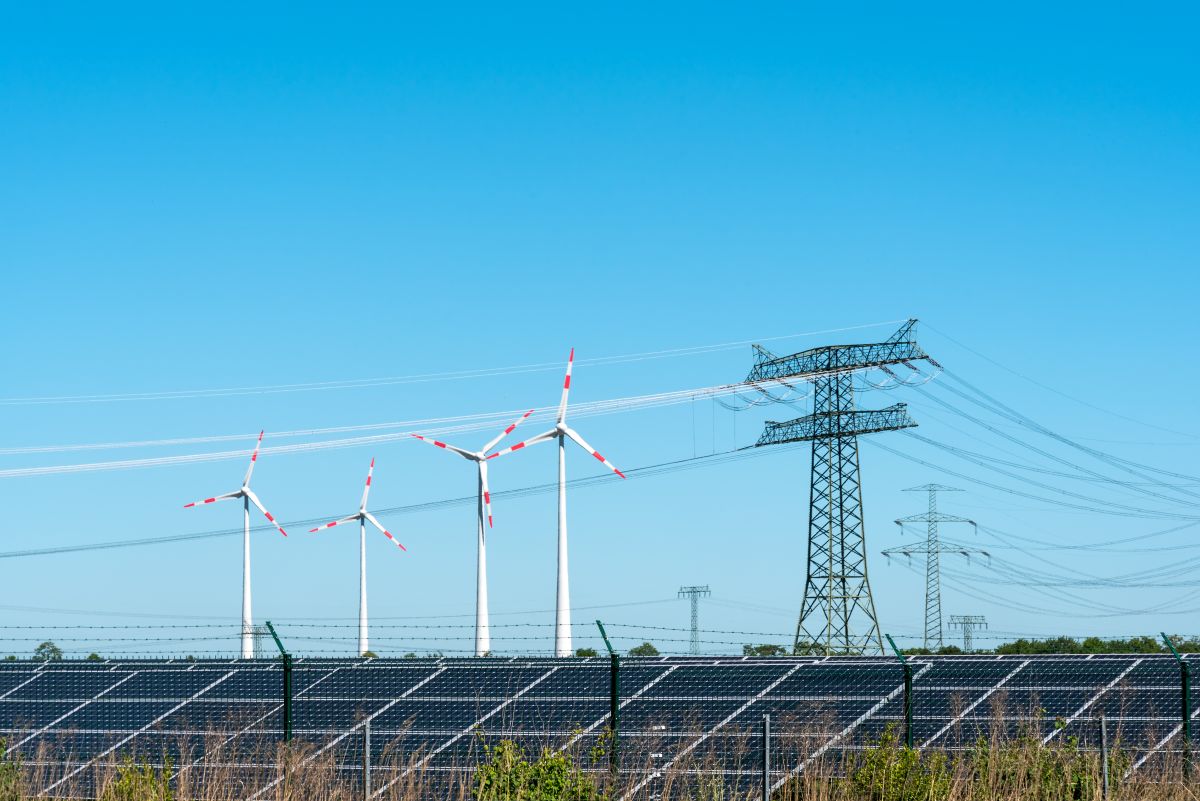
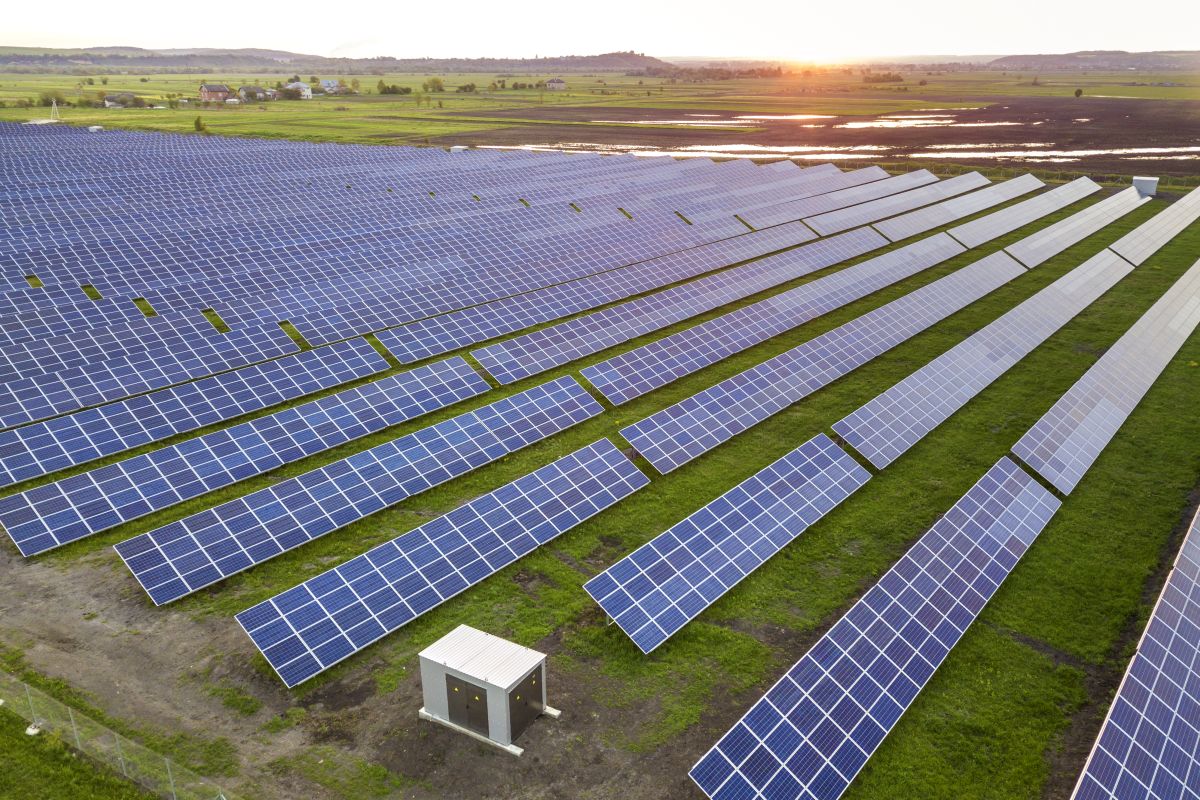
According to FERC Order 901, (issued Oct. 19, 2023) traditional reliability standards were designed for synchronous generation, and inverter-based technologies require updated performance expectations. The order directs NERC to develop new reliability standards and modify existing ones to address four primary areas. These areas include performance requirements, data sharing and model validation, planning and operational studies, and disturbance monitoring with post-event validation.
These requirements ensure that IBRs respond in a timely manner during grid disturbances, provide accurate operational data, and integrate effectively into planning and operational assessments, enhancing overall grid reliability.
IBR Registration Requirements
A significant compliance milestone is the registration of IBRs. By May 15, 2026, many owners and operators of previously unregistered grid-connected IBRs will now be required to register with NERC. Registration makes these resources subject to enforceable reliability standards and grants regulators insight into how IBRs impact grid operation. Entities should commence internal audits now to determine which facilities meet Category 2 material impact thresholds.
Related resource: Certrec provides expert guidance to help with IBR registration and NERC compliance.
Performance Requirements for IBRs
NERC has proposed new standards including PRC-028-1, PRC-029-1, and PRC-030-1 related to disturbance monitoring and frequency and voltage ride-through capabilities. IBRs must remain connected and support the grid during disturbances. To comply, operators need to review inverter control and protection settings, implement monitoring systems, and coordinate with system operators to validate performance. As phased implementation and enforcement for these standards rolls out, effective compliance will necessitate technical readiness with procedural measures to ensure IBRs meet dynamic performance requirements.
Model Validation and Data Sharing
Accurate models and validated operational data are critical to grid reliability. NERC has plans to update existing MOD standards as will as propose new standards requiring IBR owners provide high-fidelity models for planning and operational studies. Those models need to match performance and monitoring equipment to record operating data for post-incident performance reviews. System owners should establish robust modeling and validation workflows before May 15, 2026, to ensure both technical accuracy and regulatory compliance.
Compliance Documentation and Governance
Once registered, entities must demonstrate compliance through thorough documentation, including detailed procedures, event reports, and records of model validation and performance testing.
Auditability and holding of evidence are crucial, as regulators will need to verify clear evidence that each IBR satisfies relevant criteria. Performing internal or external compliance audits could also help with identifying gaps and making an effort to address faults and keep documentation practices in line with NERC targets.

Workforce Readiness and Training
IBR standards require interdisciplinary collaboration between engineers, operators, and compliance and regulatory staff. Ride-through requirements, model verification, data procurement, and reporting expectations must be well defined for the staff. Training and interdisciplinary collaboration are investments that enable teams to deploy and sustain compliance effectively. Early engagement with regional entities, RC/IROs, and planners clarifies interpretation standards and lowers risks associated with compliance.
Key Compliance Milestones
The ERO Enterprise is now implementing Phase 3 of the Work Plan Milestones by sending registration notification letters to identified candidates who own and operate IBRs that meet the Category 2 GO/GOP registry criteria, with the registration effective on May 15, 2026. NERC is expected to submit additional standards for planning and operational studies as part of its staged rollout through 2027 and beyond. Understanding these dates and synchronizing internal readiness planning is crucial to avoiding penalties as well as facilitating an efficient integration of IBRs onto the grid.
Conclusion
Proactive planning not only mitigates regulatory risk, but it also ensures a more reliable set of IBRs and sets resources up for success in an increasingly inverter-dominated grid. Getting ready for the new IBR compliance requirement in 2026 is both a regulatory mandate and an opportunity. Certrec provides expert guidance to help with IBR registration and full NERC compliance.
FAQs
1. Which IBRs must be synchronized when registered with NERC?
2. Why is PRC-029-1 crucial?
3. What documentation is needed to follow the rules?
4. How can utilities ready staff for IBR?
5. What if an IBR does not pass the new tests?
Disclaimer: Any opinions expressed in this blog do not necessarily reflect the opinions of Certrec. This content is meant for informational purposes only.