Skip to content



North America’s electric grid depends on a broad network of regional operators. These operators work under different technical, geographical, and environmental requirements. The North American Electric Reliability Corporation (NERC) oversees reliability across several large Interconnections, such as the Eastern, Western, and Texas Interconnections, and evaluates system performance within defined assessment areas managed by regional entities. It ensures that the Bulk Electric System (BES) can endure expected and unexpected disturbances. The ongoing energy transition brings new concerns to every region.
Eastern Interconnection:
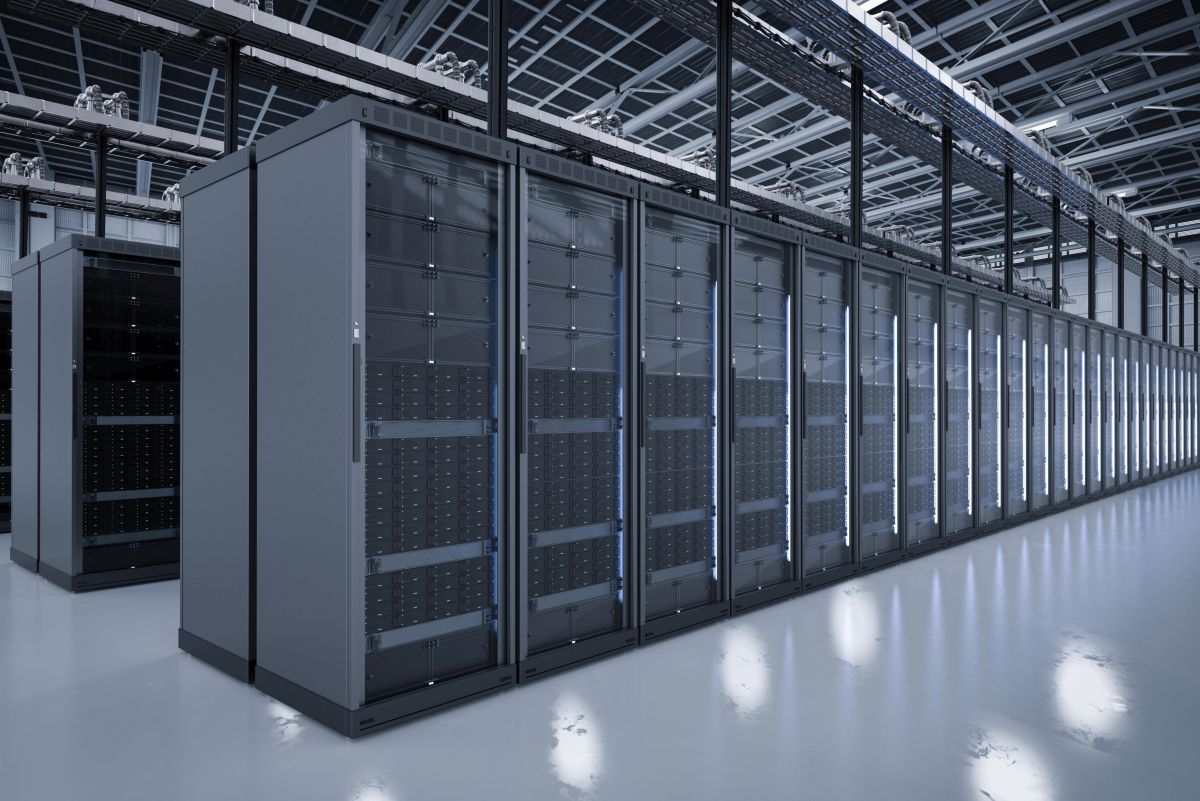
Within the Eastern Interconnection, entities such as the PJM Interconnection and regional reliability entities such as Reliability First Corporation oversee some of the most developed power systems. However, growing electricity demand from large data centers and rapid generator retirements are tightening reserve margins across the region.
Many traditional generation units are being retired faster than replacements are being bought online. NERC has expressed growing concern about resource adequacy and near-term reliability across the Eastern Interconnection. The rapid addition of large electrical loads and swift changes in consumption patterns create increased concerns. For resilience, the region must modernize its grid structure. New inverter-based resource integration can maintain flexible generation capacity to handle peak demand.
Texas Interconnection:
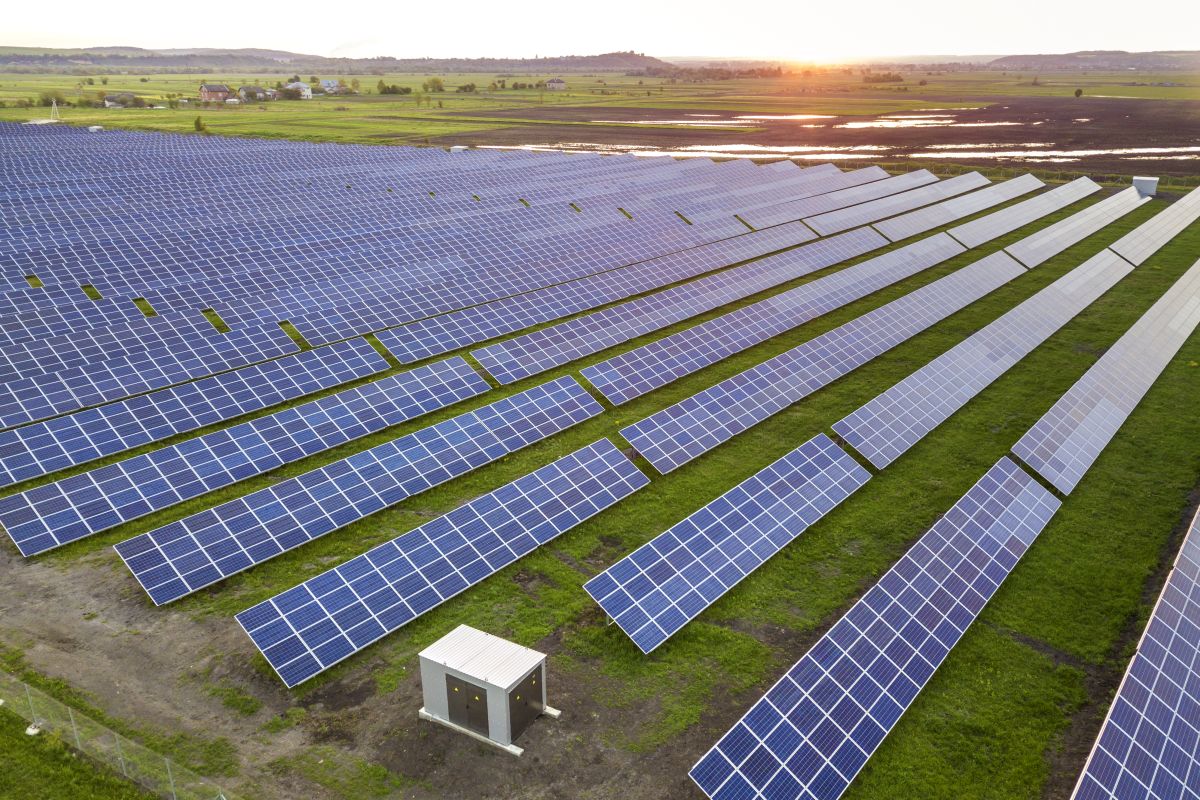
Texas has an independent system managed by the Electric Reliability Council of Texas (ERCOT). It has its own market design and reliability framework. Solar generation and battery storage have grown rapidly, supporting daytime power needs. Yet, reliability challenges arise during the “sunset dip.” It is when solar production drops and evening demand peaks.
NERC’s 2025 Summer Reliability Assessment report highlights risks for ERCOT. ERCOT remains vulnerable to tight operating conditions during extreme heat or when renewable output falls sharply. The retirement of dispatchable units has further narrowed the reserve margin. ERCOT focuses on strengthening operational reserves and expanding demand-response programs. These actions can mitigate risks and better balance the grid.
Midcontinent Region:
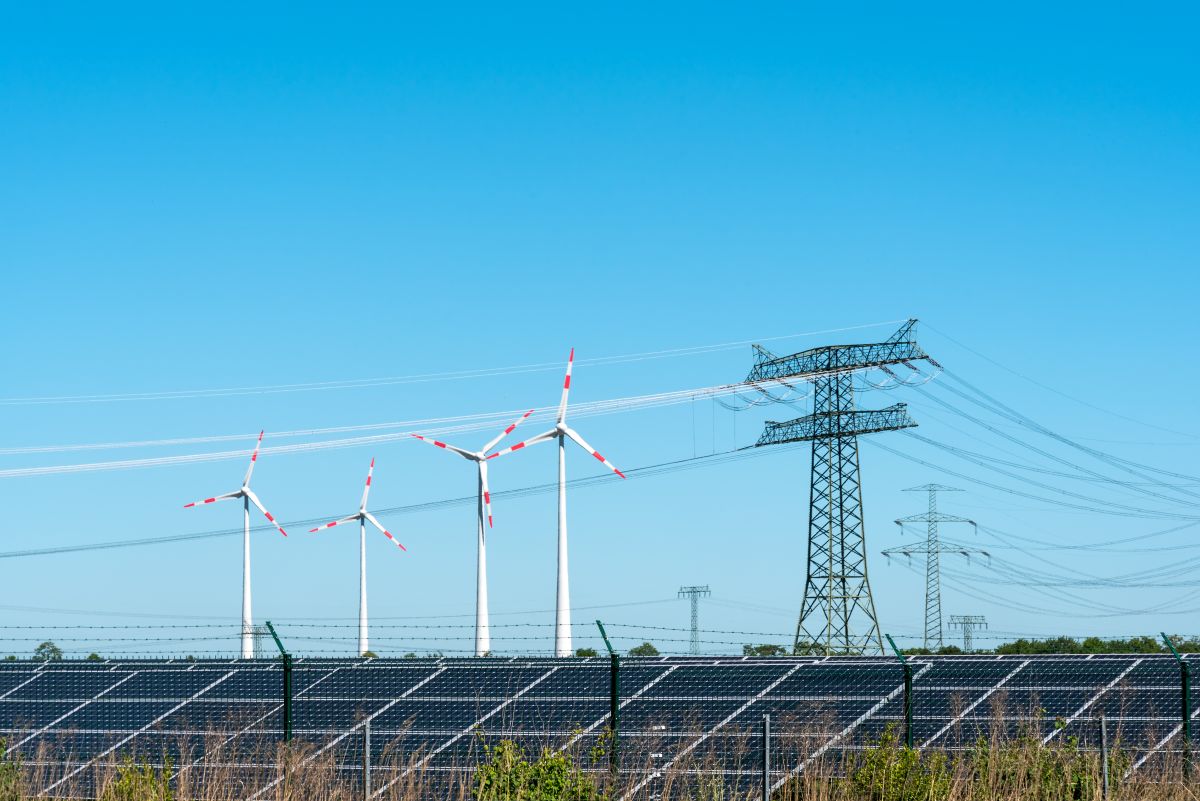
In the central U.S., grid operators such as Midcontinent Independent System Operator (MISO) and Southwest Power Pool (SPP) manage vast transmission networks within the Eastern Interconnection. This region faces significant reliability challenges. Thermal generation shutdowns have reduced system stability. Due to extreme reliance on wind and solar, the energy supply has become more variable.
Central North America could face inadequate reserves under certain conditions. NERC assessments show that this risk increases during heat waves or when transmission lines get constrained. Several factors are increasing operational complexity. These variations are bottlenecking at transmission and can result from shifting generation dispatch and changing load patterns. The solution to that issue will need new transmission investment and better forecasting.
Western Interconnection:
The Western Interconnection (covering much of the U.S. West plus parts of Canada/Mexico) is managed by the regional reliability entity Western Electricity Coordinating Council (WECC); the California Independent System Operator (CAISO) is a major operator within the region. This region faces both environmental and technological challenges. Heat, droughts, and wildfires are often associated with pushing power lines and generation units to their limits. This new dynamic grid is completely exposed as inverter-based systems and large battery systems expand. These technologies change how the system reacts to faults and disruptions.
NERC’s 2025 report notes that inverter-based resources respond differently to voltage and frequency changes compared to traditional generators. Low sunlight or transmission congestion can quickly add pressure to the grid. Sustaining reliability in the West requires flexible resource planning, strong voltage support, and steady investment in transmission expansion.
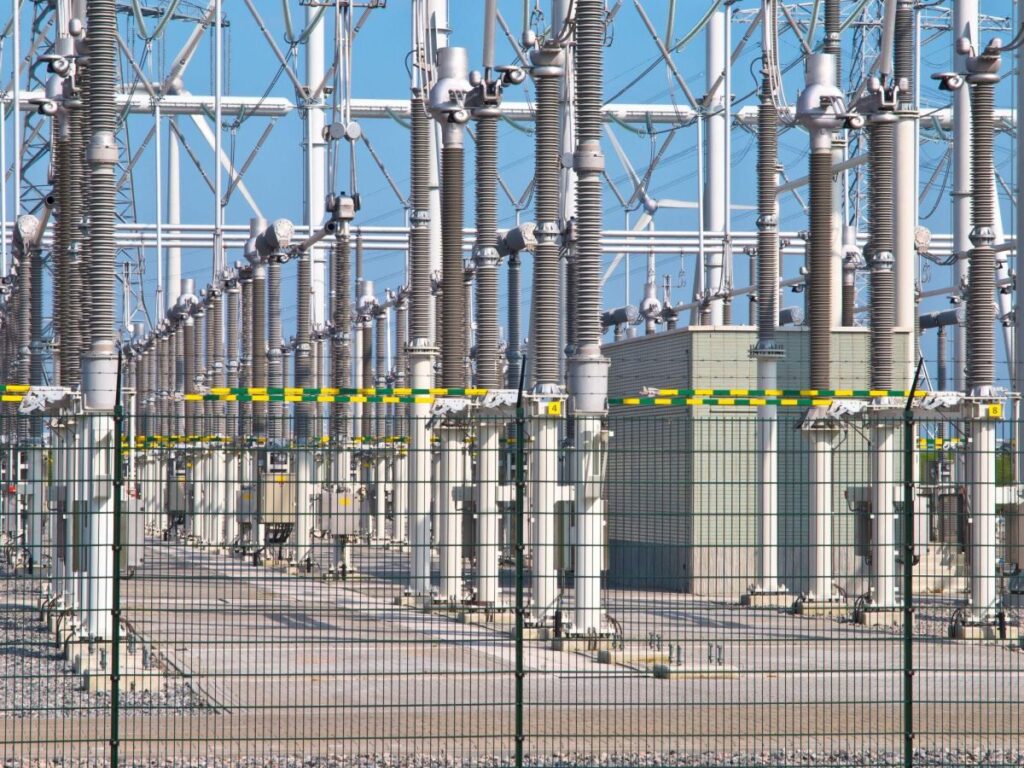
Cross-Regional Reliability Themes
Across NERC’s major regions, several shared reliability issues are emerging:
- Rising peak demand and concentrated industrial loads, such as data centers, are stressing the system. These demands exceed the limits of older planning models.
- Ongoing retirements of synchronous generation reduce system inertia and available reserves.
- The growing presence of inverter-based generation requires updated modeling and control strategies. Cold snaps, fires, and prolonged heat waves stress the program’s balance.
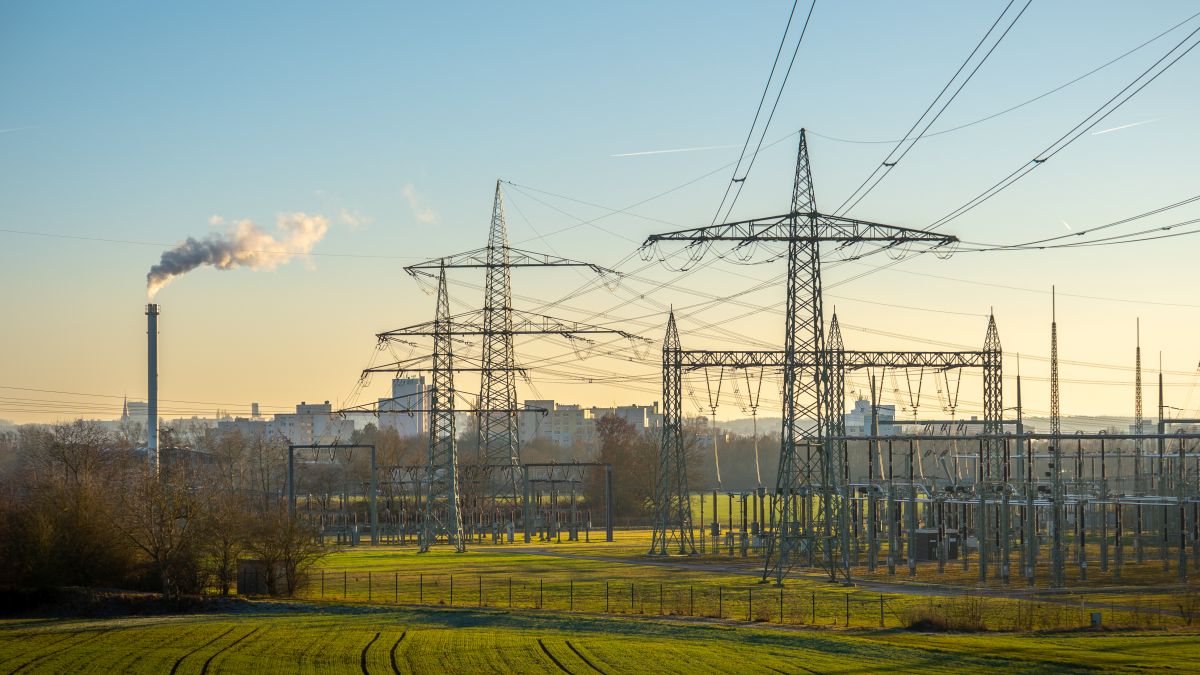
- Transmission congestion makes the system less adaptable to rising demand or contingency.
Conclusion
North America’s Bulk Power System maintains reliability. Yet keeping it reliable is becoming more difficult. Demand and energy resources are rising, the weather is erratic, and the system is becoming even more complex. Sustaining long-term reliability will need more than maintenance. It requires close coordination between regions and timely upgrades to vital infrastructure. Operators need flexible plans that can adjust as conditions change. Maintaining reliability now depends on adaptability, quick response, sound planning, and continuous insight.
FAQs
1. How much of North America’s electricity is managed under NERC oversight?
2. What percentage of U.S. power generation now comes from renewables?
3. How fast are traditional generation units retiring?
4. Which NERC region faces the highest risk of reserve shortages?
5. How large is the expected load growth from new data centers and electrification?
Disclaimer: Any opinions expressed in this blog do not necessarily reflect the opinions of Certrec. This content is meant for informational purposes only.