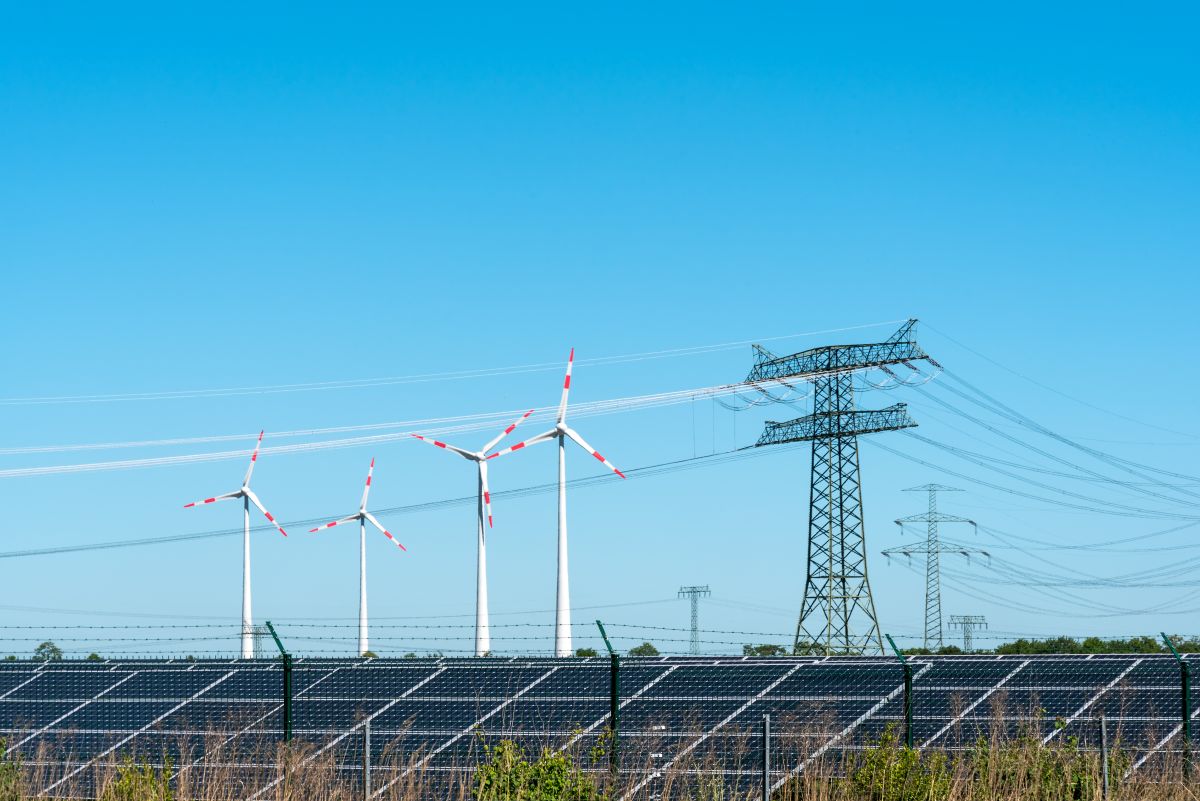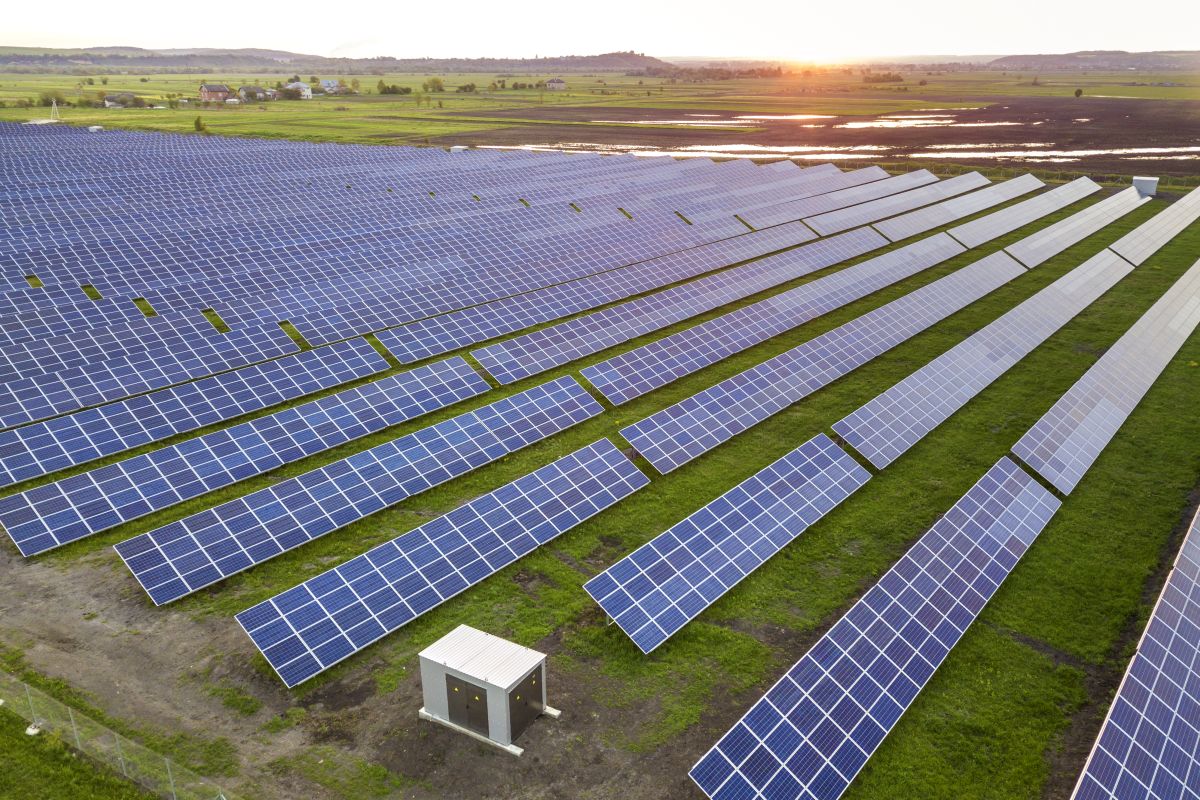


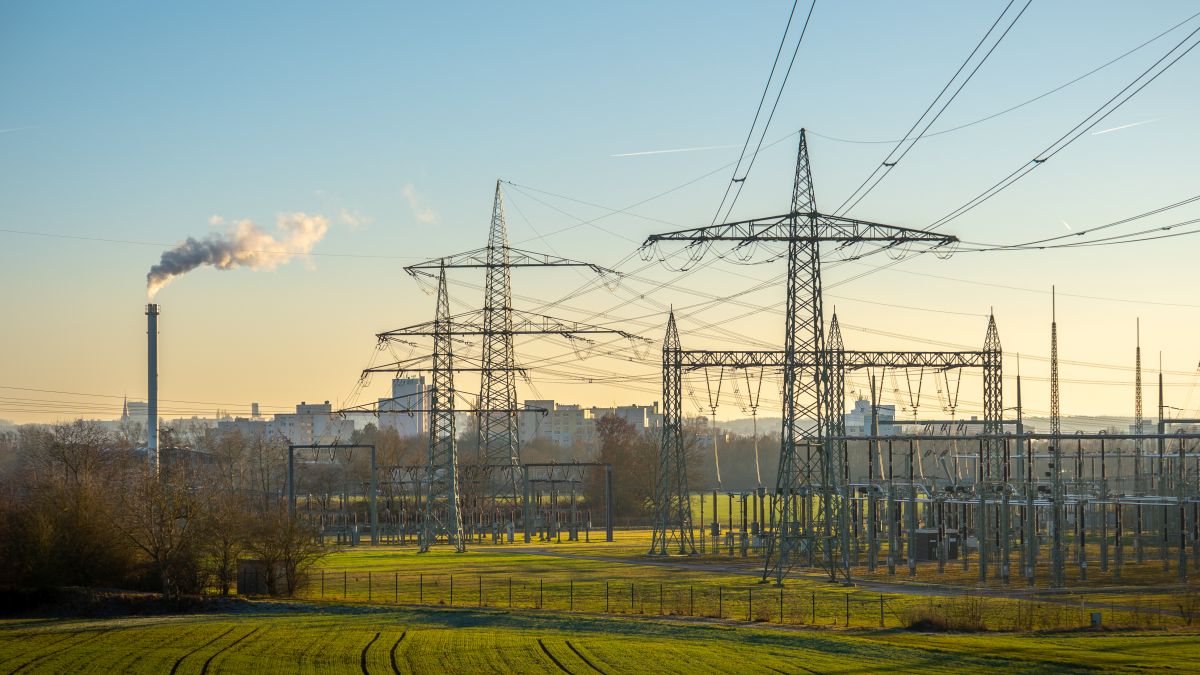
Protection systems are designed to save equipment during abnormal conditions. However, if protection trips too quickly (or at the wrong thresholds), it can disconnect generation during events the grid is supposed to ride through. That is what PRC-024-4 is built to prevent. It sets minimum ride-through requirements for certain frequency and voltage excursions to prevent protection settings on generation-related facilities from unintentionally tripping and worsening disturbances.
What is PRC-024-4?
During grid disturbances, system frequency can dip or rise, and transmission voltage can temporarily sag or swell. If a large share of generation trips occurs during these excursions, the Bulk Power System (BPS) can experience cascading reliability issues.
PRC-024-4 addresses this by defining “no trip zones” for:
- Frequency excursions (Attachment 1).
- Voltage excursions (Attachment 2 and Attachment 2A for Quebec).
Within these zones, applicable protection should not trip the facility, unless an exception applies.
Who Must Comply with PRC-024-4?
The standard applies to:
- Generator Owners that install protection systems on generating units.
- Transmission Owners that install protection systems on equipment directly connected to generators.
- Planning Coordinators who have coordination and documentation roles under specific requirements.
Facilities and Protection Functions (What is Covered)
The standard applies to frequency, voltage, and volts-per-hertz protection that:
- Responds to electrical signals.
- Directly trips the resource or sends a trip signal.
- Applies to specific parts of the generating facility (for example, synchronous generators, generator step-up transformers, unit auxiliary transformer high-side, and certain wind resource aggregation elements).
A key point is that PRC-024-4 does not instruct the installation of new protection. It ensures that, if these protections are in service, the settings must not trigger within the defined ride-through boundaries.
Four Core Compliance Requirements
Protection systems must be set to avoid tripping within specified “no trip zones” during frequency excursions, unless there’s documented equipment or a regulatory limitation.
R1: Frequency Protection Settings Must Stay Out of the No-Trip Zone
Each applicable Generator Owner and Transmission Owner must set applicable frequency protection so it does not trip within the Attachment 1 ‘no trip zone’ for the relevant interconnection.
Exception: You may set a trip within part of the “no trip zone” only when there are documented and communicated regulatory or equipment limitations, handled under R3. Protection settings must be such that the generating unit does not trip for frequency events within a defined “no trip” range.
R2: Voltage Protection Settings Must Stay Out of the “No Trip Zone”
Each applicable Generator Owner and Transmission Owner must set the applicable voltage protection so that it does not trip within the Attachment 2 “no trip zone” during a voltage excursion at the high side of the Generator Step-Up transformer (GSU) or Main Power Transformer (MPT).
Two important allowances exist:
- If a Transmission Planner has a location-specific study that supports less stringent settings, entities may coordinate to set protection within those voltage recovery characteristics.
- Documented and communicated regulatory or equipment limitations can justify exceptions under R3.
R3: Document and Communicate Limitations That Prevent Meeting R1 or R2
If a unit cannot meet the “no trip zone” setting criteria due to known regulatory or equipment limitations, the entity must:
- Document the limitation (examples include study results, event experience, or manufacturer advice).
- Communicate the limitation (or its removal) to the Planning Coordinator and Transmission Planner within 30 calendar days of identification or relevant change events.
This requirement is where many compliance programs succeed or fail because it is not enough. PRC-024-4 expects proof, traceability, and timely communication.
R4: Provide Protection Settings When Requested (And After Changes)
Entities must provide applicable protection settings to the Planning Coordinator or Transmission Planner that models the facility:
- Within 60 calendar days of a written request.
- Within 60 calendar days of any change to previously requested settings (unless the requester says changes do not need to be reported).
What Changes in the Quebec Interconnection Variance?
PRC-024-4 includes a regional variance for the Quebec Interconnection that:
- Replaces continent-wide R2 with a Quebec-specific voltage requirement (Attachment 2A), and
- Adds a Planning Coordinator requirement to designate “strategic power plants” at least once every five years and notify owners within 30 days.
If you have assets in Quebec, this is not a minor footnote. It changes voltage boundaries and introduces an additional planning and notification obligation.
Evidence and Audit Readiness: What You Should Keep
PRC-024-4 is evidence-driven. The standard expects proof such as:
- Dated setting sheets, calibration records, and calculations
- Voltage-time boundaries, coordination plots, or dynamic simulation studies
- Dated emails or letters documenting communicated limitations and providing the requested settings
Practical Compliance Workflow
The standard’s purpose is to make sure protection for synchronous generators, certain wind resources (Type 1 and Type 2), and synchronous condensers does not cause tripping during defined frequency and voltage excursions, because ride-through supports the reliability of the Bulk Power System.
Here is a simple way to operationalize PRC-024-4 without overcomplicating it:
1. Inventory Applicable Protections
Frequency, voltage, and volts-per-hertz functions that can trip the resource or send a trip signal.
2. Identify the Measurement Point
Confirm whether the relay measures at the generator terminals, collector bus, transformer high-side, or another location.
3. Map Settings to the Correct No-Trip Boundary
Use the correct frequency interconnection boundary and the correct voltage boundary set.
4. Validate Ride-Through Using a Study or Calculation
If the measurement is not at the high side of the GSU/MPT, model the voltage difference using steady-state or dynamic simulation.
5. Address Limitations Immediately
If a unit cannot comply due to equipment or regulatory constraints, document and communicate the limitation per R3.
6. Build a “settings response package.”
So R4 requests can be answered quickly with consistent, audit-ready documentation.
Why PRC-024-4 Matters for Reliability and for Compliance Teams?
PRC-024-4 is one of the standards where reliability and compliance align cleanly:
- Reliability improves when the generation stays online through defined disturbances.
- Compliance improves when settings are controlled, repeatable, and well-documented.
If the team treats PRC-024-4 as a one-time relay check, then they risk missing the operational reality. For example, units, relay settings, and studies change, and planners may request data on short notice. A lightweight but disciplined process is the best long-term approach.
Conclusion
Under PRC-02-4, the focus is on how protection systems behave during frequency and voltage changes in the grid. PRC-024-4 ensures that the protection of synchronous generators, Type 1 and Type 2 wind resources, and synchronous condensers does not cause tripping during defined frequency and voltage excursions in support of the BPS.
FAQs
1. What is the Compliance Monitoring and Enforcement Program?
2. What evidence is required for Frequency Protection?
3. What are the frequency and voltage protection settings?
4. What are the functional entities, and who must comply?
5. What are the PRC-024-4 requirements for frequency and voltage protection settings in synchronous generators?
Disclaimer: Any opinions expressed in this blog do not necessarily reflect the opinions of Certrec. This content is meant for informational purposes only.