Skip to content


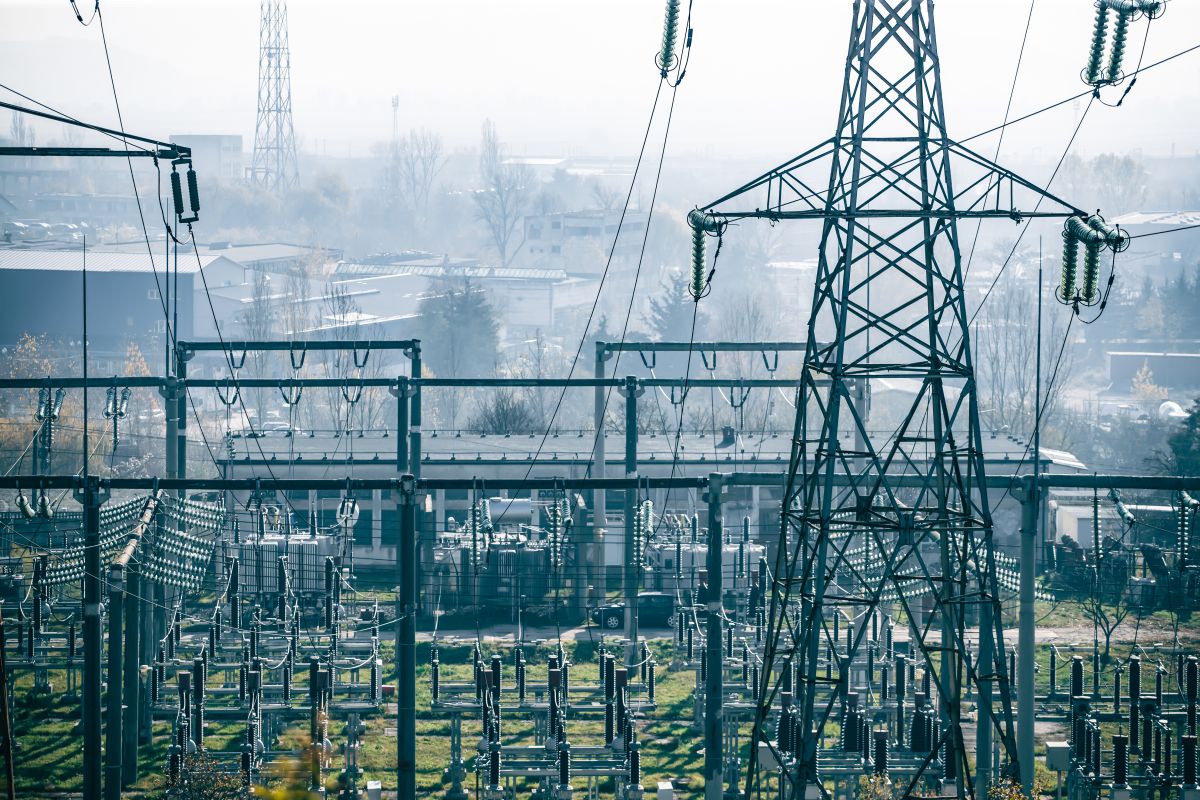
The U.S. electricity market is poised for significant changes driven by rising demand, the rapid expansion of renewable energy, and increasing pressure on the grid. Advances in artificial intelligence, the growth of data centers, and the electrification of the transportation sector are reshaping how electricity is consumed and managed across the country.
This blog highlights the U.S. electricity market outlook for 2026, in which electricity demand is increasing rapidly while renewables expand more quickly, making the grid more complex to manage.
Rising Electricity Demand
Significant growth in electricity demand is expected in the commercial sector due to the expansion of major computing facilities in the U.S. Rapid electrification and new technologies are reshaping electricity consumption, increasing the need for a more flexible, resilient, and modern grid. Total electricity consumption is expected to surpass 4,200 billion kWh in 2026. This is driven by economic growth and increasing electrification across transport, buildings, and industry.
Growth in Renewable Energy
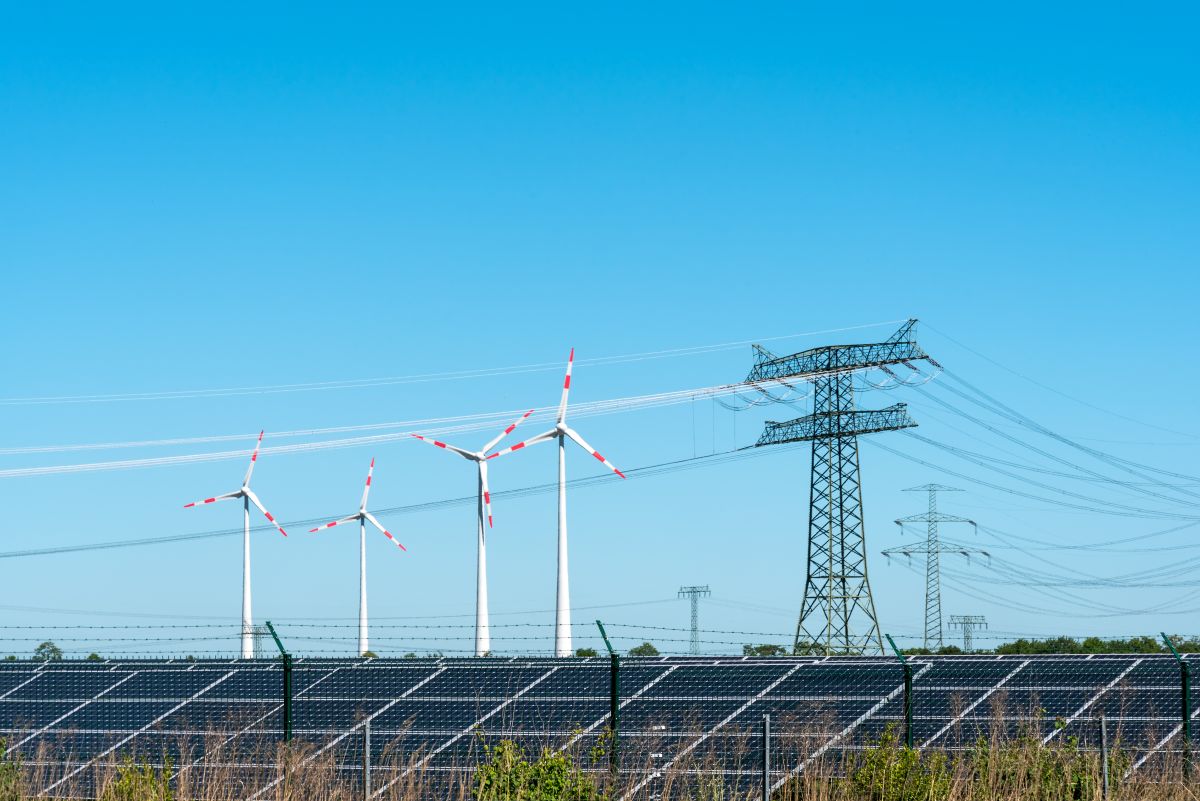
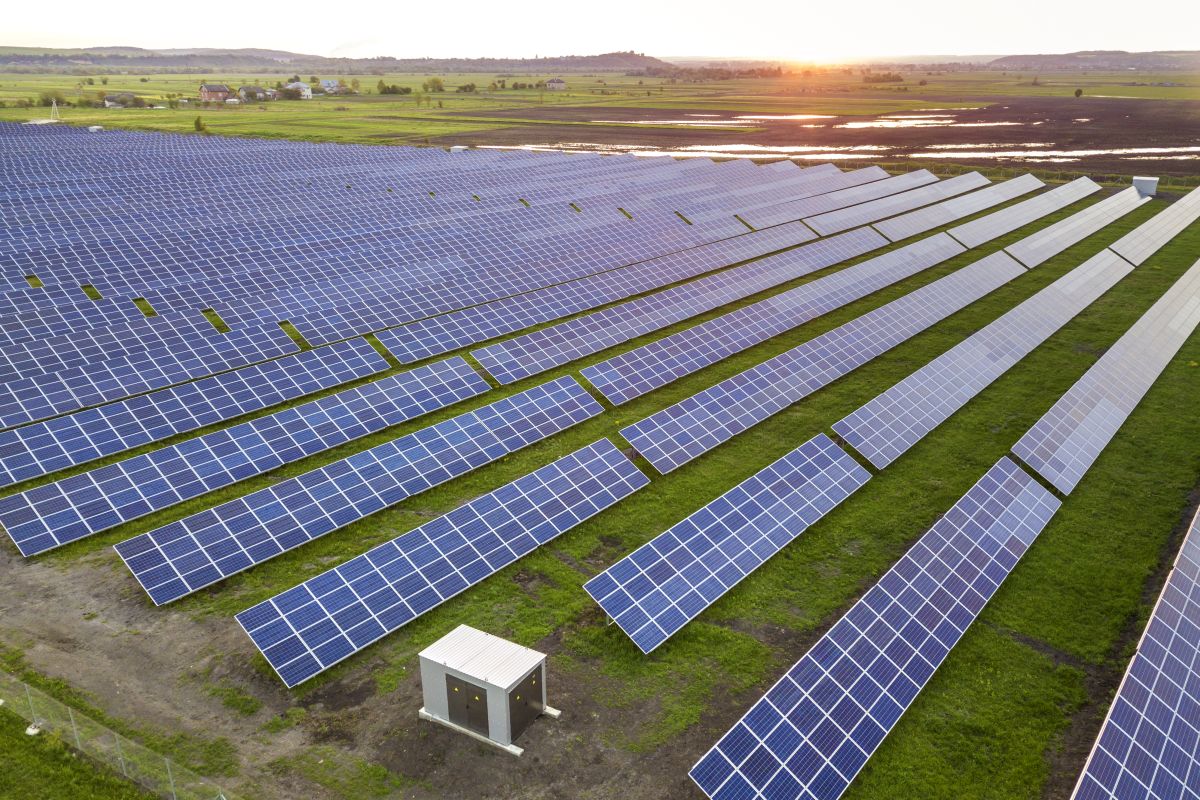
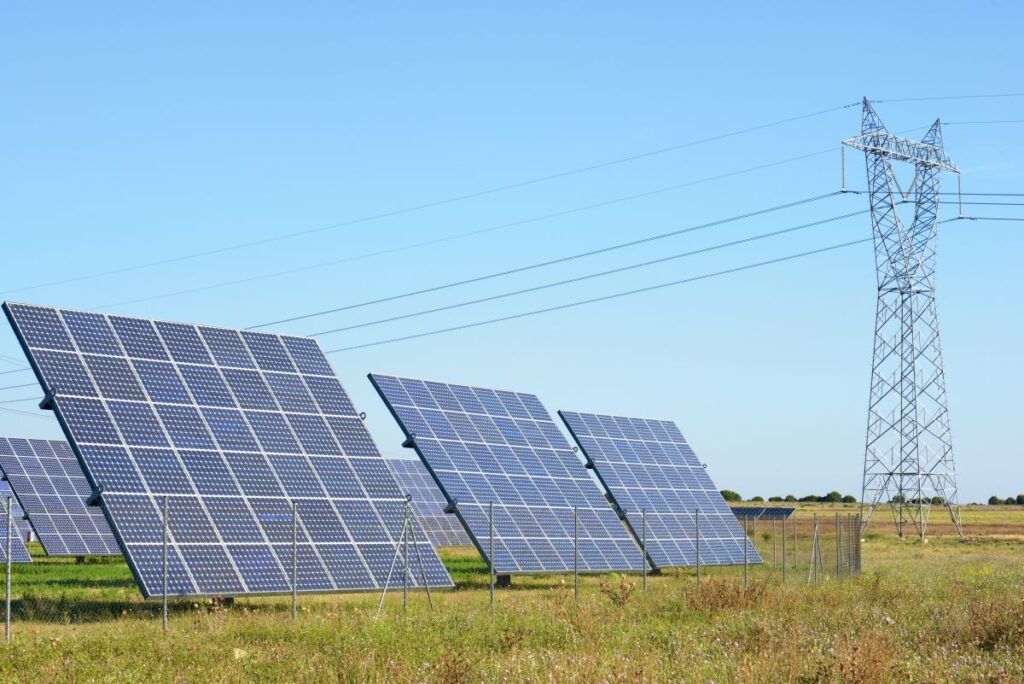
Renewable energy is now the second-largest source in the U.S. electricity mix, following natural gas. Wind is the leading renewable source, while solar is the fastest-growing. Together, renewables account for nearly a quarter of U.S. electricity generation.
These technologies are transforming power generation, even as natural gas remains essential for maintaining grid stability during the energy transition. Coal plant retirements are primarily being replaced by a mix of natural gas, renewables, and increasingly battery systems that store excess important of renewable energy and release it during peak demand. Federal incentives, declining technology costs, and strong corporate interest in clean energy are further accelerating renewable growth.
Role of Natural Gas and Fossil Fuels
Despite rapid renewable expansion, natural gas is expected to remain the largest source of electricity in the U.S. Its dispatchable power is crucial for balancing the variability of wind and solar output, particularly during peak demand periods or adverse weather conditions.
As the energy transition advances, the role of fossil fuels is evolving. Coal is increasingly scrutinized due to emissions concerns and shifting policies, while natural gas continues to underpin grid reliability. Market dynamics such as fuel prices and regulatory developments will influence the sector’s future reliance on natural gas.
Role of Nuclear Energy
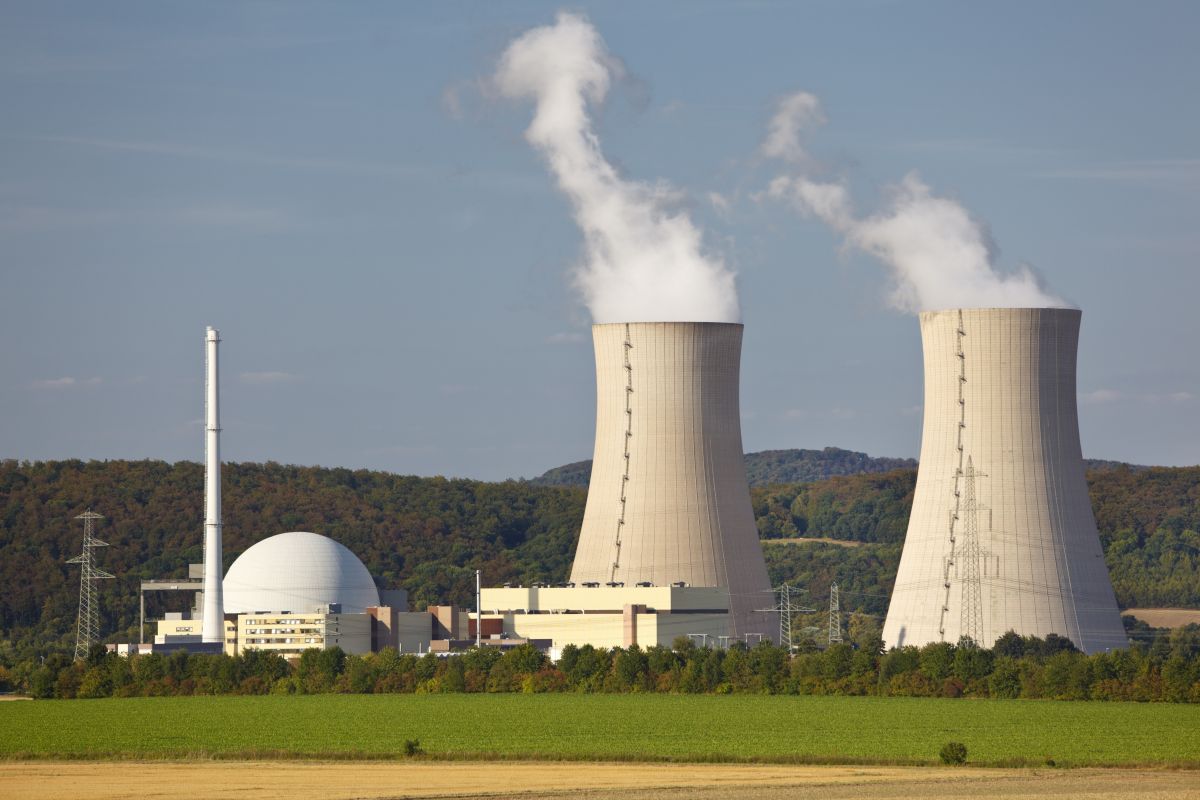
Nuclear power provides consistent baseload electricity, supporting both grid reliability and emissions-reduction goals. Its share of U.S. generation remains stable at around 18%. Still, investments in life extensions of existing plants and the emergence of technologies like small modular reactors raise questions about nuclear energy’s future role. However, its long-term role will depend on policy support, economics, and deployment of next-generation technologies.
Investment and Infrastructure Development
Utilities, private equity companies, and infrastructure funds are all investing heavily in the energy sector transition. Because of the expected long-term increase in power consumption, investors are increasingly seeing electric infrastructure as a strategic industry.
To meet the rising power demands of electrified sectors and digital infrastructure, major utilities are planning significant capacity expansions. Utilities have already been driven to accelerate new power generation initiatives and increase grid capacity by the fast growth of data centers.
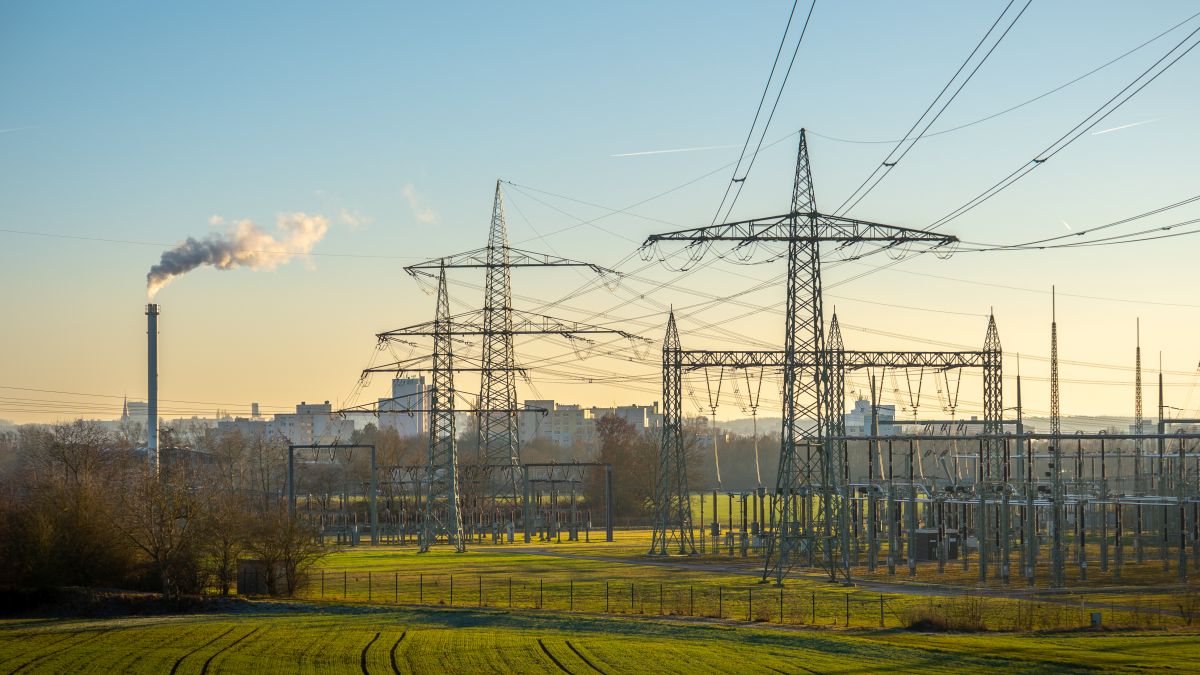
Concurrently, grid renovation and transmission infrastructure have become top priorities.
Conclusion
The U.S. electricity market in 2026 will be defined not just by growth, but by complexity. Rising demand from data centers and electrification is colliding with a rapidly changing generation mix, placing unprecedented pressure on grid infrastructure.
Successfully navigating this transition requires accelerated investment in transmission, greater deployment of flexible resources like storage and natural gas, and coordinated action across utilities, regulators, and investors. The ability to balance reliability, affordability, and sustainability will ultimately determine how effectively the U.S. power system adapts to this new era.
FAQs
1. What are the key drivers of the U.S. electricity market in 2026?
2. How is renewable energy expected to impact the U.S. electricity market in 2026?
3. Will electricity demand increase in the U.S. by 2026?
4. What challenges could affect the U.S. electricity market in 2026?
5. How are utilities preparing for the future electricity market?
Disclaimer: Any opinions expressed in this blog do not necessarily reflect the opinions of Certrec. This content is meant for informational purposes only.