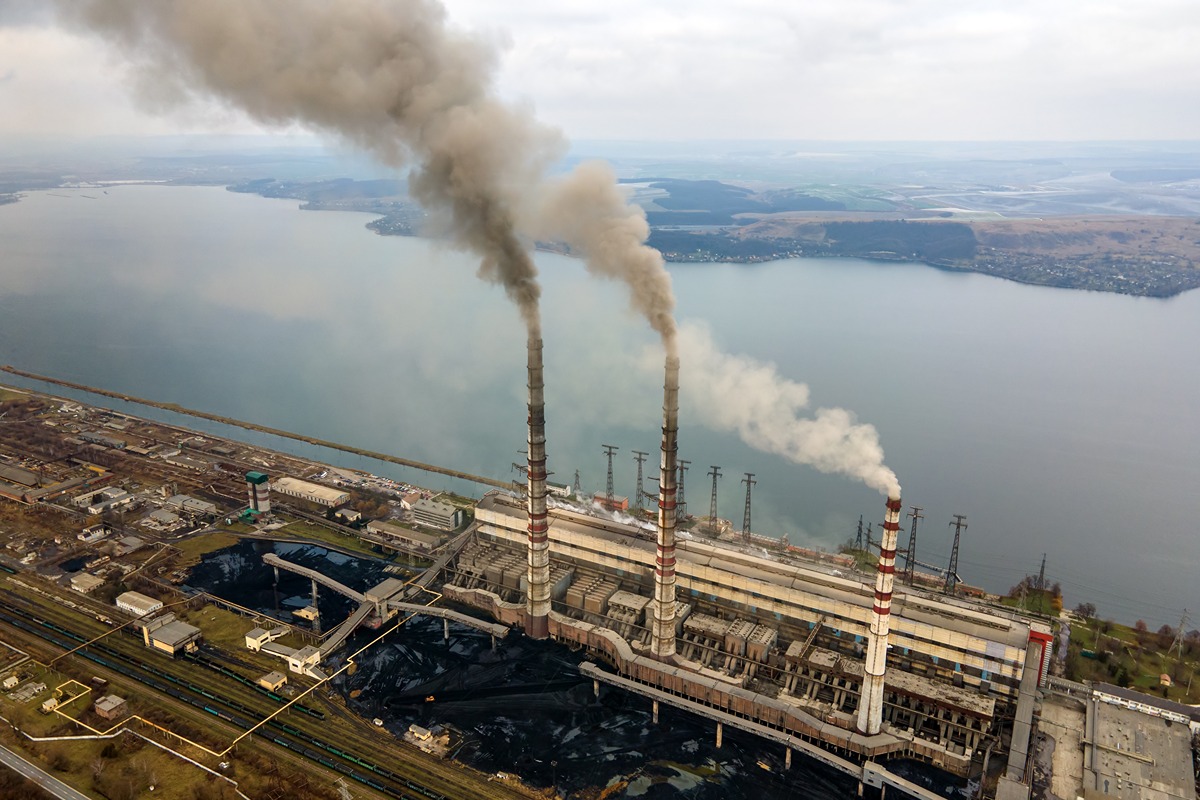


The Environmental Protection Agency (EPA) on Friday announced a final rule rolling back the Biden administration’s 2024 updates to the Mercury and Air Toxics Standards (MATS), reverting compliance for coal- and oil-fired power plants to requirements first issued in 2012 and later reviewed during the Trump administration.
The action, announced during an event at the Mill Creek power plant in Kentucky, is the latest move by the Trump administration to ease environmental rules on coal units it argues are needed for reliability as U.S. electricity demand rises.
EPA Administrator Lee Zeldin said the agency would again rely on the existing MATS framework, calling the 2012 rule “fully protective” and describing the 2024 revisions as unnecessary and costly. The agency said the repeal would avoid requirements added in 2024 for a tighter filterable particulate matter standard, a revised mercury standard for lignite-fired units, and a mandate that plants use particulate matter continuous emissions monitoring systems to demonstrate compliance.
The Biden-era revisions were part of EPA’s periodic “residual risk and technology review” of MATS, which the agency finalized in spring 2024. In that action, EPA tightened certain limits and required new monitoring, saying it reflected updated practices and control capabilities across the fleet.
For coal plant operators, the decision changes the compliance target back to the long-running 2012 baseline: a standard that drove widespread installation of scrubbers, activated carbon injection and other controls across the industry. The 2024 revisions were designed to push further reductions, particularly for certain subcategories of plants and pollutants, including through enhanced monitoring and tighter particulate-related limits.
The Trump EPA has framed the reversal as a cost-and-reliability decision. EPA claimed Friday the repeal would save an estimated $670 million in compliance costs – savings it argued would flow through to consumers – while maintaining a rule it says has already delivered sharp reductions in hazardous air pollutants since 2012.
Environmental and public health groups, however, warned the change will increase exposure to mercury and other toxic pollutants – including metals such as arsenic, lead and nickel – particularly in communities near power plants. Coal-fired power plants are the largest single human source of mercury pollutants.
Environmental groups said the 2024 tightened rules have saved lives and made communities that live near coal-fired power plants healthier. But industry groups argued that the tougher standards, along with other rules that limited emissions from coal plants, made operating them too expensive.
They accused the Biden administration of piling on so many requirements that it would drive a rush of plant retirements.
“The reliability of the electric grid is in a better place because of the administration’s swift repeal of this rule. As crafted, the rule would have dealt a crippling blow to power plants that are essential to maintaining grid reliability,” said Jim Matheson, CEO of the National Rural Electric Cooperative Association.