


On January 29, 2026, the Department of the Treasury’s Office of Foreign Assets Control (“OFAC”) issued new General License No. 46 (“GL 46”) authorizing transactions related to the exportation/reexportation of Venezuelan oil prohibited under the Venezuela Sanctions Regulations, 31 C.F.R. Part 591. Our blog posts about recent developments under US sanctions targeting Venezuela can be found here, here, here, and here.
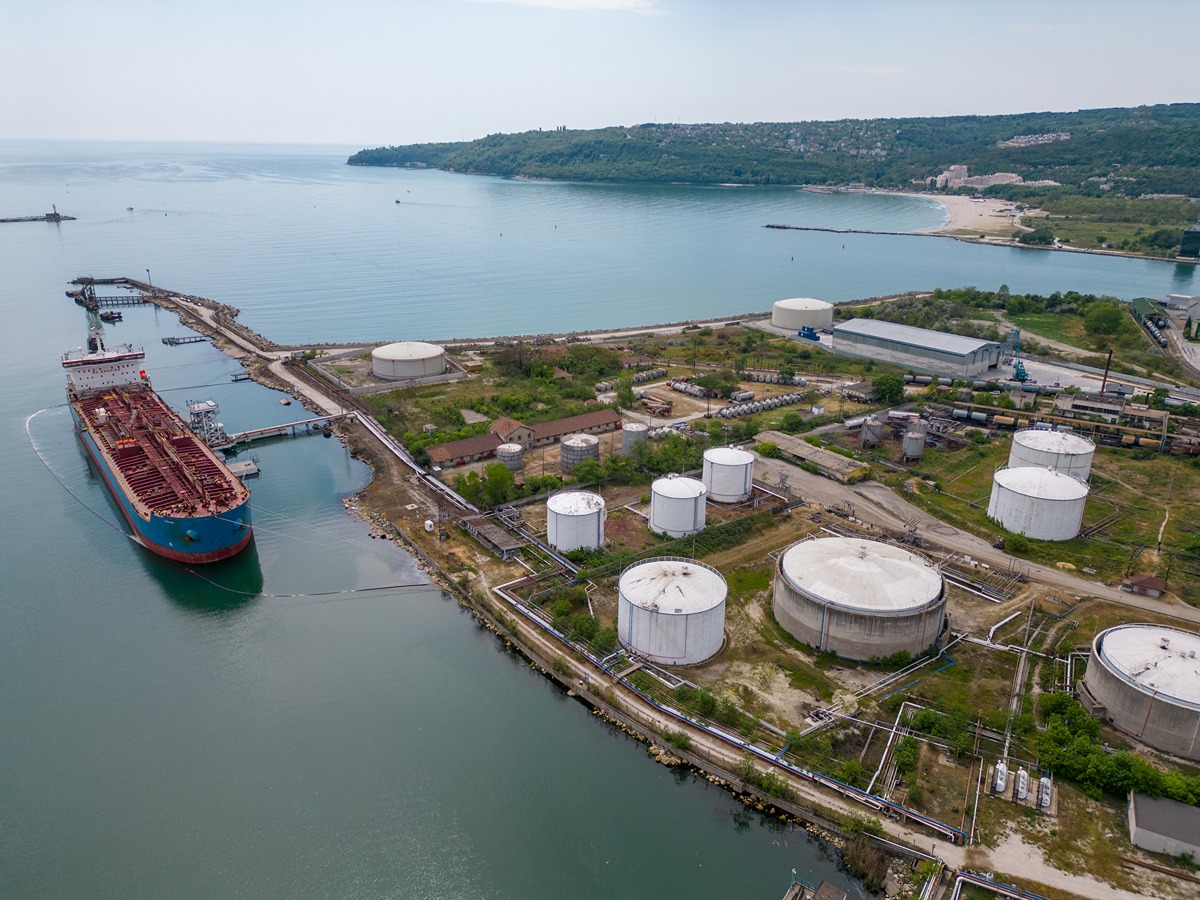
Subject to certain conditions, GL 46 authorizes all transactions involving the Government of Venezuela (the “GOV”), Petroleos de Venezuela, S.A. (“PdVSA”), or any entity in which PdVSA owns, directly or indirectly, a 50% or greater interest, (“PdVSA Entities”) that are “ordinarily incident and necessary to the lifting, exportation, reexportation, sale, resale, supply, storage, marketing, purchase, delivery, or transportation of Venezuelan-origin oil, including the refining of such oil, by an established US entity.” The general license covers the arrangement of:
- shipping and logistics services, including chartering vessels, obtaining marine insurance and protection and indemnity (P&I) coverage, and
- port and terminal services, including with port authorities or terminal operators that are part of the GOV.
GL 46 provides that an “established US entity” includes “any entity organized under the laws of the United States or any jurisdiction within the United States on or before January 29, 2025.”
The general license requires that transactions with the GOV, PdVSA, or PdVSA Entities involving Venezuelan-origin oil provide that contracts specify that (1) the laws of the United States or any jurisdiction within the United States govern the contract and (2) any dispute resolution under the contract occur in the United States. Companies implementing these requirements should consult with Venezuelan counsel to align with local law.
With respect to payments, GL 46:
- authorizes “commercially reasonable payments in the form of swaps of crude oil, diluents, or refined petroleum products” while at the same time prohibiting “payment terms that are not commercially reasonable, involve debt swaps or payments in gold, or are denominated in digital currency, digital coin, or digital tokens issued by, for, or on behalf of the Government of Venezuela, including the petro;”
- authorizes payments from the GOV, PdVSA, or PdVSA Entities; and
- requires payments to the GOV, PdVSA, or PdVSA Entities to be made into the Foreign Government Deposit Funds accounts discussed in our previous blog post here or any other account as instructed by the US Treasury Department.
There is no expiration date for GL 46, but it can be revoked at any time by OFAC. Parties reselling Venezuelan oil to non-US destinations are required to report such transactions to the US State and Energy Departments. Companies needing to ship equipment to Venezuela for transactions authorized by GL 46 should also ensure such shipments comply with applicable export controls. In particular, some equipment might require separate licenses from the Bureau of Industry and Security in the US Commerce Department.
OFAC has not yet issued public guidance about GL 46. There are some issues that would benefit from such guidance, including whether non-US entities affiliated with “established US entities” and their US-Person employees are covered by this authorization.
There are a few noteworthy limitations to GL 46, among others:
- It does not authorize the involvement of certain categories of parties connected to Russia, Iran, North Korea, Cuba, or China. Specifically, it excludes any parties in Russia, Iran, North Korea, Cuba; joint ventures owned or controlled by those parties; Venezuelan or US entities owned or controlled by a party in China; or joint ventures owned or controlled by a party in China.
- It does not authorize US Persons to invest in Venezuelan oil field projects or US oil field services companies that would provide critical services for such projects.
- It does not address the gas or petrochemical sectors in Venezuela.
As US policy regarding Venezuela continues to develop, it is possible that OFAC may issue additional general licenses to go beyond GL 46’s current scope. We are closely monitoring these developments and will continue to provide updates to this blog as and when new actions are taken.