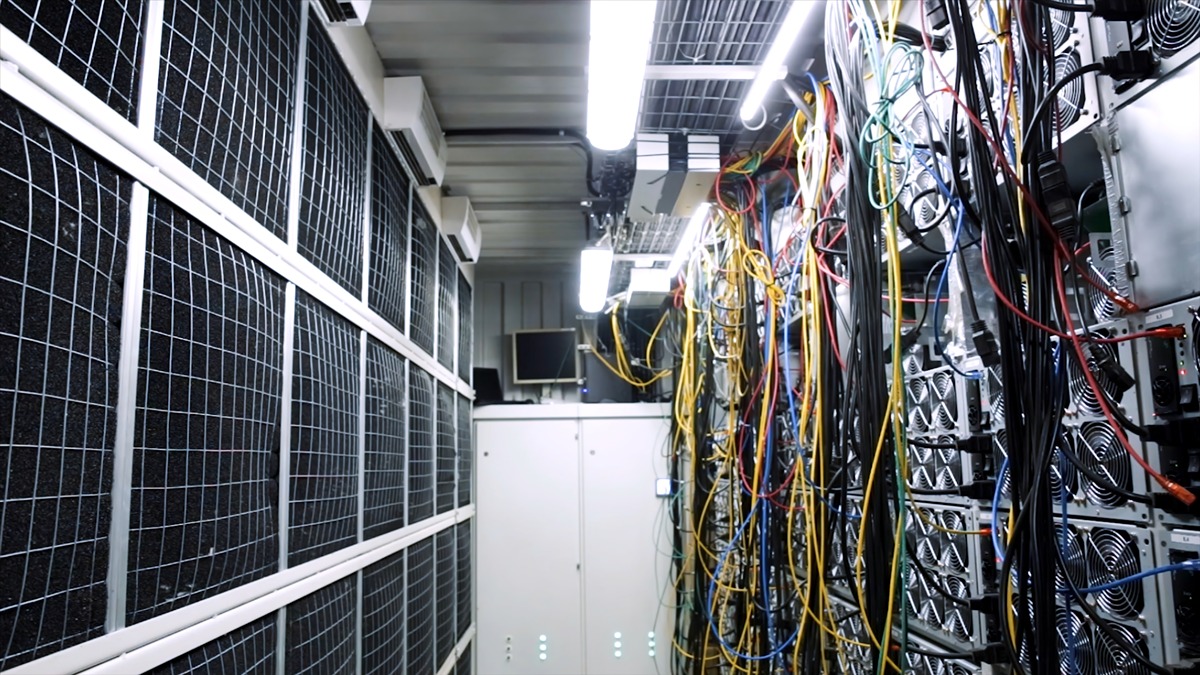



More than 50 GW of data center capacity was operating in the U.S. at the end of 2025, representing 24% compound annual growth since 2020, according to the Federal Energy Regulatory Commission.
The Midcontinent Independent System Operator region, with 43% compound annual growth, saw the most rapid data center development in that period, FERC staff said in the 2025 State of the Markets report, released March 19.
The other fastest-growing regions are the Electric Reliability Council of Texas, the Southwest Power Pool, and the Southeast, with annual growth rates ranging from 28% to 30%, according to the report.
About 5,995 MW of data center capacity was being built at the end of 2025, down from 6,350 MW in 2024, CBRE said in a Feb. 25 report.
The real estate firm expects fewer data centers to be built this year compared with 2025. “Many planned projects remain delayed due to ongoing permitting, zoning, and power procurement hurdles,” CBRE said.
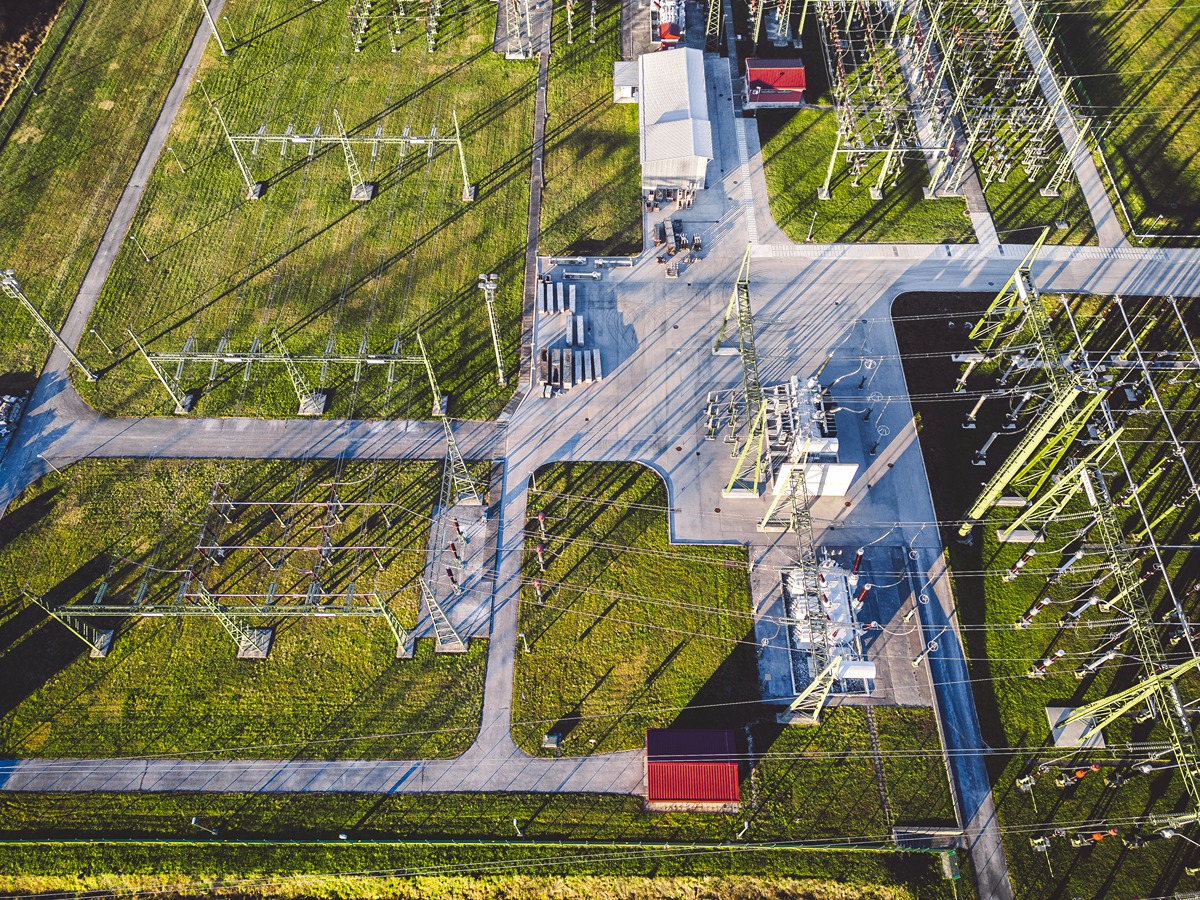
Data centers are increasing in size from an average of 25 MW in 2020 to nearly 80 MW for those coming online last year, FERC staff noted. “Facilities this large might need new generation or transmission infrastructure to reliably interconnect, making it important for planners to have accurate forecasts of when, and if, a facility will enter service,” staff said.
While demand is growing, electricity prices are rising. Average electricity prices at U.S. trading hubs jumped 25% last year, led by increases in New York and New England, according to the report. “Higher fuel costs, increasing demand, and tightening supply conditions largely drove these price increases,” staff said in the report.
At FERC’s open meeting last week, agency staff said the most effective way to drive down electric prices is by adding generation to the system and building transmission in congested areas. More pipeline and storage capacity could reduce gas prices, they said.
With weather-driven increases in heating and cooling demand, the U.S. used nearly 4,230 TWh last year, up 2.3% from 2024, according to FERC. The largest increase was in ERCOT at 5.2%, followed by SPP at 3.7% and the PJM Interconnection at 3.5%.
Residential electricity sales grew 2.2%, commercial sales climbed 2.4%, and industrial sales increased 1.6% from 2024 to 2025. Transportation sector sales were flat, according to the report.
Net U.S. power production grew 3% last year, to 4,275 TWh, from 2024 levels, FERC staff said.
Battery storage developers brought 41 GW online between 2020 and 2025, with annual storage additions growing from 584 MW in 2020 to 15.2 GW in 2025, according to the report. About 39% of capacity growth occurred in California and 32% in ERCOT.
Looking ahead at potential future generations, active projects in generator interconnection queues across the U.S. fell to 2,130 GW in 2025 from a 2023 peak, according to the report. Solar, stand-alone storage, and hybrid storage projects totaled 74% of nationwide interconnection queue capacity at the end of 2025. However, gas-fired generation and storage capacity made up 55% of the capacity that entered the queue in 2025.