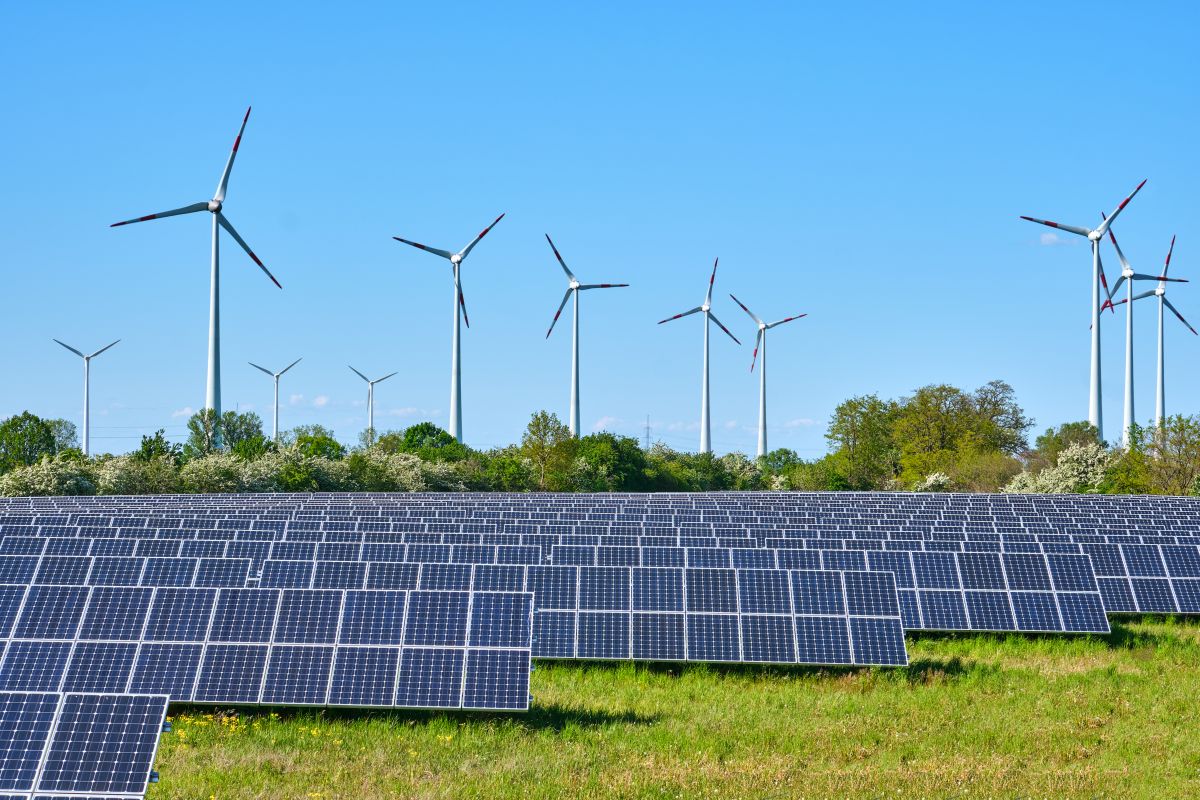


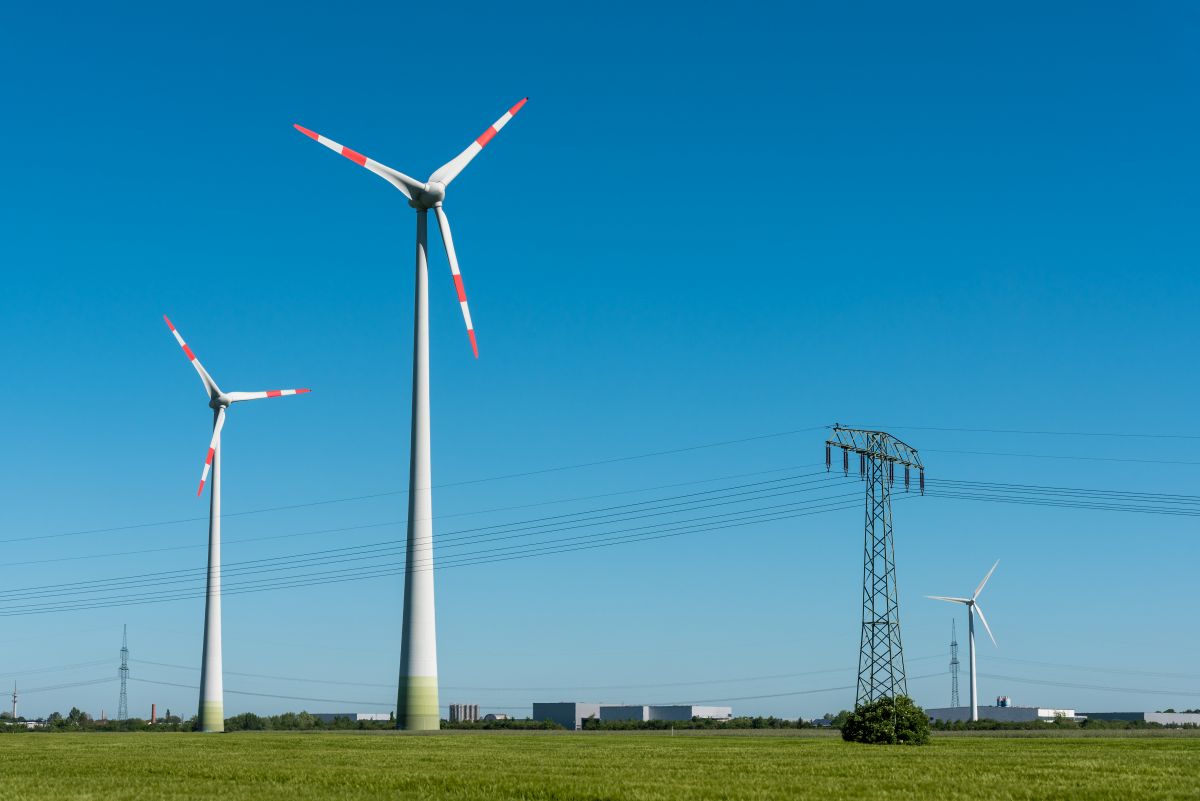
Wind energy has become a foundational pillar of the United States’ clean energy transition. According to the U.S. Energy Information Administration (EIA), wind power generated approximately 464,000 Gigawatt-hours (GWh) of electricity in 2025, representing about 10.48% of total U.S. electricity production. In 2026, its share is projected to rise to approximately 11.31%, supported by an estimated 11.8 GW of new installed wind capacity additions.
Driven by geography, policy support, and long-term infrastructure investment, a small group of states accounts for the majority of U.S. wind generation. Below are the top 10 U.S. states based on generation and emerging wind capacity that are shaping the national energy landscape.
1. Texas
Texas is the undisputed leader in U.S. wind energy, producing approximately 25–28% of the nation’s wind-generated electricity. The state has over 40,500 MW of installed wind capacity and more than 19,400 operational turbines, making it the largest wind market in the country.
This leadership is supported by strong transmission infrastructure, a deregulated energy market, and decades of investment in large-scale renewable energy development. West Texas, the Panhandle, and Northwest Texas offer some of the most consistent wind resources in North America.
Major wind hubs include Sweetwater, Roscoe, and the Texas Panhandle, which host some of the largest wind farms globally.
2. Iowa
Iowa is one of the most wind-dependent energy states in the U.S., with approximately 13,000 MW (13 GW) of installed wind capacity. Wind energy supplies about 60% of the state’s electricity generation, the highest share in the nation.
This leadership is driven by early renewable energy policies, strong wind resources in northern Iowa, and sustained utility-scale investment in clean energy infrastructure.
3. Oklahoma
Oklahoma is a major wind energy producer, with wind accounting for approximately 41% of its total electricity generation. The state has about 12,600–12,748 MW of installed wind capacity and more than 5,500 operational turbines.
A key project is the 999-MW Traverse Wind Energy Project, one of the largest single wind installations in the United States, with additional expansion phases planned through 2026.
Oklahoma’s vast open plains and strong central wind corridors have enabled its transformation from an oil-dependent state into a leading renewable energy producer.
4. Illinois
Illinois has the fourth-largest wind electricity generation in the country. The state has 10,326 MW of installed wind capacity, placing it among the top U.S. states for total wind infrastructure. Central and northern Illinois provide ideal conditions for large-scale wind development.
Key projects include the 205-MW Bright Stalk Wind Farm, the 202-MW Harvest Ridge Wind Farm, and the 194-MW Green River Wind Farm, all of which supply power to regional transmission networks.
Illinois benefits from strong transmission links to major Midwest electricity markets, enabling it to export significant volumes of wind-generated electricity.
5. Kansas
Kansas is located in the core of the U.S. Wind Belt and has become a major renewable energy hub. The state generates approximately 45-49 percent of its electricity by wind and has around 8,245 MW of installed capacity. Its flat terrain, consistent wind speeds, and open landscapes provide some of the highest wind capacity factors in the country.
6. Wyoming
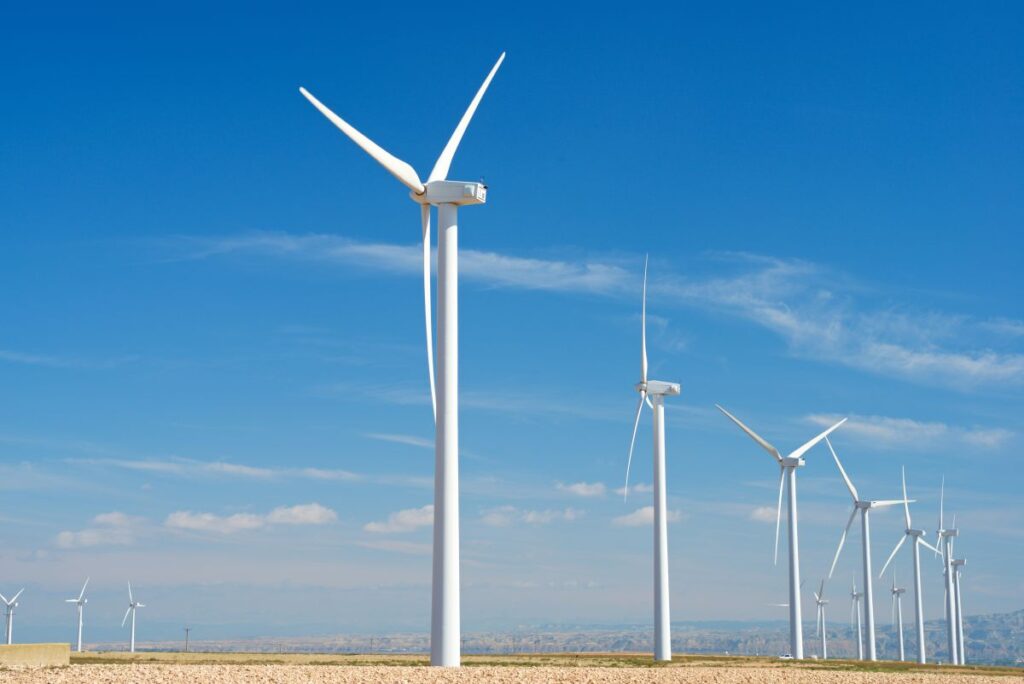
Wyoming is rapidly expanding its wind sector due to exceptional wind resources and low population density. The state has over 3,700 MW of installed wind capacity. Wind energy accounts for approximately 26% of Wyoming’s electricity generation, with nearly 90% of the state’s renewable electricity coming from wind power.
Major projects, including the Chokecherry and Sierra Madre Wind Project, highlight Wyoming’s role as an emerging large-scale wind energy exporter.
7. Colorado
Colorado has about 4,800–4,900 MW of installed wind capacity, ranking it among the top 10 wind-producing states in the U.S. Wind energy supplies roughly 26% of the state’s electricity generation, and renewable energy accounts for 43% of total electricity production, with wind being the dominant renewable source. The state’s eastern plains and mountain corridors offer strong wind conditions conducive to utility-scale development.
A key project is the Rush Creek Wind Project (600 MW), one of the largest wind farms in the western United States. Colorado is actively transitioning from coal to renewable energy, with wind playing a central role in grid modernization.
8. North Dakota
North Dakota’s location in the northern Great Plains provides the state with some of the best wind resources in the nation. The state has over 4,500 MW of installed wind capacity, and wind energy generated more than 35 percent of its electricity in 2024.
Due to its small population and high generation capacity, North Dakota exports a significant portion of its wind power to neighboring states.
Large projects such as the Bison Wind Energy Center phases have played a major role in expanding the state’s wind capacity and attracting further investment in renewable energy development.
9. Minnesota
Wind energy plays a major role in Minnesota’s transition to cleaner electricity generation. The state has more than 4,184 MW of installed wind capacity, and wind power supplies about 25 percent of Minnesota’s electricity.
Wind farms located in the southern and western plains benefit from steady wind conditions. Minnesota was also one of the early adopters of a renewable portfolio standard, which helped establish its mature wind energy market.
10. Nebraska
Nebraska has experienced significant growth in wind energy in recent years. As of 2024, wind power generated about 32 percent of the state’s electricity, supported by over 3,500 MW of installed wind capacity.
Nebraska’s publicly owned utility system enables long-term wind energy contracts, providing price stability and supporting continued development.
The state’s Great Plains wind corridor and transmission access to regional markets continue to attract new investment.
Why is the Midwest a Wind Energy Powerhouse?
Several geographic and economic reasons underlie the fact that most of the best wind energy states are found in the Midwest and the Great Plains:
1. High Wind Speeds
The U.S. wind corridor is central to an area with the most consistent and powerful wind resources in North America.
2. Availability of Large Areas of Land
The farms that produce wind need a lot of land. States in the rural plains have the best areas for utility-scale wind projects.
3. Transmission Infrastructure
The transmission projects enable wind power to cover major power markets in the country.
4. Supportive Renewable Policies
State renewable portfolio standards and federal tax incentives have hastened wind development.
Conclusion
The United States wind energy landscape is led by a small group of states that produce the majority of U.S. wind power. Texas remains the national leader in total wind generation, while Iowa leads in wind penetration as a share of total electricity generation. States such as Oklahoma, Kansas, Illinois, and Wyoming continue to expand their capacity and reinforce the country’s clean energy transition. With continued investment and policy support, wind energy is expected to supply an increasing share of U.S. electricity generation, strengthening its role in the national renewable energy mix through 2026 and beyond.
FAQs
1. What are the key drivers of the U.S. electricity market in 2026?
2. How is renewable energy expected to impact the U.S. electricity market in 2026?
3. Will electricity demand increase in the U.S. by 2026?
4. What challenges could affect the U.S. electricity market in 2026?
5. How are utilities preparing for the future electricity market?
Disclaimer: Any opinions expressed in this blog do not necessarily reflect the opinions of Certrec. This content is meant for informational purposes only.