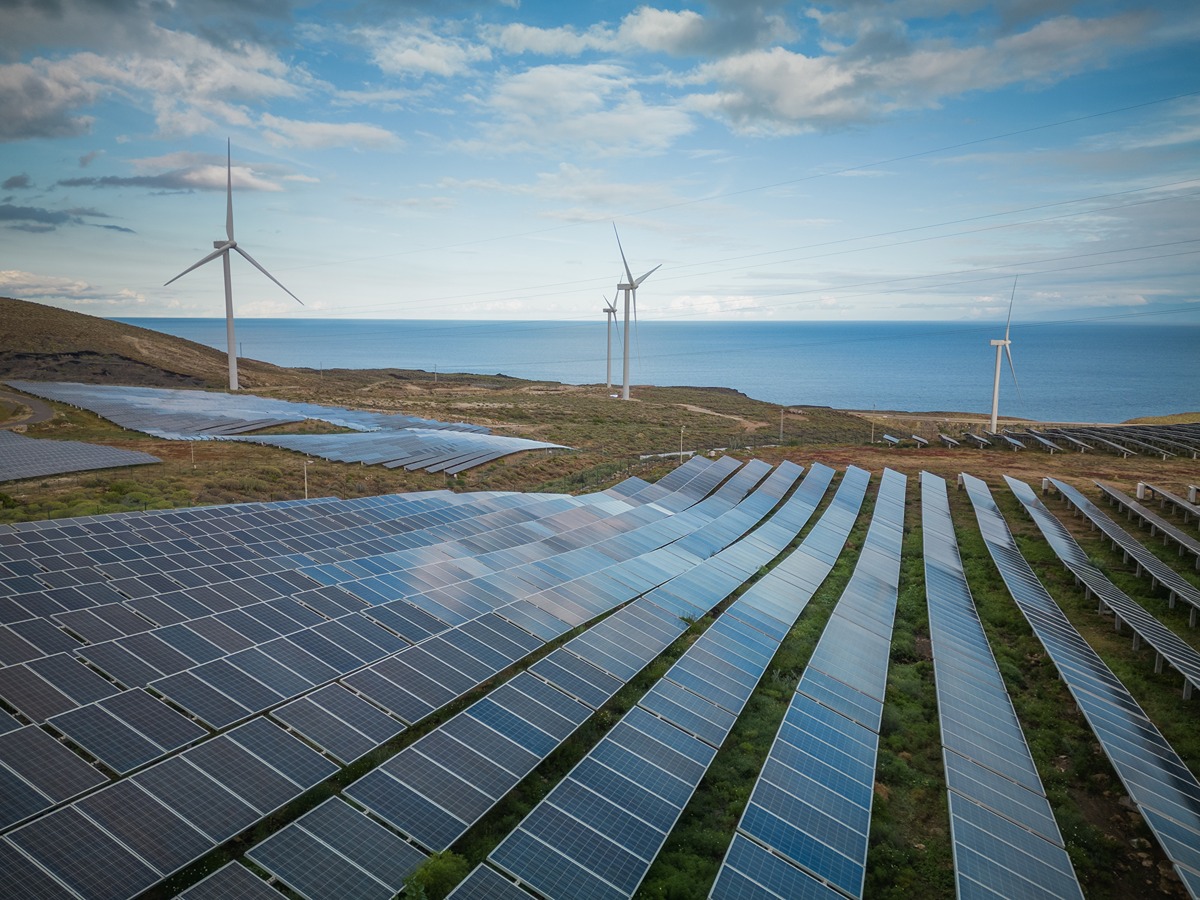

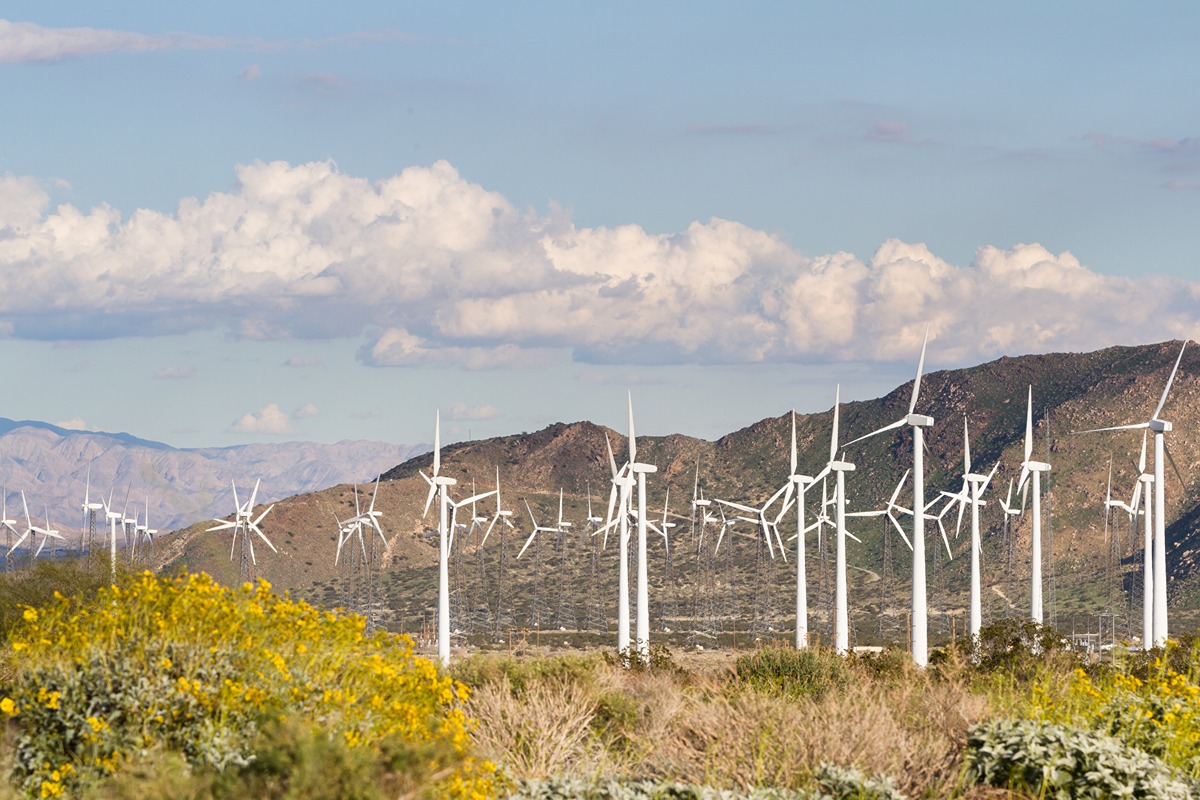
The largest renewable energy project ever built in the United States has begun generating electricity, putting a two-decade push to deliver wind power generated in New Mexico to consumers in California on the cusp of completion.
SunZia Wind has begun testing its 916 turbines as it nears the start of commercial operations later this quarter, according to a person familiar with the project. The impact is already evident: California broke its record for wind generation eight times in the last four weeks, according to Grid Status, a website that tracks power flows.
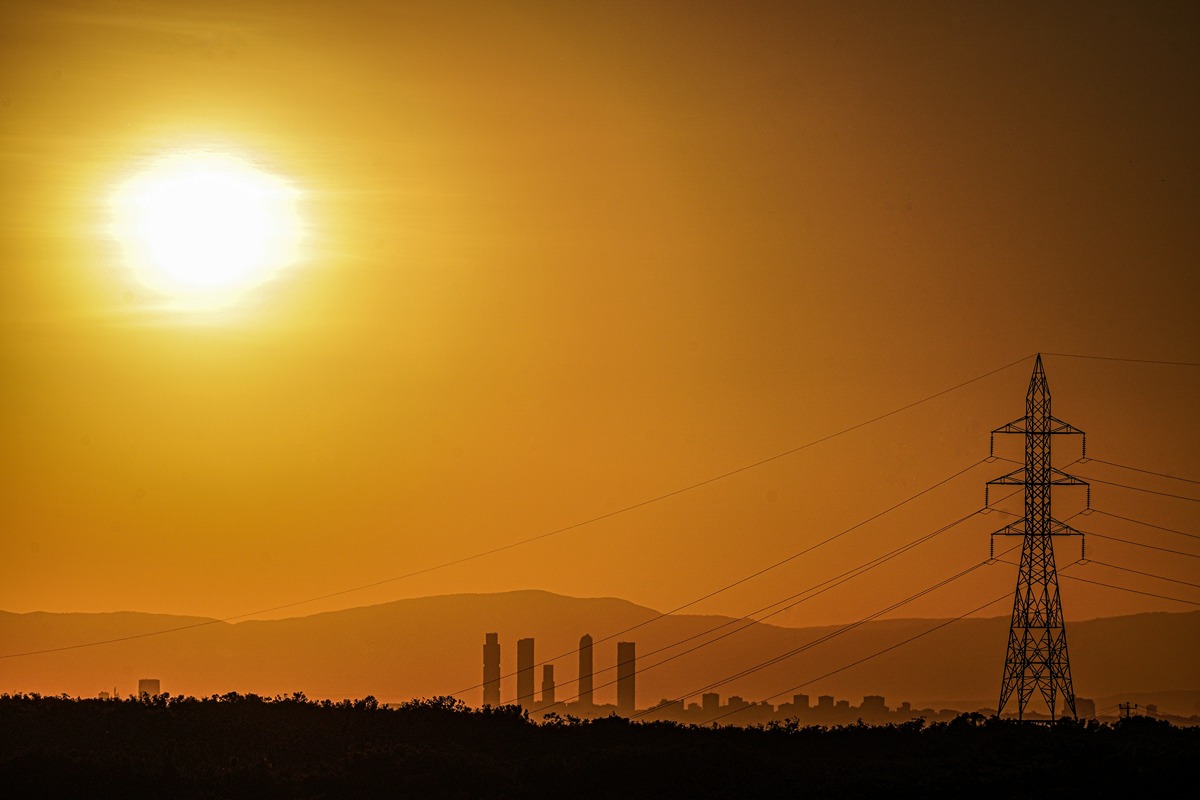
The 3.5-gigawatt wind development, which will deliver power over a 550-mile transmission line to California, is nearing the finish line at a time when the wind industry is under attack in Washington.
President Donald Trump eliminated tax credits for the industry and has erected new permitting barriers for wind projects nationwide. Wind developers have sought to keep a low profile against that backdrop in an attempt to avoid provoking the president. In a sign of the times, neither the project nor the California grid operator announced SunZia had begun generating electricity. The news was first reported by Grid Status.
“It’s been a long time coming,” said Abby Lestina, an analyst at Grid Status. “It’s somewhat of a cautionary tale in a way. It depicts some of the challenges with power infrastructure in this country.”
Initially proposed in 2006, SunZia will be able to generate enough electricity to supply 3 million people in California and Arizona. It is particularly important to California’s clean energy and climate goals because it is likely to generate the most at night, when the state tends to burn the most natural gas, and its significant solar resource is offline.
But the project has faced repeated permitting delays over the years, as its plans to string a transmission cable across New Mexico and Arizona ran into opposition from birders, Native American tribes, and the military. The U.S. Army initially objected to the line’s proximity to the White Sands Missile Range. A new route around the range was selected in 2020. The move also helped placate concerns of birding organizations like the Audubon Society.
The line is subject to ongoing litigation with Native American tribes, who argue federal regulators failed to properly consult them over its impact on tribal cultural sites.
It wasn’t immediately clear how much of SunZia is currently online. Pattern Energy, the project’s developer, declined to comment. The California Independent System Operator, which operates the power grid serving 80 percent of the state, did not respond to requests for comment.
But clean energy advocates celebrated the news, saying it would deliver a massive jolt of new electricity supplies at a time when utilities are racing to keep up with demand associated with the development of artificial intelligence and data centers.
“It is exactly what we need to have happen,” said Leah Stokes, a climate activist and professor of environmental politics at the University of California, Santa Barbara. The project will not only cut carbon dioxide pollution but also make it easier for the state to retire polluting natural gas plants in environmental justice communities, she said.
SunZia is more than three times larger than Great Prairie Wind, a 1-GW wind development in Texas that is currently the largest U.S. renewable energy project in operation. The New Mexico project will be bigger than all five offshore wind projects under construction along the East Coast of the United States.
The only renewable project planned in the U.S. of comparable size is Chokecherry and Sierra Madre, a 3.5-GW Wyoming wind project that also is seeking to export power to California. It is projected to start delivering power in 2029, according to U.S. Energy Information Administration data.
Signs that SunZia was nearing completion have been building. GE Vernova announced in February that all of the 674 turbines it made for the project had been delivered. Vestas Wind Systems said last month that all 242 of the turbines it built for SunZia had been installed. On Monday, CAISO notified the Federal Energy Regulatory Commission that it had recently taken operational control of the project.
By that time, SunZia’s electricity was already starting to show up on the grid. California’s wind generation record of 6,429 megawatts had stood for almost four years until March 25, when wind generation hit a new high of 6,654 MW. That figure rose to 7,193 MW on Monday.
“We need more power in the West. The demand is huge, and everyone is scrambling to find new resources,” said Ric O’Connell, executive director of the consultancy GridLab. “This is a really good story that SunZia is coming online and providing this power.”