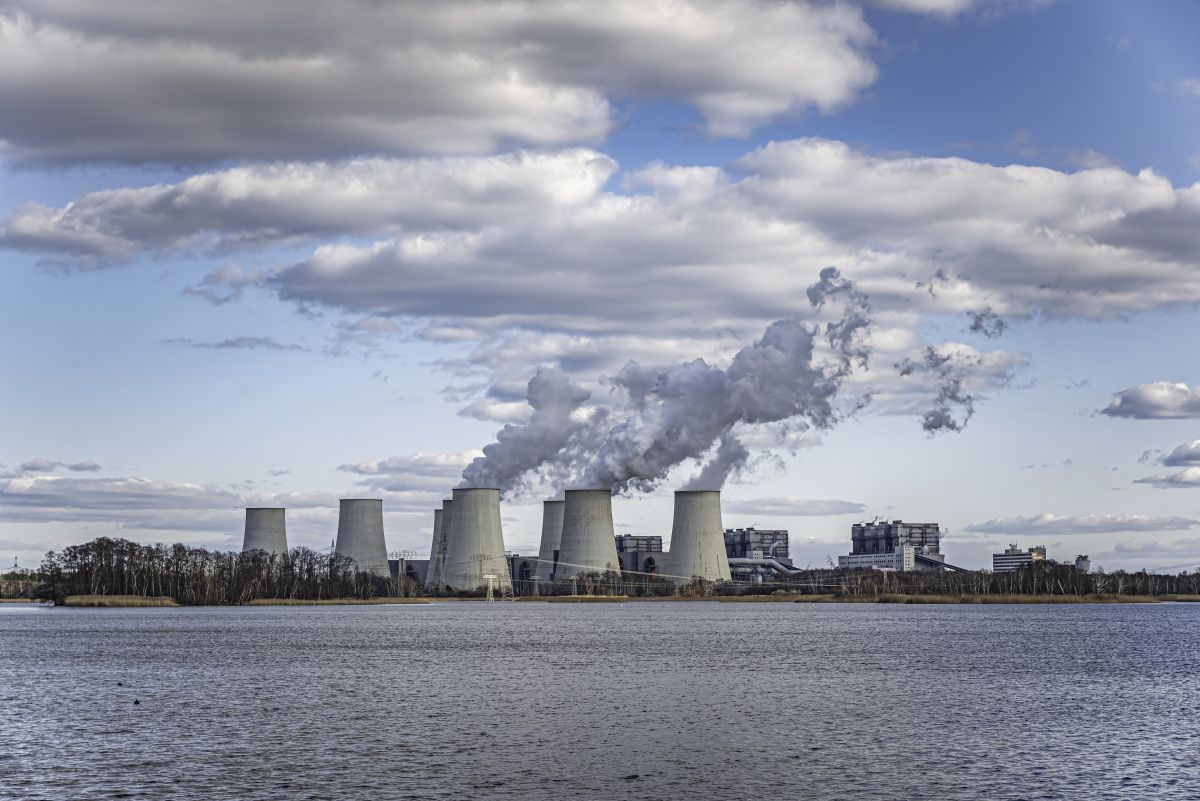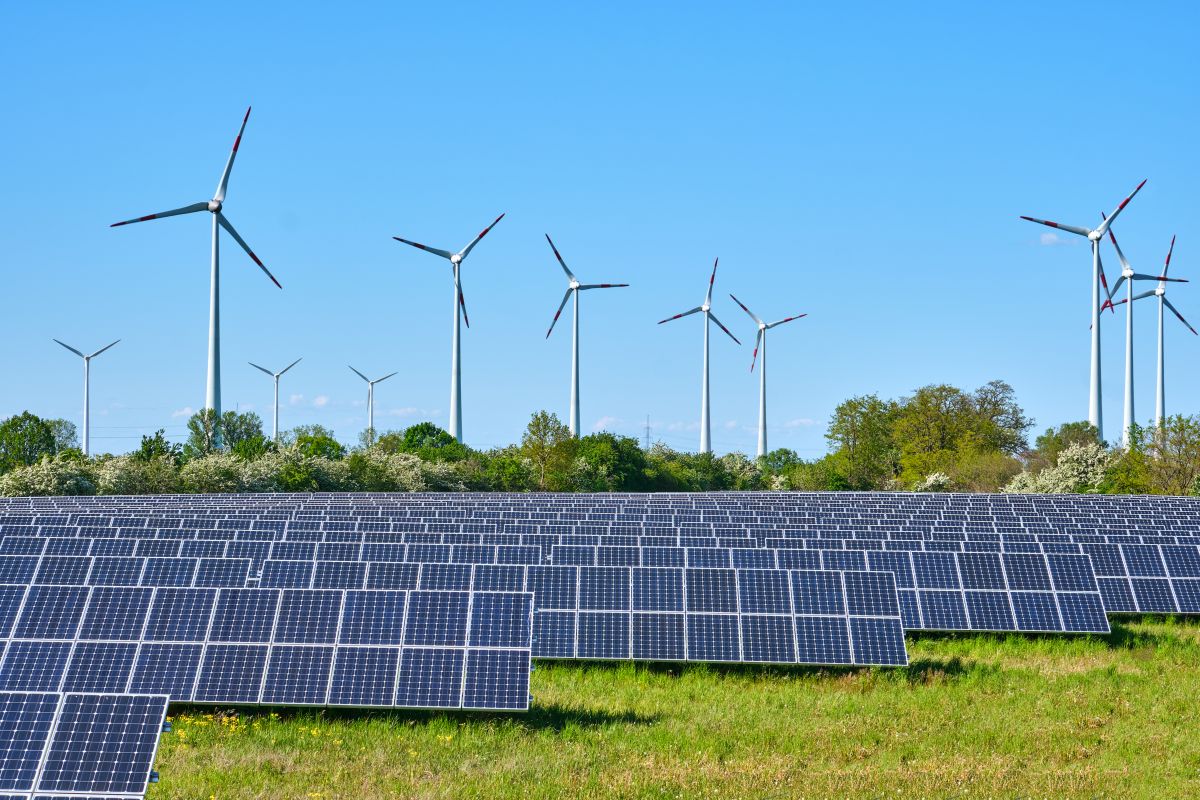



With the world moving towards net-zero emissions, governments across the globe view nuclear as a key option or hedge in decarbonization plans. In response, the U.S. is reinforcing its commitment by enhancing policy and regulatory reform. This drive to increase nuclear capacity forms a critical foundation for achieving a reliable, zero-carbon energy base. As technology advances, the efficacy of nuclear energy, as a pillar of a sustainable future, will hinge on upholding strict safety measures and ensuring consistent policy support.
Nuclear Energy’s Contribution to Global Decarbonization Goals
Nuclear plants supply continuous, dispatchable electricity that complements intermittent sources like solar and wind. They produce carbon-free electricity and serve as dependable baseload resources in low-carbon grid systems. Small modular reactors, high-temperature reactors, and non-light water reactors are some other advanced reactor types. Recent economic models indicate that advanced reactors could become cost-competitive. To achieve this, a supportive policy framework and lower construction expenses are required.
In 2025, the U.S. government took steps to speed up the deployment of nuclear energy. On May 23, 2025, the U.S. issued four executive orders aimed at accelerating nuclear development. These orders initiated reforms at the Nuclear Regulatory Commission (NRC). The administration set a goal to quadruple the nation’s nuclear capacity to approximately 400 GW by 2050. One of its immediate goals is to have at least ten large-scale reactors under construction by 2030. These policies are supported by federal incentives for existing reactors and advanced nuclear projects.
Compliance & Regulatory Hurdles
While nuclear energy’s potential is significant, several compliance and regulatory considerations must be addressed:
- Licensing & Permitting Timelines
The NRC’s review and approval processes are lengthy. The 2025 executive directives call for faster, more predictable licensing timelines. Utilities planning new reactors must align project schedules with anticipated regulatory reforms. - Environmental Review and NEPA
In July 2025, reforms of the DOE implementation of the National Environmental Policy Act (NEPA) were proposed. These changes are designed to make the review process quicker and site selection more efficient. - NRC Reform & Risk Culture
The executive orders call for cultural change within the NRC. This will reduce risk-averse behavior in licensing decisions and is a move toward more facilitative regulation. - Safety, Waste, and Long-Term Stewardship
Maintaining safety standards in protection against radiation, emergency preparedness, and waste management is fundamental. Entities must achieve and sustain documentary support to meet NRC and international requirements. - State-Level and Market Policy Alignment
Nuclear energy needs to be included in clean energy objectives through state policies and power market structures. Several states already provide incentives related to nuclear or other structures that help promote zero-carbon dispatch. Indicatively, state laws are changing to facilitate permits, and decarbonization goals are consistent with utility planning.
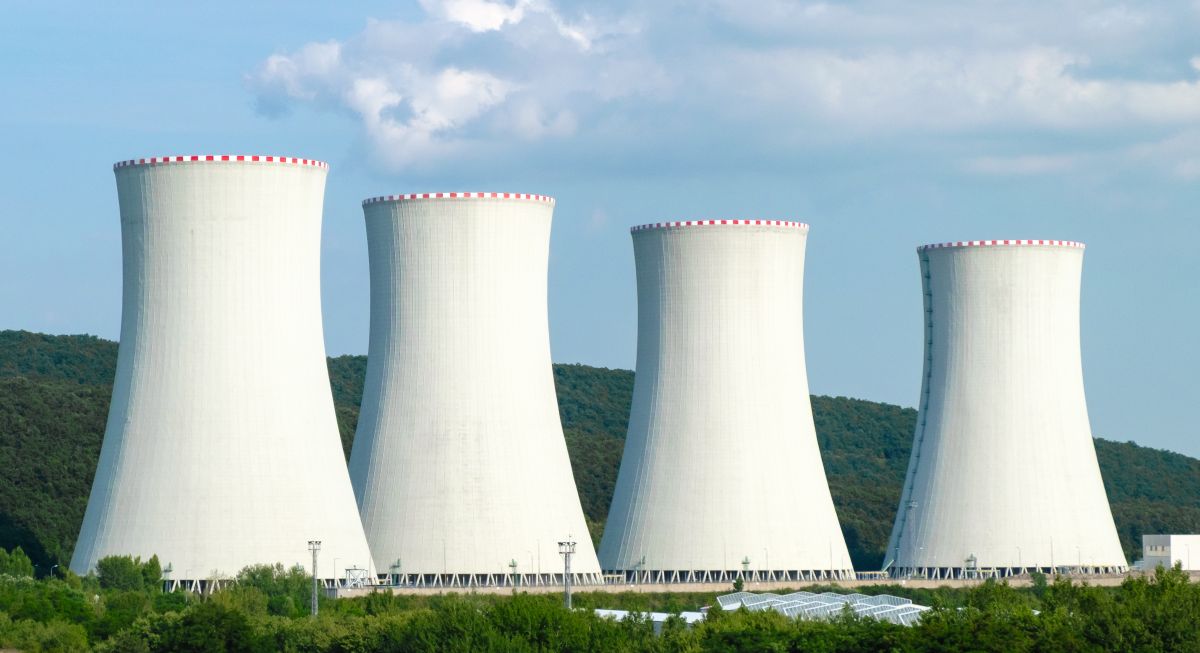
What Utilities Should Do Now
- Engage in licensing reform planning. Track regulatory rulemakings and engage in stakeholder processes to influence more predictable nuclear licensing trajectories.
- Decarbonization and grid strategies will add nuclear energy as an agile anchor, working in coordination with renewables, storage, and demand response.
- Prepare compliance systems for rigorous safety assurance. Establish robust monitoring, reporting, and traceability systems to satisfy NRC and environmental regulators.
- Model financial scenarios with policy incentives. To evaluate project viability, include tax credits, fuel incentives, and potential carbon pricing.
- Participate at the state and interconnection levels. Ensure nuclear deployment is incorporated into state energy plans, RFPs, and capacity market design.
Conclusion
Long-term decarbonization requires the use of nuclear energy. It consistently supplies baseload power that is carbon-free and is a complement to the intermittency of renewables. It also increases grid stability. New regulations and policies promote stronger adherence to safety, environmental, and permitting standards. Meeting these requirements is crucial for sustainable nuclear development. Nuclear energy helps achieve a sustainable and resilient future through coordinated efforts among policymakers, regulators, and operators.
FAQs
1. How much is the U.S. aiming to increase its nuclear capacity?
2. What is the near-term target for new reactor construction?
3. What portion of today's carbon-free electricity comes from nuclear?
4. How do policymakers plan to speed up nuclear plant development?
5. Are advanced nuclear reactors considered economically viable?
Disclaimer: Any opinions expressed in this blog do not necessarily reflect the opinions of Certrec. This content is meant for informational purposes only.