


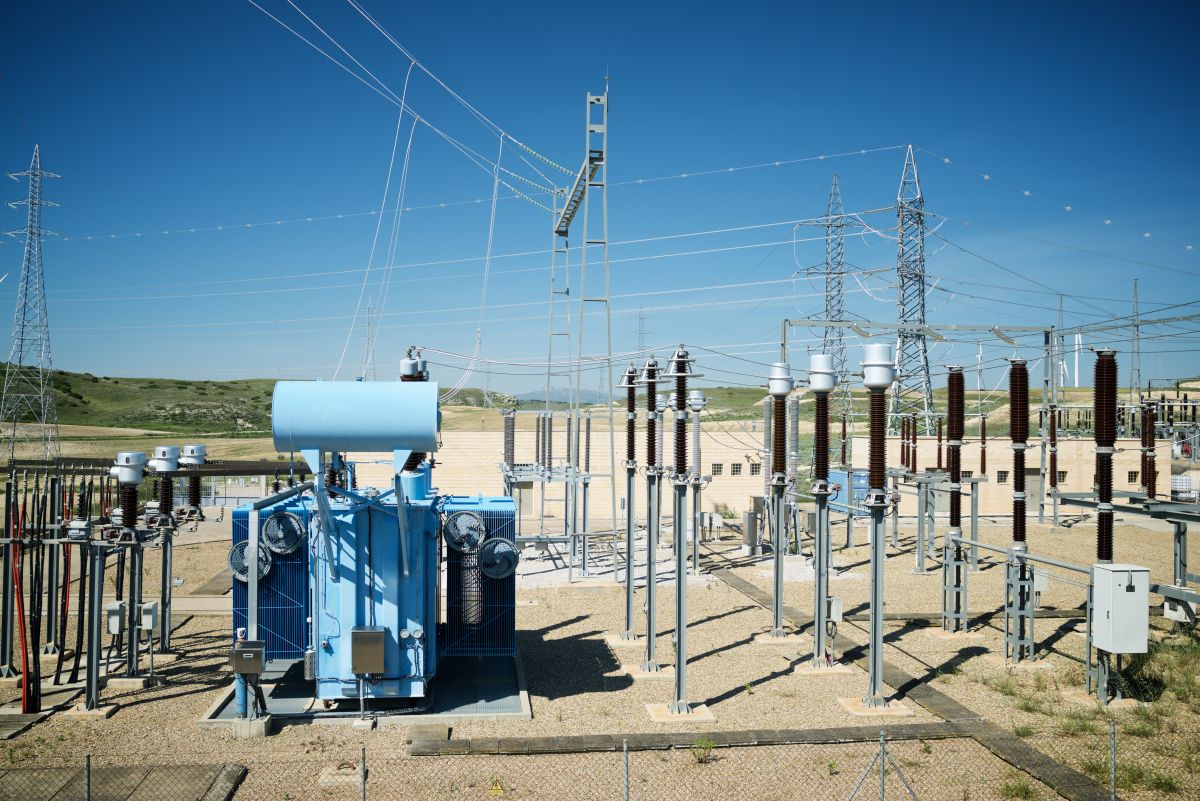
Geomagnetic Disturbance (GMD) events have the potential to adversely impact the reliable operation of interconnected transmission systems. During a GMD event, Geomagnetically Induced Currents (GIC) may cause transformer hot-spot heating or damage, loss of reactive power sources, increased reactive power demand, and protection system misoperation, the combination of which may result in voltage collapse and blackout. NERC enforces key standards, primarily TPL-007-4 for transmission planning and EOP-010-1 for real-time operations, to mitigate these threats. This blog explores NERC’s compliance requirements and the persistent planning challenges utilities face in safeguarding against GMD risks.
Key NERC Standards for GMD Events
NERC Standard TPL-007-4 requires responsible entities to maintain system and GIC models. The objective is to define voltage performance criteria and conduct benchmark and supplemental GMD vulnerability assessments at least once every 60 months. These assessments evaluate steady-state performance under benchmark and supplemental GMD events at on-peak and off-peak loads. This allows controlled load loss or firm transmission interruptions while prohibiting voltage collapse or uncontrolled islanding.
Transmission and generator owners must conduct thermal impact assessments of transformers. Specifically, those facing high GIC levels under benchmark and supplemental events (often on the order of 75–85 A/phase in industry studies), and complete the assessment within 24 months.
NERC Standard EOP-010-1 requires Reliability Coordinators and Transmission Operators to develop, maintain, and implement GMD operating plans and processes to receive and act on space-weather information. TPL-007-4 requires that completed assessments be provided to RRs, adjacent planners, and requestors within 90 calendar days. It also requires documented responses to comments within 90 days.
Compliance Requirements
Compliance involves role assignments per R1 of TPL-007-4. It includes evidence retention (e.g., 5 years for models, until CAP completion for corrective actions) and violation severity levels ranging from lower to severe based on delays or omissions. If assessments reveal deficiencies, entities develop Corrective Action Plans (CAPs) within one year. Also, typically targeting shorter timelines for non-hardware mitigations and longer timelines for hardware solutions, subject to regulatory approval. NERC uses its Section 1600 data-request authority to collect GIC/magnetometer data to support assessments.
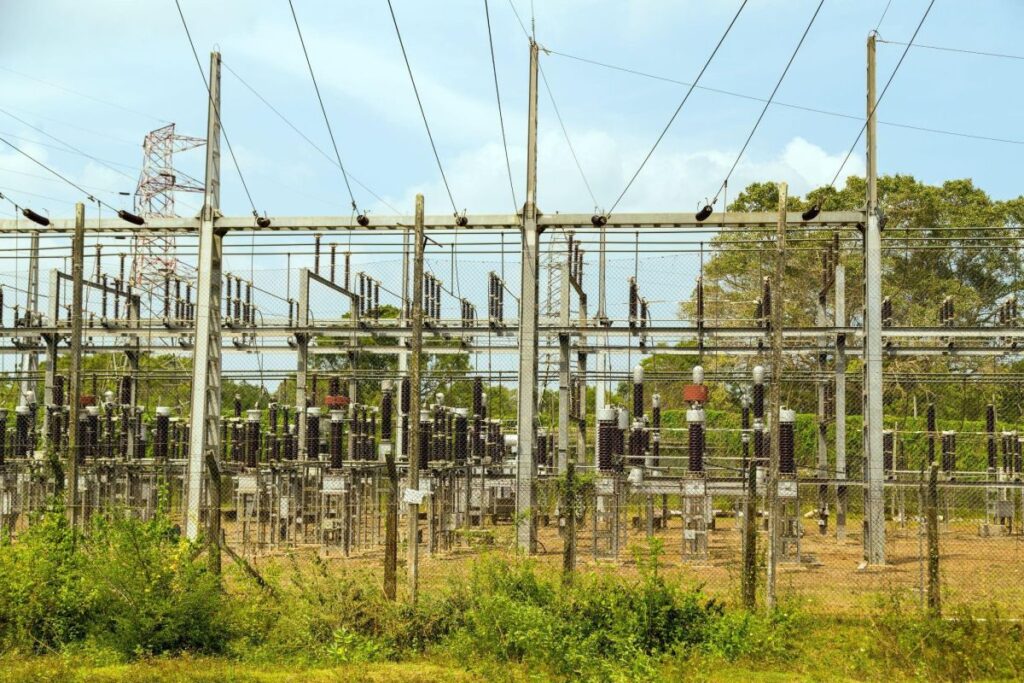
Compliance with NERC GMD standards begins with system vulnerability assessment. Transmission planners must evaluate benchmark GMD events. These events affect voltage stability, transformer thermal limits, and reactive power margins. This requires detailed GIC modeling that accounts for network topology, grounding resistance, transformer design, and geographic conductivity.
Requirement | Frequency/Timeline | Key Entities | Outputs |
Benchmark GMD Assessment (R4) | Every 60 months | Planning Coordinator, Transmission Planner | Steady-state analysis, GIC flows to TO/GO |
Thermal Impact Assessment (R6/R10) | Within 24 months of the GIC data | Transmission/Generator Owner | Mitigation suggestions for high-GIC transformers |
Corrective Action Plan (R7/R11) | Within one year, if non-compliant | Responsible entities | Timetable for fixes, shared with stakeholders |
GMD Data Processes (R12/R13) | Ongoing | Responsible entities | GIC/geomagnetic data acquisition |
Credit: NERC
Planning Challenges
Complex modeling for geoelectric fields, GIC flows, and transformer hotspots necessitates accurate data. Regional geomagnetic variations and limited GIC monitors often challenge this. CAP implementation faces hardware procurement delays, high costs for series capacitors or neutral blockers, disrupted coordination across multiple entities, and severe supply chain issues. Due to balancing compliance costs and probabilistic GMD threats, entities often struggle with evidence documentation for audits.
Conclusion
NERC standards addressing GMD events play a critical role in protecting the reliability of the Bulk Electric System (BES) against low-frequency, high-impact space weather events. TPL-007-4 provides enhanced requirements to address reliability risks arising from GMDs. It includes the risks posed by severe, localized events. TPL-007-4 also specifies deadlines for entities to develop and implement corrective action plans.
Disclaimer: Any opinions expressed in this blog do not necessarily reflect the opinions of Certrec. This content is meant for informational purposes only.