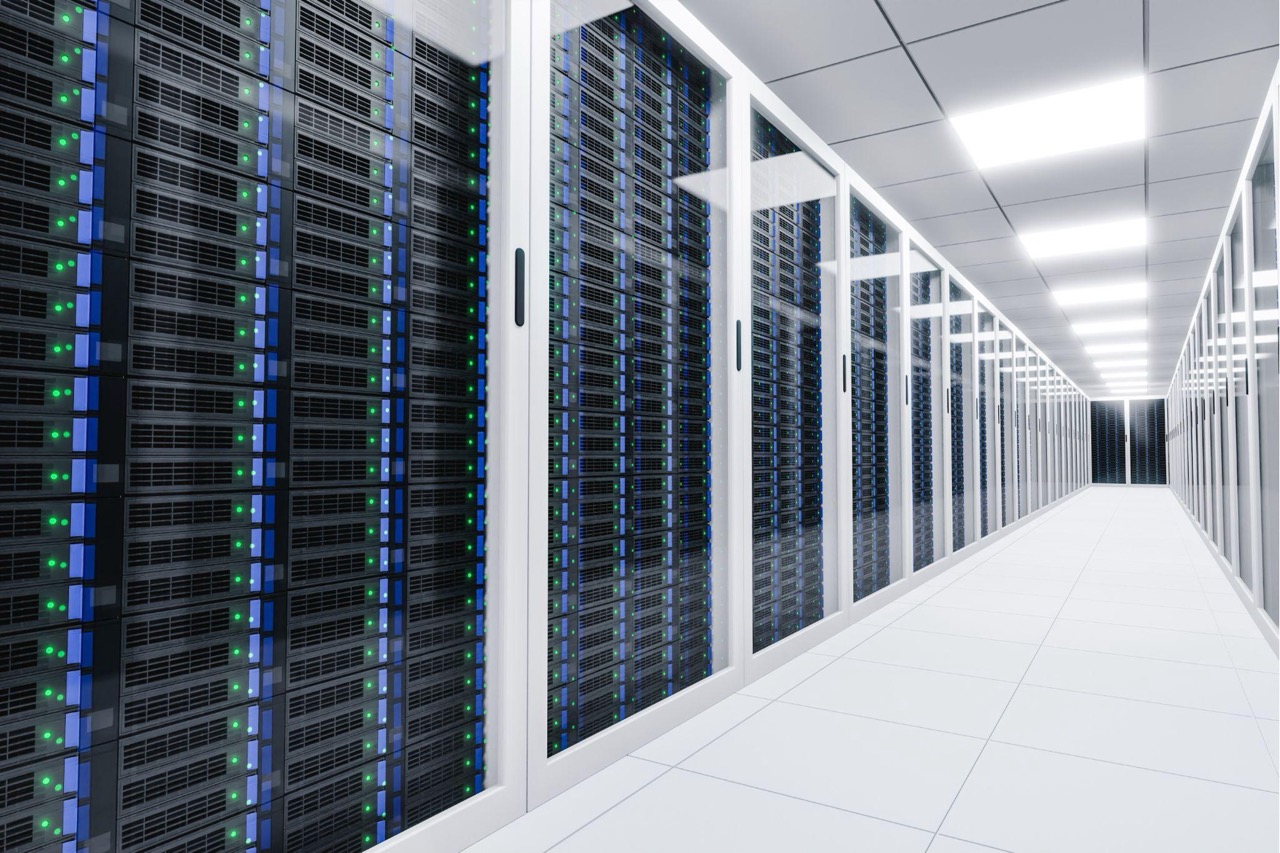


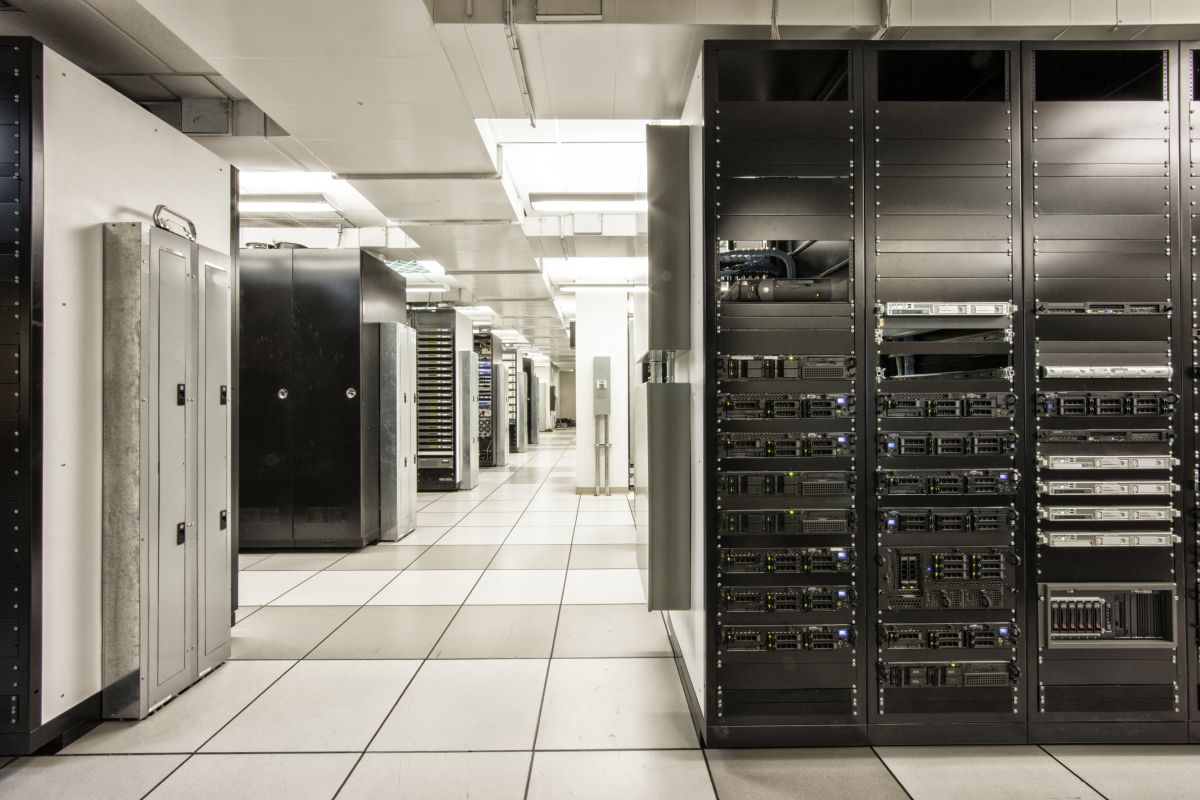
In an era of rapid digitization, Artificial Intelligence (AI), and enterprise computing, the demand for processing power is increasing at a record rate in the United States. Data centers, the backbones of the digital economy, support everything from cloud storage and video streaming to enterprise computing and real-time AI workloads.
Impact of 106 GW Data Center Loads on the U.S. Grid
By 2035, U.S. data center demand could increase from approximately 35 GW today to as much as projected 106 GW in high-growth scenarios driven by AI and cloud computing. This is equivalent to the continuous load of tens of millions of homes. Data centers are projected to account for 8.6% of the total U.S. electrical demand by 2035. This is more than double their current share.
This energy consumption poses a unique challenge. Although distributed energy demand can be managed by broader grids and power systems, concentrating 106 GW of demand in specific data centers creates localized strain.
Key Trends of U.S. Data Center Electricity Demand
The load profile for the U.S. grid could be transformed if data center power consumption reaches 106 GW by 2035. The key trends of U.S. data center electricity demand are as follows:
1. Cloud Computing and AI Are Exploding
The rise in electricity demand is closely tied to generative AI, as well as other advanced computing workloads. AI models, especially for training and inference, require massive computing power. They rely on clusters of servers equipped with high-performance processors. BloombergNEF reported that nearly 25% of the 150 new data centers recently added to industry trackers are expected to have power capacities exceeding 500 megawatts.
2. Increased Density of Loads and Larger Facilities
Only about 10 percent of data centers in the United States consume more than 50 megawatts of electricity. But new facilities, particularly designed to operate AI workloads, consume more than 100 MW per site. A few mega-sites could even exceed 1 GW. Hence, overall electricity demand has increased significantly due to this shift toward larger and denser power loads.
3. Geographic Expansion in the U.S.
Data center growth has traditionally been focused in a few established markets, such as Northern Virginia, Dallas, and Silicon Valley. New construction is now spreading to rural and exurban areas with access to fiber-optics service, as well as favorable land and electricity conditions. The planned capacity of data centers is increasing in regions such as central Pennsylvania, the Carolinas, Texas, and some parts of the Midwest.
Implications of Growing Data Center Power Demand on the U.S. Grid
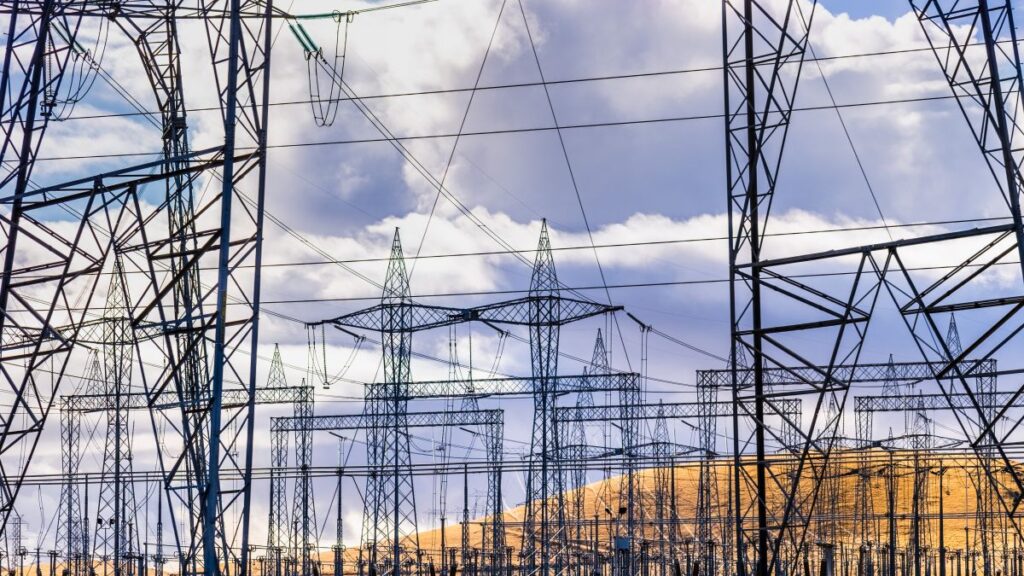
BloombergNEF stated that certain regions, namely PJM and ERCOT (Electric Reliability Council of Texas), could experience grid stress because data center demand is growing faster than new generation capacity. Data center load in PJM could reach 31 GW, nearly equal to the expected generation increases over the same period.
Consumption Share in the U.S.
Over the past decade, U.S. data center energy consumption has increased significantly. Data centers draw tens of gigawatts of power and consume hundreds of terawatt-hours annually, a significant share of total electricity consumption. Data centers will account for an increasing portion of the total electricity consumption by 2035. This is despite other sectors of the economy also electrifying, such as transportation and manufacturing.
Some utilities and states have already started revising their rate structures, adding demand charges, or negotiating special rates with hyperscale data centers to balance grid costs.
Strategic Grid Planning
Grid planning on all levels will be required to meet expansive data center demands by 2035. This includes planning long-range resources and transmission expansion, and coordinating among utilities, regulators, and regional levels.
Artificial Intelligence Catalyst
AWS, Google, and Microsoft plan to build massive data center campuses to support AI model training and inference. This is changing the capacity expectations of the entire energy industry.
Energy analysts and executives have warned that speculation in artificial intelligence or data centers could inflate load growth projections. Grid Strategies reported that utility forecasts for 90 GW of new data center load by 2030 may be overstated. Actual growth is closer to 65 GW.
Geographic Diversification & Regional Challenges
In the past, data centers were clustered around well-established hubs such as Northern Virginia, the Atlanta metro area, and Central Ohio. BloombergNEF’s project tracker shows data center growth across the country, southward through Virginia and the Carolinas, upward through eastern Pennsylvania, away from Chicago along the Lake Michigan shore, and increasingly into Texas, the Gulf Coast, and other states.
The Energy Information Administration predicts that only 28.7 GW of new generation capacity will be added to PJM in the same time period. The growth in data center demand will almost match the new generation capacity as it grows in other sectors.
Conclusion
Growing electricity demand poses both challenges and opportunities, from grid reliability and economic growth to sustainability and innovation. Stakeholders’ responses over the next decade will determine the future of America’s power grid and its ability to support the digital economy.
FAQs
1. Is artificial intelligence really the primary driver of this demand growth?
2. Which U.S. state's data center growth is the fastest?
3. Why did BloombergNEF revise its forecast so dramatically?
4. What are the environmental concerns associated with data center expansion?
5. What is the projected U.S. data center power demand by 2035?
Disclaimer: Any opinions expressed in this blog do not necessarily reflect the opinions of Certrec. This content is meant for informational purposes only.