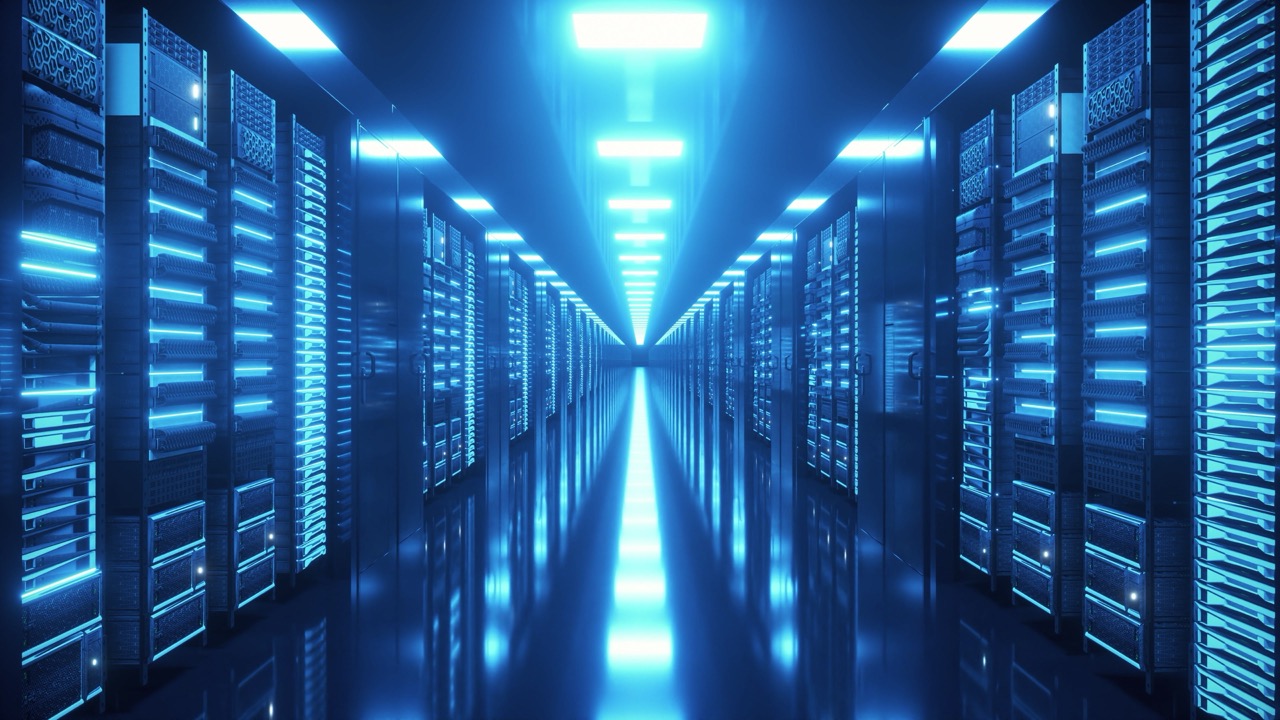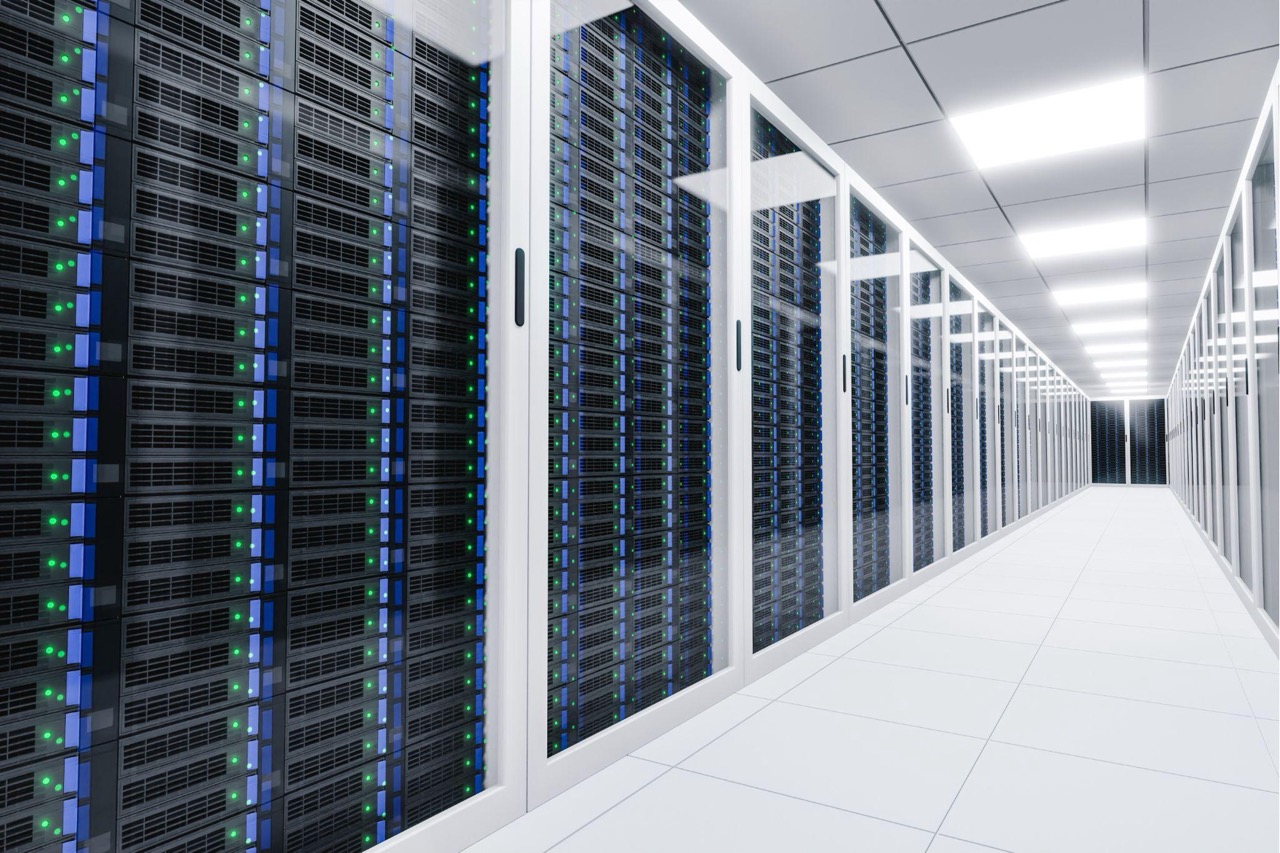


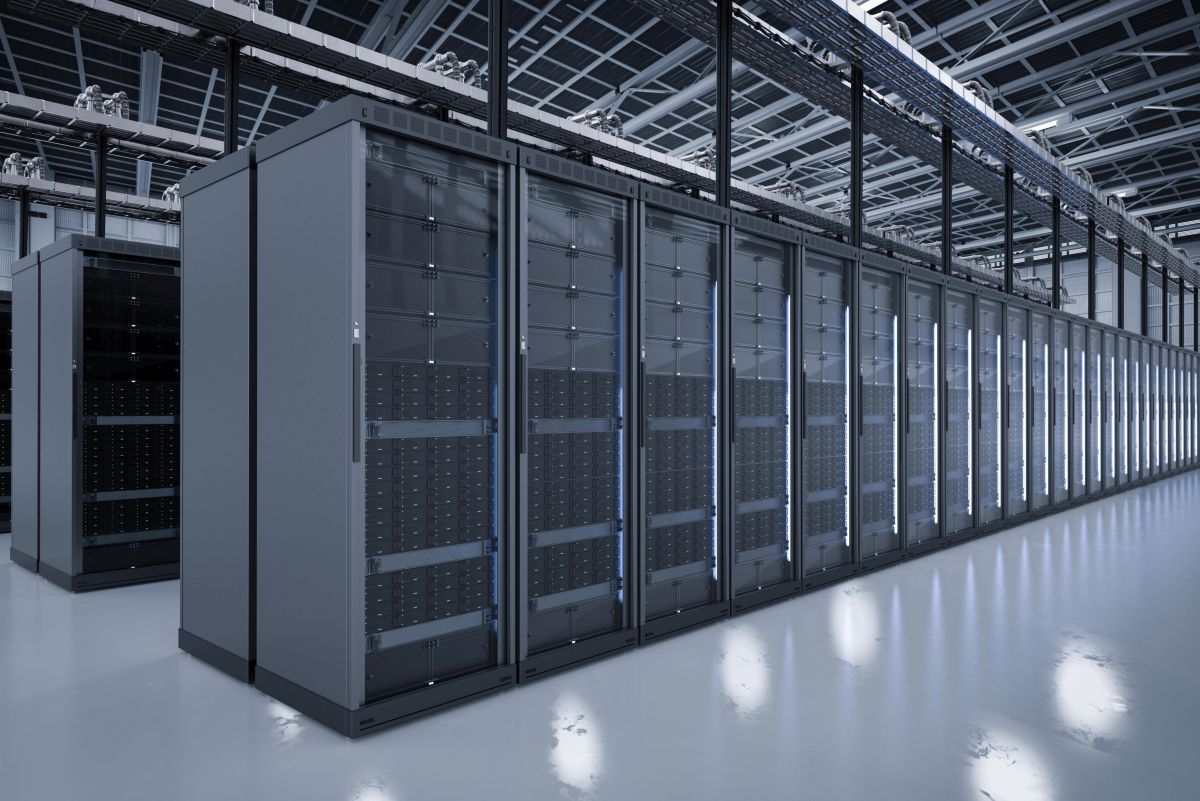
In today’s era of rapid digitization and computing, data centers play a critical role. Whether it’s the economy, healthcare, artificial intelligence, or the internet, data centers actively improve business operations globally. However, growing reliance on data centers has significantly increased energy demand.
In the United States, data centers consumed about four percent of total electricity consumption. This figure will continue to increase due to AI, cloud services, cryptocurrencies, financial processing, and more. Electricity outages in data centers disrupt operations and cause substantial financial losses across industries. However, solar energy offers a viable solution to address these challenges while reducing operating costs.
Understanding the Data Center Power Problem
Data centers require substantial operational complexity. In addition to computational power, they require heating/cooling equipment, lighting, networking infrastructure, power distribution equipment, and backup systems. These operations impose significant capacity constraints on the electrical grid. A large-scale data center can consume as much electricity as 100,000 U.S. households. A larger one used for advanced AI and research may consume even more energy. This is why organizations must explore alternative energy sources such as solar power.
Why Traditional Power Models Are Breaking Down
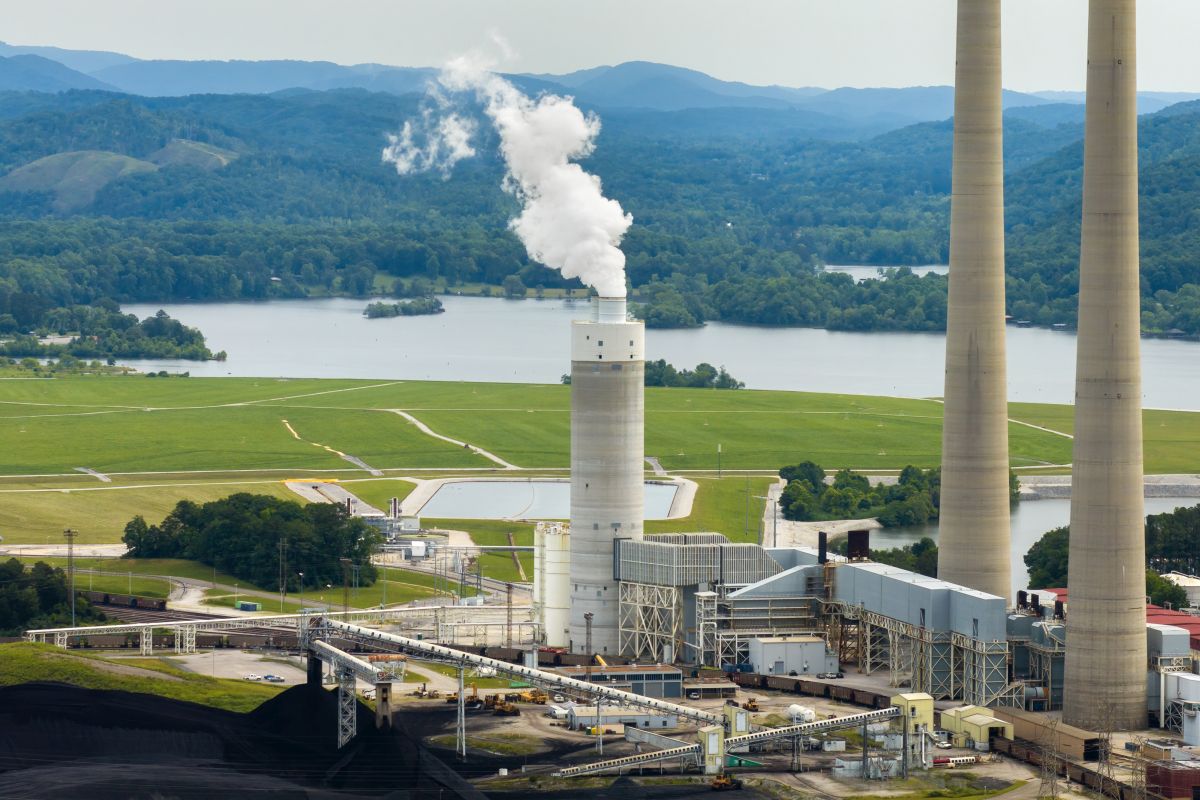
The last time the United States experienced rising energy demands was before the early 2000s. Traditional energy infrastructure at the time required substantial investment and changes. The reasons were economic growth, population growth, and shifts in consumer adoption of technology.
In 2023-24, data centers consumed approximately 176 TWh of electricity. Data centers in Virginia during that period consumed almost 26% of the total electricity supply, with similarly large regional shares in North Dakota (15%), Nebraska (12%), Oregon (11%), and Iowa (11%). Data center electricity demand is projected to rise sharply, potentially doubling by 2030, and this growth has important implications for traditional energy planning and grid capacity.
Solar as a Strategic Energy Solution for Modern Data Centers
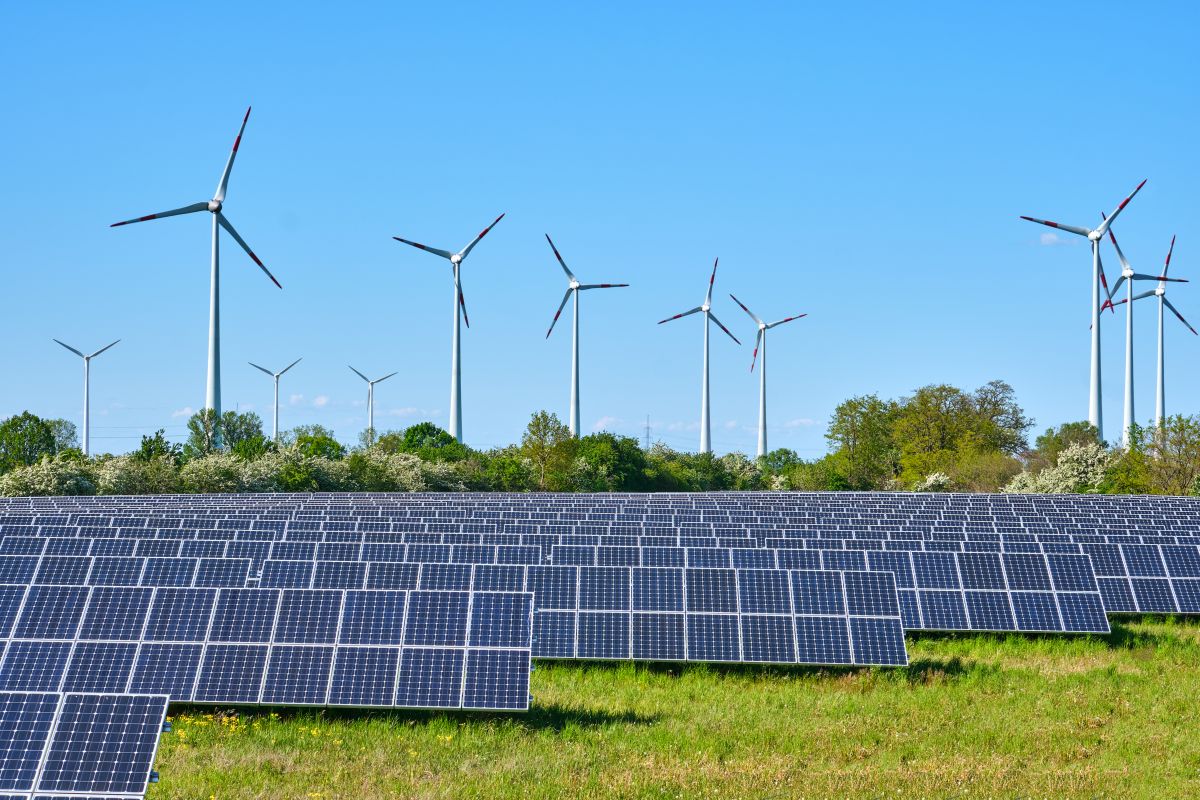
Advances in solar energy research and development now provide data center operators with viable alternatives to traditional power sources. Solar energy is clean and renewable.
According to a study by Harvard and Cornell University, data centers produced over 105 million tons of CO2 in 2023, representing approximately 2.18% of U.S. electricity-sector emissions.
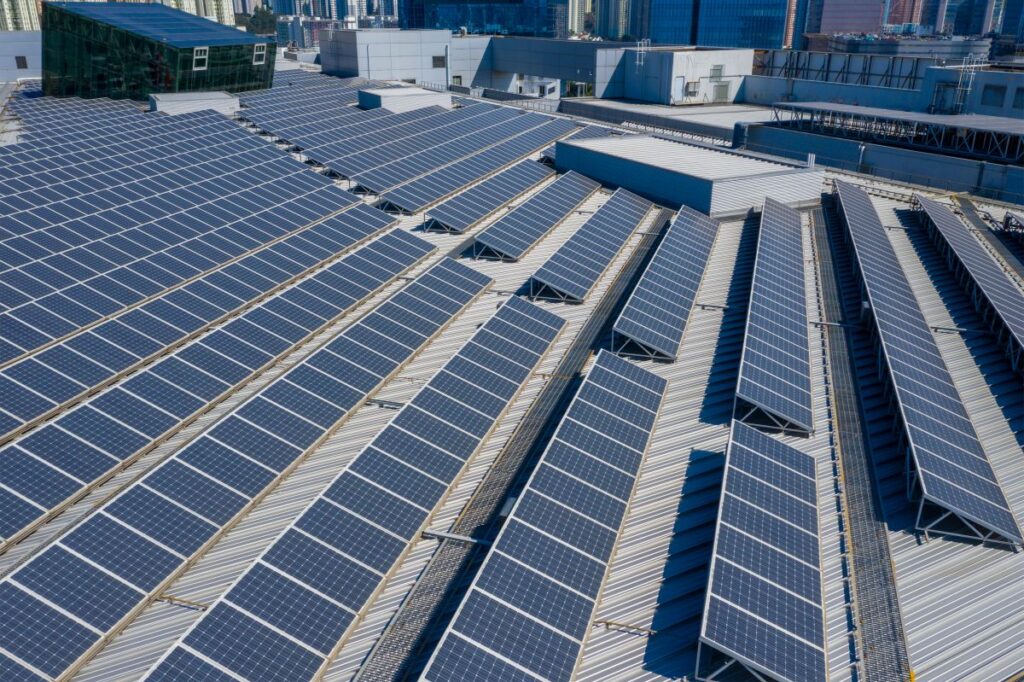
Choosing solar power for a data processing facility will not only reduce emissions but also help the United States meet its zero-emissions target by 2050. Whether an organization adopts on-site or off-site solar power, it can significantly lower its exposure to grid failures and disturbances. Solar power enhances energy resilience and sustainability for big data center operations when combined with energy storage and grid support.
Steps to Power Up with Solar
While equipping a data center with solar power offers advantages, it is essential first to understand the key facts. The information below can help get started:
1. Assess Energy Demand
Assessing data center energy consumption is the first critical step. Examining the load profile, peak demand, and growth forecast data is important. If in-house analysis is not feasible, organizations should engage an experienced energy consultant. By gathering the required power data, you can understand how much solar energy the data center requires.
2. Evaluate Solar Potential
Site assessment determines whether the proposed location is suitable for solar deployment. The site conditions that must be considered are:
- Rooftop & land area
- Solar irradiance
- Local climate.
These factors will let you estimate the solar feasibility of your site.
3. Choose the Deployment Model
The major solar deployment models available for data centers include:
- On-site setup
- Off-site farms
- Power purchase agreements
- Hybrid approach.
Carefully research available options before selecting the right model for your project.
4. Integrate Energy Storage
While integrating solar power into a data center offers clear benefits, storing the energy produced is equally vital. To do this, organizations can install batteries that are charged and utilized throughout the day. Adding storage can facilitate:
- Managing intermittency
- Supporting peak loads
- Improving reliability.
5. Upgrade Electrical Infrastructure
Although modern solar solutions are designed for seamless integration with existing infrastructure, upgrading or replacing incompatible equipment may be necessary. These include:
- Switchgear and protection systems.
- Power distribution units.
- Energy management and control systems.
- Existing backup systems, such as UPS and generators.
6. Ensure Grid and Regulatory Compliance
At this stage, it is essential to verify that both the data center and the solar integration meet all relevant standards. This includes:
- Securing interconnection approvals.
- Getting permits.
- Complying with energy regulations.
- Meeting electrical and safety standards.
7. Operational Tracking and Optimization
As a final step, establish continuous measurement and tracking of solar energy production and usage. Over time, this will enable organizations to:
- Track performance
- Optimize usage
- Maximize solar utilization.
Benefits Over Other Energy Sources
Data center owners have various options, including natural gas, diesel generators, hydropower, wind, or biomass. However, they require high investment and upkeep. Solar can often be deployed faster than many conventional generation projects. Some benefits of solar over other energy sources are:
- Quick installation and integration.
- Reduced operating costs.
- Emissions reduction & sustainability.
- Energy independence & resilience.
- Scalability & flexibility.
- Long-term pricing predictability.
- Regulatory and market advantages.
Conclusion
Conventional energy infrastructure in the United States is facing increasing capacity constraints due to rising energy demand from data centers. Solar energy can provide a clean, reliable, and efficient energy supply. Powering a data center with solar helps mitigate unexpected power events and significantly reduces carbon emissions. Given the wide range of options, solar power is a scalable, sustainable energy solution for data center operations.
FAQs
1. Why are traditional power models struggling?
2. How can solar energy help data centers?
3. What solar deployment models are available?
4. Are there regulatory requirements for solar integration?
5. Can solar completely replace grid electricity?
Disclaimer: Any opinions expressed in this blog do not necessarily reflect the opinions of Certrec. This content is meant for informational purposes only.