


President Donald Trump invoked the Cold War-era Defense Production Act on Monday to shore up federal funding for a host of energy projects—involving oil, gas, coal, and the grid—as the White House moved to buffer climbing electricity and fuel costs.
The president signed a series of determinations under Section 3 of the 1950 law, which gives presidents sweeping emergency authorities to control domestic sectors. The orders target the power grid, natural gas, LNG, the coal sector, and domestic petroleum production, refining, and capacity logistics.
A White House official said the determinations are necessary for the Department of Energy to deploy funding that was secured in the Republicans’ 2025 One Big Beautiful Bill Act under Title III of the Defense Production Act.
The determinations will “strengthen our grid infrastructure and unleash reliable, affordable, secure energy,” White House spokesperson Taylor Rogers said.
The memos allow Trump to tap billions of dollars set aside under the Defense Production Act, a law that both Republican and Democratic administrations have invoked to control domestic sectors. President Joe Biden invoked the law to bolster the production of clean energy, and Trump last year issued a waiver allowing it to expand the use of the law to boost U.S. production of critical minerals and weapons.
The law empowers the president to allocate materials, services, and facilities for national defense purposes or to offer loans or loan guarantees to companies, subject to an appropriation by Congress, according to the Council on Foreign Relations. An administrator can also make purchases or purchase commitments and install equipment in government or private factories.
The Trump administration likely wants to show it is addressing climbing energy prices and reliability issues and sees the Defense Production Act as a critical lever it can use to unleash federal funding, said an energy industry official granted anonymity to speak freely. The administration is also using the Iran war as a way to address concerns about reliability and affordability as electricity prices climb amid a national AI data center build-out, the official said.
“I truly believe this is a ‘don’t let a good crisis go to waste,'” the energy industry official said. The determinations could lead to additional construction of pipelines, possible acceleration of LNG exports, and more oil and gas procurement.
“On the coal side, what we’ve seen from the Energy Department is that they want to invest in coal plants, improve efficiency, and add capacity,” said the official.
The determinations build on Trump’s declaration of a national energy emergency in January 2025—a move that’s been highly contested and drawn legal threats—and allow the White House to move forward with financial support for its purchases.
The orders cover a swath of equipment and industry processes across the oil, gas, coal, and grid sectors.
What’s in the orders?
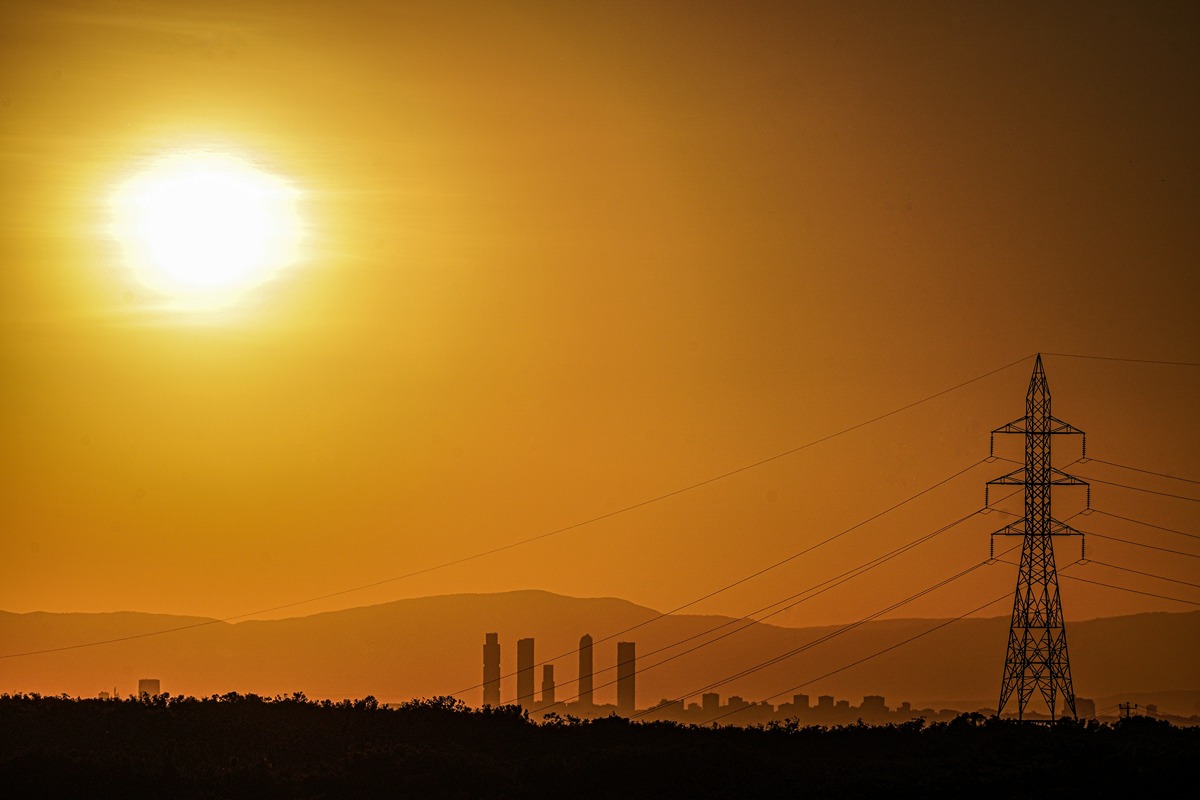
In a determination focused on the grid, Trump declared, “America’s aging and constrained electric grid infrastructure poses an increasing threat to national defense.” He said the grid order was aimed at expanding the domestic manufacturing and deployment of grid infrastructure. The U.S. faces a shortage of transformers and other equipment needed to expand transmission for burgeoning electricity demand. The memo covers transformers, high-voltage transmission components, advanced conductors, power electronics, substations, and grid-supporting manufacturing equipment.
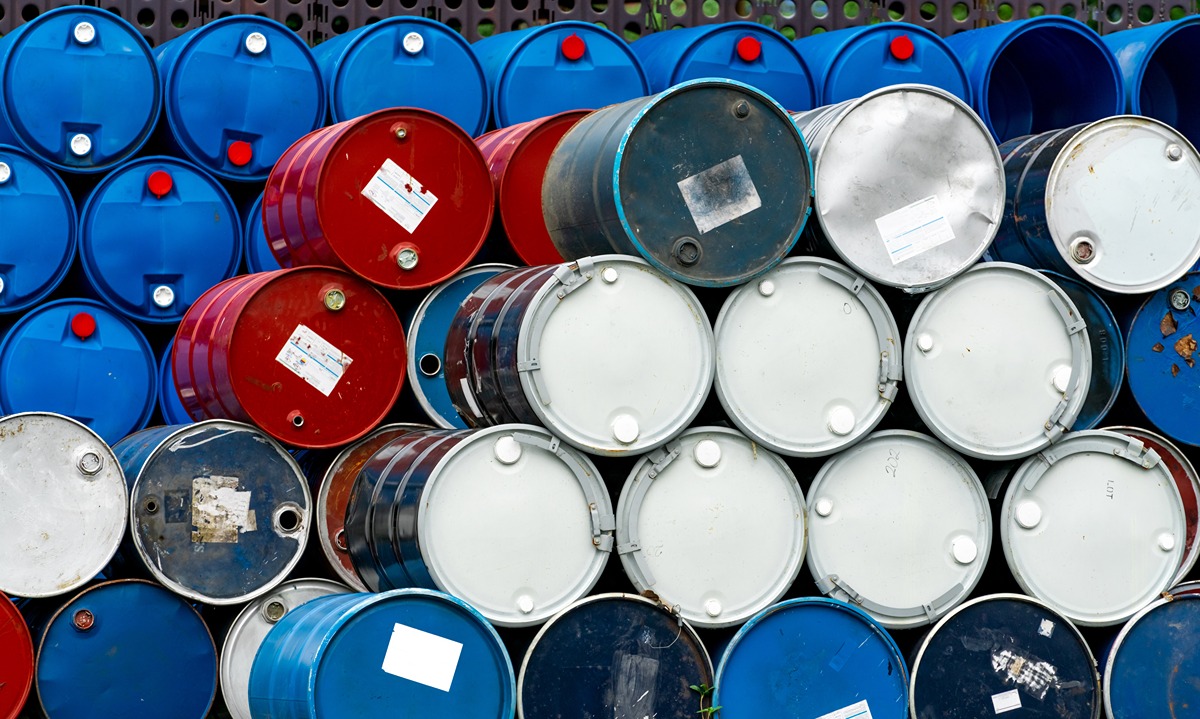
The natural gas memo addresses gathering and transmission pipelines, compression, processing plants, underground storage, LNG liquefaction, storage and marine load, export facilities, and critical distribution infrastructure. And a separate petroleum memo covers “exploration and production, gathering and transmission pipelines, storage, and marine terminals.”
In the memo focused on coal, Trump declares that myriad aspects of the sector—from supply chains and baseload power to mining and rail and barge logistics—are “industrial resources, materials, or critical technology items essential to the national defense.”
Rich Nolan, president and CEO of the National Mining Association, said Trump’s determinations recognize “the unique and irreplaceable attributes of coal to our nation’s power system” for military to advanced technologies, artificial intelligence, and more.
“Preserving the security that coal provides our grid is not only the right move given today’s global realities, but it’s also a key part of a truly comprehensive national security strategy,” Nolan said.
ClearView Energy Partners said in a client note Monday that it remains unclear how the administration plans to direct spending or whether funding activities such as engineering and permitting will prove sufficient to advance large-scale infrastructure projects.
“In theory, purchases, commitments, and support that provide capital to facilities that cannot access it otherwise, or cannot do so affordably, could change outcomes,” the energy research firm said.
The timing may be a result of concerns about energy affordability more than the Iran war, ClearView said.
“National leaders generally face pressure to demonstrate responsiveness to rising prices, and the action presents an avenue to that end,” it said.
Some environmentalists and public interest groups called the orders a “wish list” for fossil fuels.
“President Trump is abusing emergency authorities and wasting taxpayer resources through unprecedented abuse of the Defense Production Act to promote his politically favored fossil fuel projects at the expense of energy affordability and common sense,” said Tyson Slocum, director of Public Citizen’s energy program.