

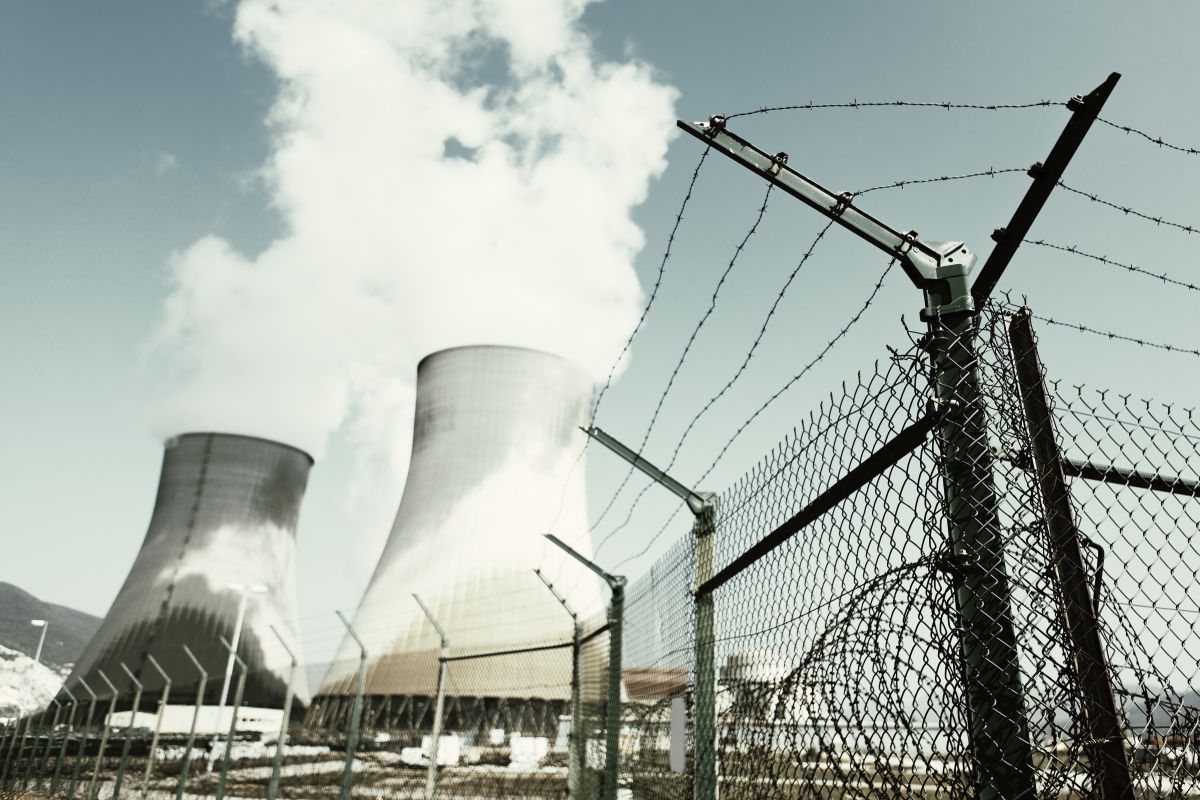
The United States’ Nuclear Regulatory Commission (NRC) has renewed the license for Diablo Canyon Power Plant (DCPP). This extends the plant’s operating license by an additional 20 years. The approval follows a transparent and public review process in which NRC concluded that the DCPP is safe and environmentally sound for extended operations. However, any extension after 2030 must still be approved by the California Legislature. This makes future operations subject to state-level policy decisions.
DCPP’s Contributions to California’s Clean Energy Mix
DCPP is a significant component of California’s energy mix, providing safe, reliable, and clean power to nearly four million people. It contributes almost 20 percent of the state’s clean energy generation and is the single largest source of carbon-free power in California. The Chief Executive Officer of Pacific Gas and Electric Company, Sumeet Singh, said of the approval, “the NRC’s thorough and thoughtful review underscores the strength of our commitment, and we are proud of Diablo Canyon’s continued role in supporting California’s focus on net-zero energy.”
NRC Perspective: A Step in the Right Direction
The DCPP license approval is a historic move by the NRC, marking the 100th license renewal for a commercial nuclear reactor. This authorization reflects years of NRC regulatory oversight and continued reliance on life extensions in the U.S. nuclear fleet. The NRC license renewal typically extends plant life by two decades beyond the 40 years of the original license and may be extended further. This is likely to remain vital to sustaining the U.S. nuclear fleet and grid amid heightened electricity demand.
Safety and Environmental Review Process
The license renewal procedure is a thorough, systematic examination aimed at ensuring safety and environmental security. In the case of DCPP, the review also included a detailed Safety Evaluation Report confirming that the plant complies with all federal safety requirements, as well as a Supplemental Environmental Impact Statement examining potential environmental and human health impacts.
In addition to these technical examinations, there were consultations with the public and stakeholders to gather broader input. Through these combined efforts, the NRC decided that the environmental impacts of continued operation are not so high as to outweigh the overall benefits.
Reasons Why DCPP is Important
DCPP is an important component of the California energy system due to its strong and consistent energy production. It produces nearly nine percent of the state’s total electricity and almost 20 percent of its carbon-free electricity, making it the largest producer of carbon-free power in California.
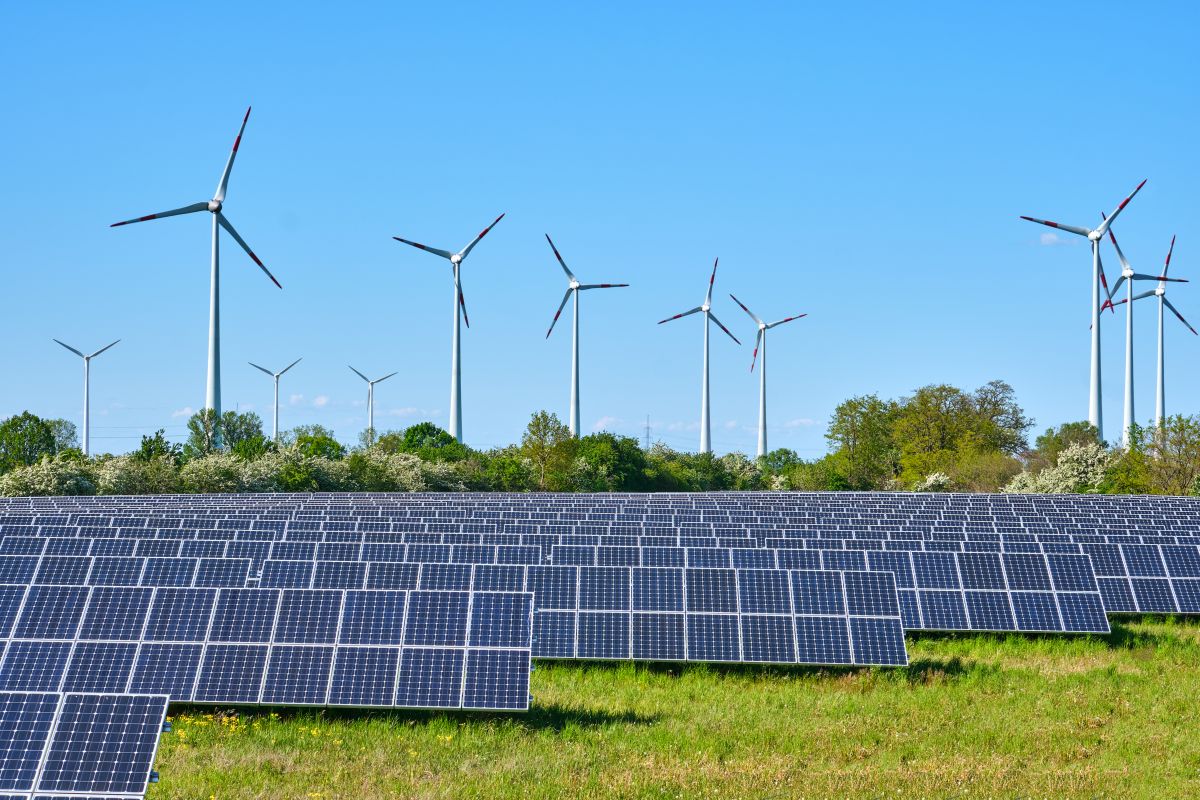
Nuclear power plants, such as DCPP, also play a significant role in stabilizing the grid, particularly during peak electricity demand. As California transitions to renewable power, a reliable baseload power source becomes even more important, serving as a buffer against the variability of other power sources, such as solar and wind.
Environmental and Economic Benefits
Continued operation of DCPP prevents major greenhouse gas emissions, with estimated annual financial gains of approximately $450 million.
Environmentally, its ongoing use will help reduce emissions equivalent to the carbon output of around 1.6 million cars annually. Such advantages make the plant more crucial to California’s clean energy goals and to grid stability.
Federal and State Regulatory Considerations
Even though the NRC approval will be a major milestone at the federal level, state-level approvals will also play a key role in DCPP’s long-term success. The current policies have given the plant a chance to operate through 2030, but operating beyond that year would require further legislative and regulatory decisions in California.
Broader Implications on the U.S. Nuclear Industry
The 100th license renewal reflects a current trend in the United States, where older nuclear plants are being renewed to meet changing energy needs. Most facilities built in previous decades are seeking to renew their terms as electricity demand grows due to the expansion of data centers and increased electrification.
Meanwhile, the more ambitious clean energy goals are compelling policymakers to maintain access to carbon-free power sources. Increasing the operating lifetimes of existing nuclear plants is more cost-effective than constructing new ones, and license renewal is a cost-effective strategy for the future of the U.S. energy landscape.
Conclusion
The NRC’s successful license renewal for DCPP is a major milestone in U.S. nuclear regulation. The 100th license renewal shows how nuclear energy is reliable, safe, and sustainable in the rapidly evolving energy sector. Regulatory and policy issues remain, but the long lifespan of DCPP underscores the importance of nuclear energy as a means of providing low-carbon electricity in the future.
FAQs
1. What are the key drivers of the U.S. electricity market in 2026?
2. How is renewable energy expected to impact the U.S. electricity market in 2026?
3. Will electricity demand increase in the U.S. by 2026?
4. What challenges could affect the U.S. electricity market in 2026?
5. How are utilities preparing for the future electricity market?
Disclaimer: Any opinions expressed in this blog do not necessarily reflect the opinions of Certrec. This content is meant for informational purposes only.