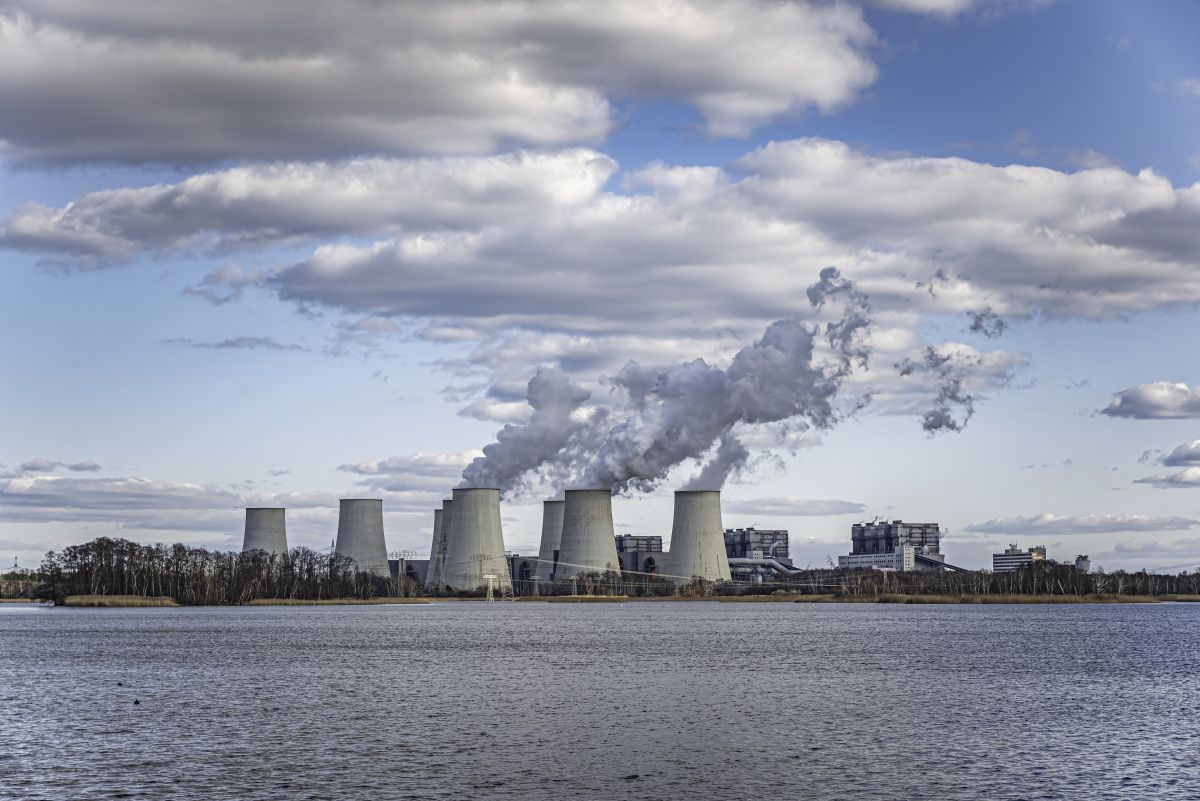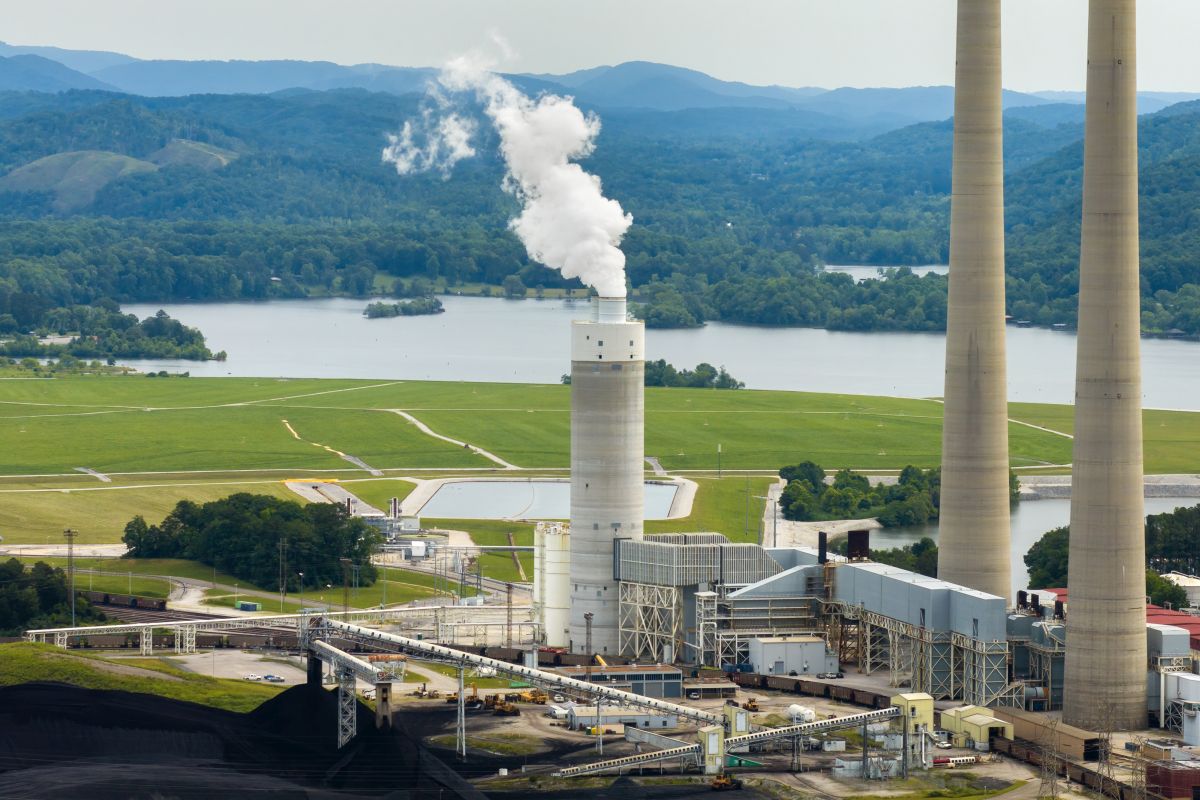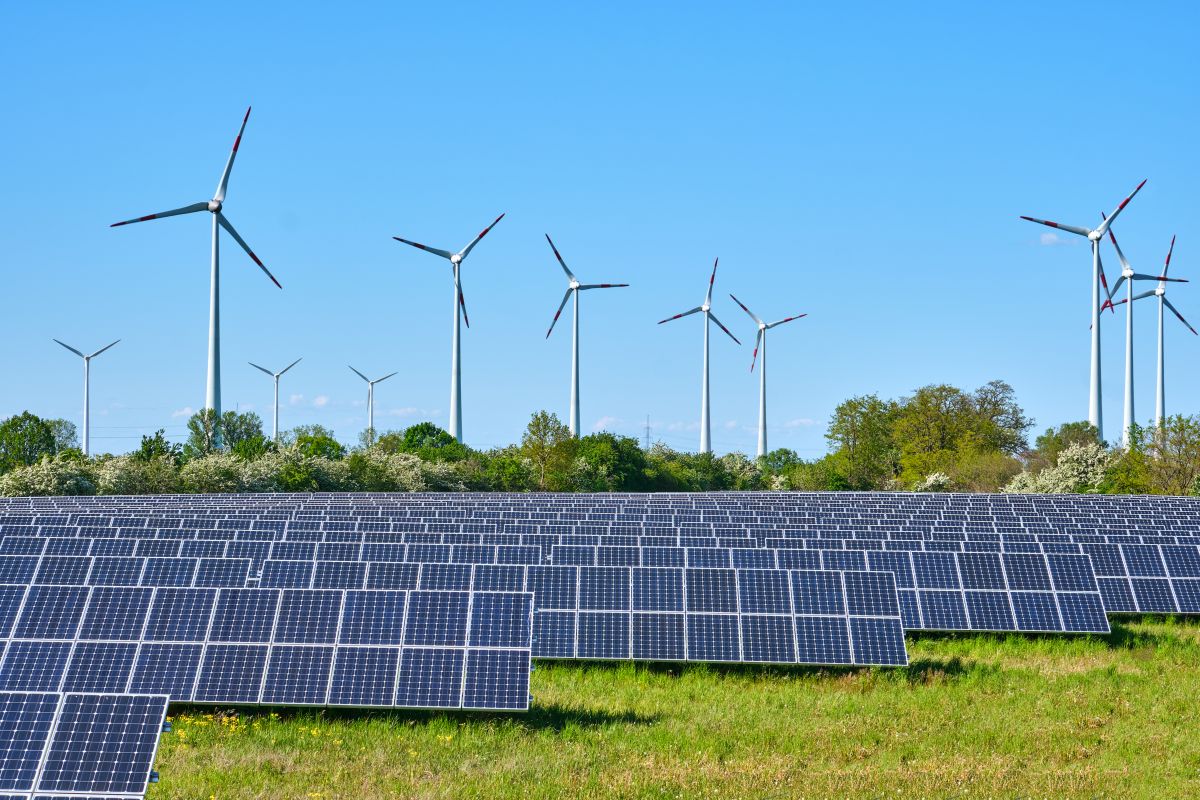



The global energy shift has increased demand for advanced nuclear technology, particularly microreactors. In contrast to conventional nuclear power plants, which generate hundreds or thousands of megawatts, microreactors are small-scale systems that typically generate up to 20 megawatts (MW).
Executive actions in 2025 accelerated DOE reactor pilot programs, causing the microreactor industry in America to enter its most significant year since its inception. From military installations in Montana to data centers in Texas, there has never been greater demand for reliable, carbon-free, off-grid power and microreactors built to meet it.
Key U.S. Nuclear Microreactor Projects
Several American companies and national laboratories are developing new microreactors by the year 2026. Such designs feature High-Assay Low-Enriched Uranium (HALEU) fuels, passive safety, and transportable designs.
According to the U.S. Department of Energy, microreactors produce 1-20+ megawatts of energy that could be used directly as heat or converted to electric power. They are modular and designed for transportability and faster deployment than conventional reactors.
Here are ten U.S. nuclear microreactor projects currently in development.
1. Aurora Microreactor
One of the most notable microreactor projects in the United States is the Aurora reactor. It is a high-speed sodium-cooled reactor capable of producing 1.5-75 MW of power.
Aurora is fueled by metallic HALEU and cooled with liquid sodium, which allows it to operate efficiently at high temperatures. It will first be deployed at Idaho National Laboratory, where it will demonstrate that compact advanced reactors can be used commercially.
The Oklo company has an agreement with the U.S. Air Force to install a microreactor in Alaska and has signed a supply deal with Siemens Energy.
2. eVinci Microreactor
The eVinci microreactor is a nuclear battery that uses a heat-pipe cooler and can produce approximately 5 MW of electricity. It is a TRISO-fueled, passive heat pipe technology that allows heat transfer to the reactor core without water cooling.
The eVinci is factory-built and fully assembled before shipment. Westinghouse is one of eight companies selected under the DOD’s ANPI program, with deployments targeted at select U.S. military bases. The eVinci’s passive safety design and fuel resilience make it a strong candidate for both domestic and remote international deployments.
Key advantages include eight years or more of operation without fuel, a transportable design, and minimal infrastructure requirements.
3. Kaleidos Microreactor
The reactor is a small-scale, high-temperature gas-cooled reactor with approximately 1.2 MW of electrical output. It can be packaged into a standard shipping container and deployed quickly to distant locations.
This system is also intended to replace diesel generators in military camps, hospitals, and remote communities, and can operate for approximately 5 years before refueling.
4. Antares R1 Microreactor
The microreactor deploys quickly for critical mission capabilities on Earth, in space, and underwater. It can generate 200 kW to 1MW of electricity without refueling for at least three years. The reactor concentrates on critical infrastructure resilience and energy security. Its small size focuses on simplified systems, allowing it to be installed faster and operated with less complexity.
Antares is developing a rapidly deployable microreactor with critical infrastructure resilience as its core purpose, including potential applications in space.
5. Aalo-X Microreactor
Aalo Atomic’s Aalo-X is a sodium-cooled reactor that will be experimentally deployed at 10 MW of electric power. The project is participating in the DOE advanced reactor pilot programs.
Along with Terrestrial Energy and Natura Resources, Aalo is also pursuing research activities at Texas A&M University’s RELLIS campus.
6. Deep Fission Gravity Microreactor
Deep Fission proposes a design in which the reactor would be located at the bottom of the ground and produce approximately 15 MW of electricity. This layout enhances containment and security while minimizing surface infrastructure requirements.
The reactor is developed in accordance with DOE pilot programs focused on innovative nuclear technologies.
7. Natura Resources Microreactor
Natura Resources plans to implement a molten-salt microreactor to generate electricity and conduct research. Low operating pressure enables the molten-salt reactor to have better thermal efficiency and natural safety features.
Natura Resources is backing Abilene Christian University’s development of a small Molten Salt Research Reactor. This pioneering academic and commercial initiative received $120 million in direct state appropriations from the state of Texas. Natura is also developing its own commercial reactor design in parallel.
8. Valar Atomics Microreactor
Valar Atomics is developing a small microreactor concept to test and demonstrate quickly within DOE programs. The company focuses on simplified design and modular deployment strategies, producing approximately 5 MW of electricity.
Valar Atomics is reported to have raised $450 million at a $2 billion valuation to develop small modular reactors purpose-built for AI data center workloads.
9. Last Energy Reactor
Last Energy is developing small modular nuclear reactors for industrial clients and distributed power systems, generating approximately 20 MW of electricity. The company focuses on factory-built parts and modular construction to save time and money and speed up deployment.
10. KRONOS Micro Modular Reactor
The microreactor is a high-temperature gas-cooled research reactor design that produces approximately 15 MW of electricity. In 2026, a proposed project aims to build a KRONOS-based reactor in a research facility at the University of Illinois Urbana-Champaign. The project aims to use microreactor technology in research, training, and distributed energy applications.

Conclusion
One potential innovation in the dynamic energy industry is the nuclear microreactor. The ten microreactor projects described in this blog are more than engineering achievements; they would herald a paradigm shift in how America considers energy security, clean power, and nuclear technology. These systems reliably deliver clean energy to areas where traditional power plants are infeasible due to their combination of small size, passive safety, and modular deployment.
FAQs
1. What are the key drivers of the U.S. electricity market in 2026?
2. How is renewable energy expected to impact the U.S. electricity market in 2026?
3. Will electricity demand increase in the U.S. by 2026?
4. What challenges could affect the U.S. electricity market in 2026?
5. How are utilities preparing for the future electricity market?
Disclaimer: Any opinions expressed in this blog do not necessarily reflect the opinions of Certrec. This content is meant for informational purposes only.