


The U.S. Department of Energy’s Pacific Northwest National Laboratory (PNNL) has launched a new initiative aimed at helping grid operators respond to growing cyber and physical threats against the nation’s electric system as electricity demand and grid complexity continue to rise.
The new effort, called Enhanced Visibility and Event Response, or EVE@PNNL, will combine artificial intelligence-driven analytics, grid simulations, and advanced monitoring technologies to help utilities and government agencies detect disruptions and respond more quickly to attacks or emergencies.
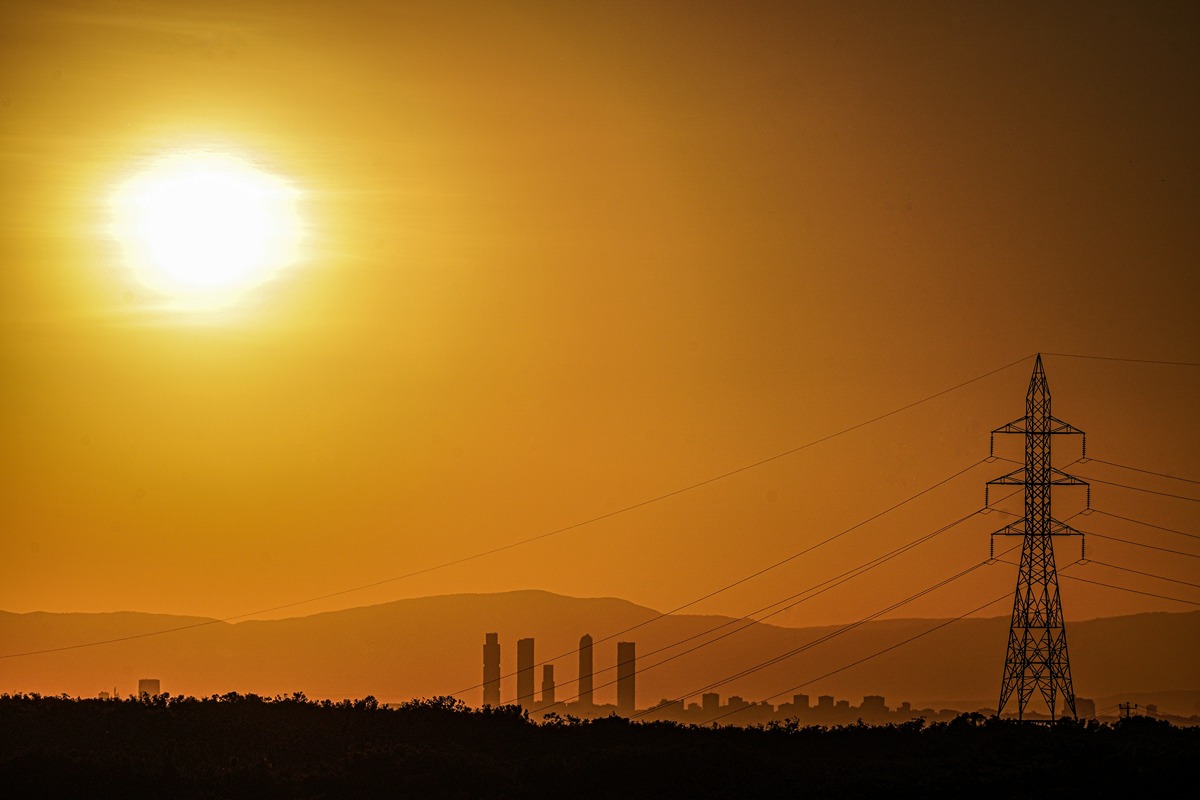
“The United States electrical grid faces two main challenges: nation-state adversaries and our country’s lack of visibility into the underlying physics in the system,” Bruce Walker, a PNNL advisor, said May 7. “Although we have deployed significant protection and control schemes tailored to the existing grid, the fundamental behavior of the grid is significantly changing, which is challenging the existing controls.”
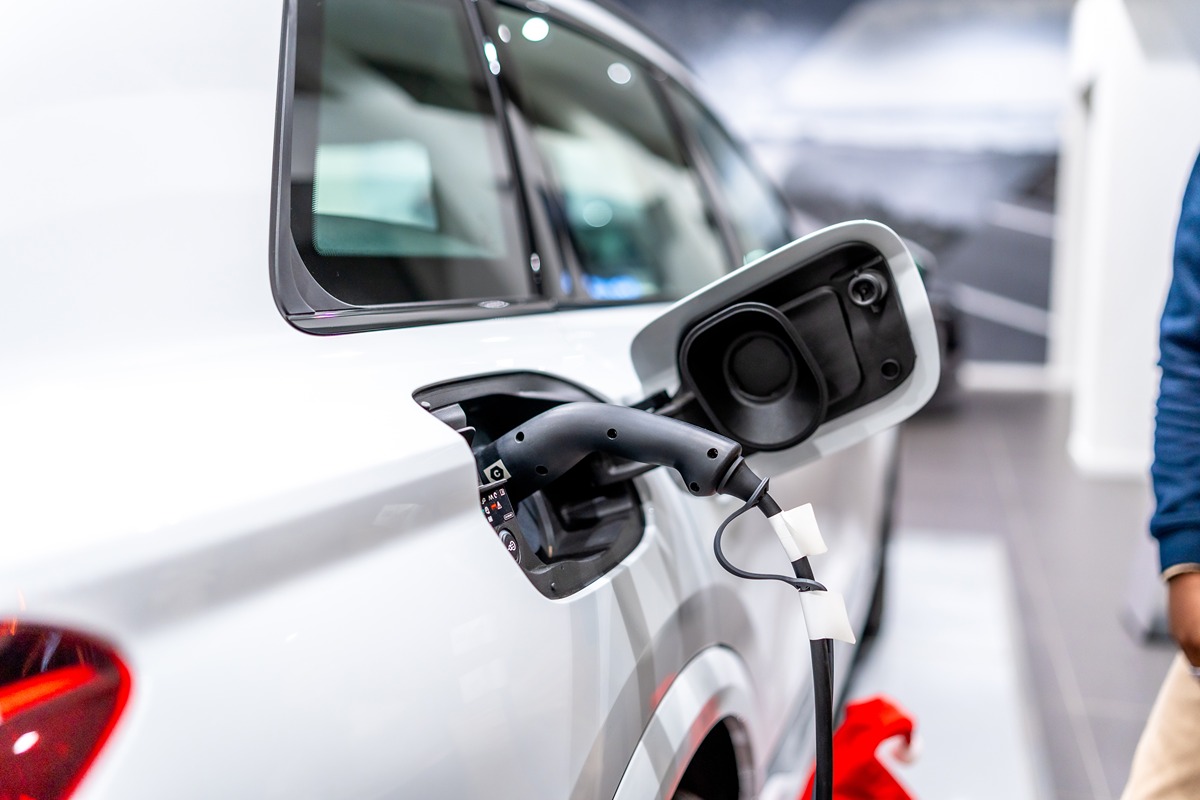
The nation’s electric grid was originally designed around predictable electricity demand and one-way power flows from large generators to customers. But the system has evolved rapidly in recent years as homes, businesses, batteries, and electric vehicles increasingly both consume and supply electricity to the grid.
At the same time, electricity demand is growing because of manufacturing, national security needs, data centers, and broader electrification trends, increasing concerns about grid reliability and resilience.
PNNL said EVE@PNNL will build on decades of grid modernization and national security research at the laboratory, including work dating back to 2003 on synchronized grid measurement technologies that helped operators better monitor the health and dynamics of the bulk electric system.
Initially, the initiative will operate from the laboratory’s Electricity Infrastructure Operations Center, a utility-grade grid control room simulator used by researchers and industry partners to model grid operations.
The program is expected to later expand into PNNL’s new National Security Research Center, currently under construction in Richland, Wash.
Researchers said AI tools could help operators manage massive amounts of incoming data and improve responses during emergencies ranging from cyberattacks to wildfires.
“We need tools like AI to help humans in the control room manage large amounts of incoming data,” said Todd Hay, a data and software engineering researcher at PNNL. “Especially for national security purposes, we want to maintain mission assurance. We want to ensure that the planes will fly, that the ships can launch, that the military can operate regardless of whether there’s a wildfire or an attack on the grid.”
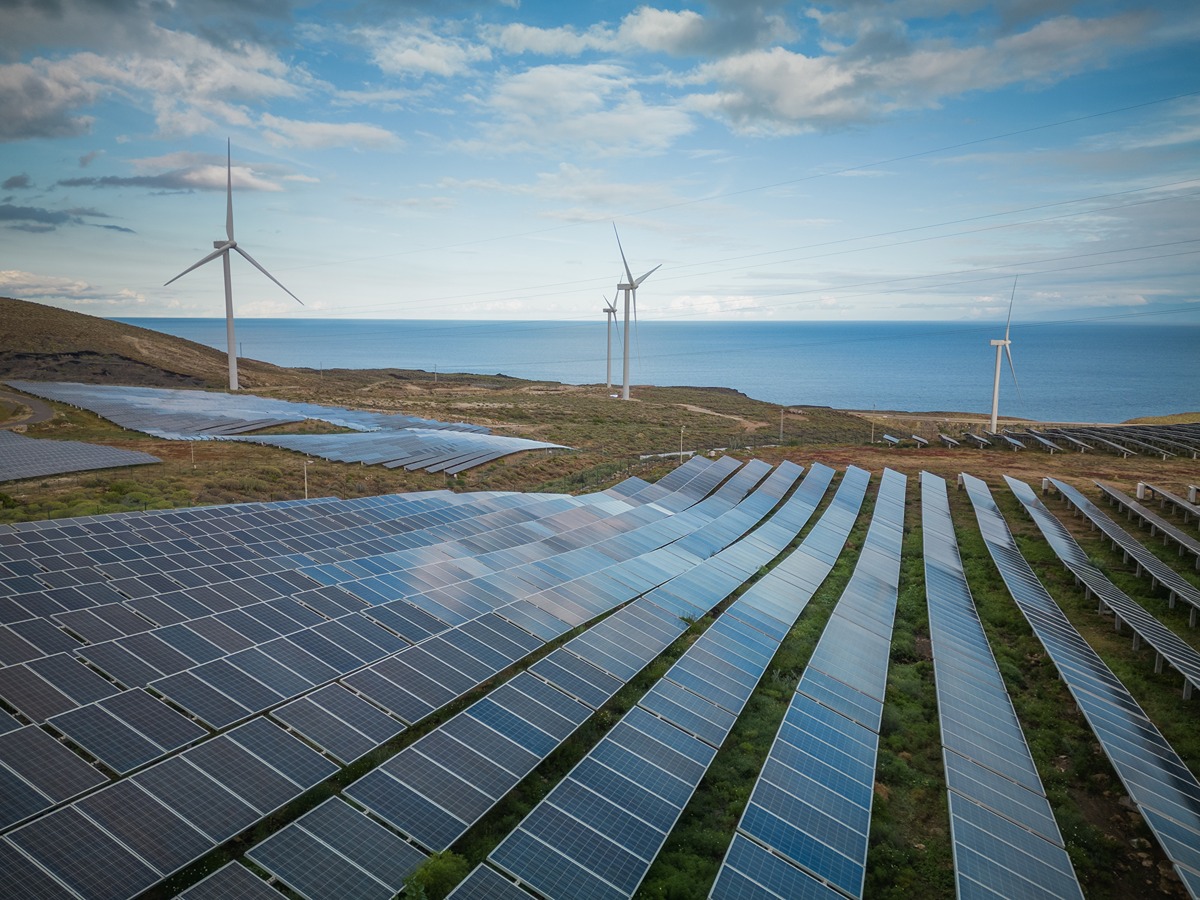
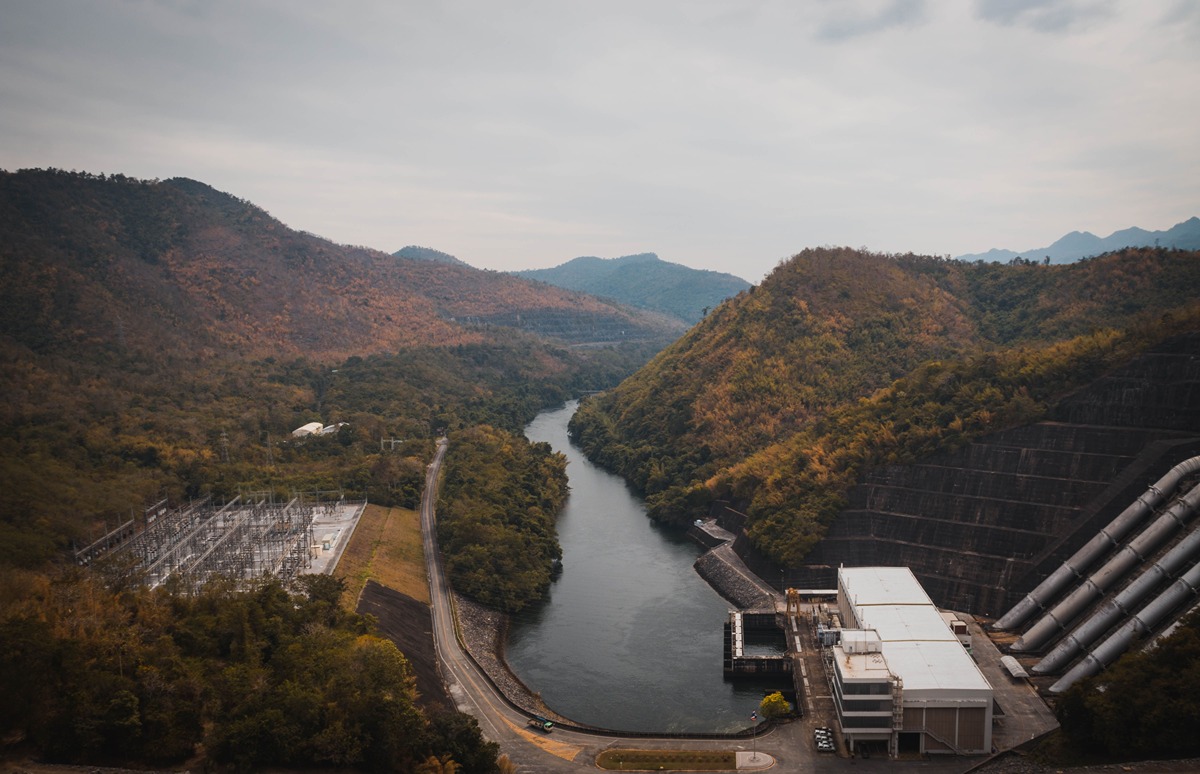
According to PNNL, AI systems developed through EVE@PNNL could help determine where electricity should be routed, what portions of the grid should be isolated during disruptions, and which generation resources—including natural gas, hydropower, batteries, or distributed energy resources—are best suited for specific operating conditions.
The laboratory said the effort is also intended to increase confidence among utilities considering the use of AI inside grid control rooms.
“We want to be a test bed, to help bridge the gap between technology innovation and adoption without real-world consequences,” added Walker. “We want to bring grid operators to PNNL and explore these new capabilities in a trusted environment.”
PNNL said EVE@PNNL aligns with the Energy Department’s Genesis Mission, which is focused on accelerating scientific discovery, energy innovation, and national security capabilities through AI-powered technologies.
The laboratory said the initiative will ultimately support a broader national effort involving other national laboratories, federal agencies, power marketing administrations, and critical infrastructure operators to strengthen the security and resilience of the U.S. bulk electric system against increasingly sophisticated threats, including cyber intrusions, physical attacks, and communication manipulation.