


Duke Energy’s H.B. Robinson Nuclear Plant has received approval from the U.S. Nuclear Regulatory Commission (NRC) to allow operation through 2050. This decision marks the fastest subsequent license renewal review in NRC history, completed in a record 12 months. It highlights growing momentum for nuclear energy as the United States faces rising electricity demand.
Robinson Nuclear Plant – A Longstanding Pioneer
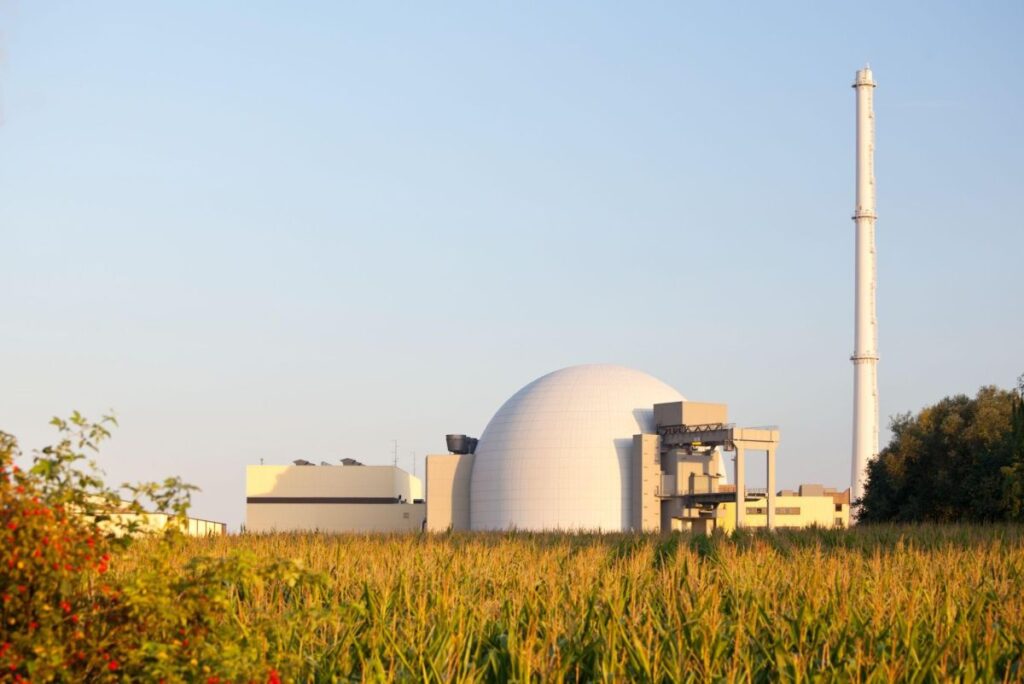
H.B. Robinson Steam Electric Plant, Unit 2, is one of the earliest commercial nuclear plants in the U.S. It is an operating Pressurized Water Reactor (PWR) near Hartsville, South Carolina, with a net capacity of 759 MW. The plant generates enough electricity to power approximately 570,000 homes. It was originally granted a 40-year license and was extended by 20 years at its first renewal. Recently, it received its second 20-year operating approval, extending its operation until July 2050.
Record-Breaking Review and Its Impact on U.S. Nuclear Policy
H.B. Robinson’s Subsequent License Renewal was reviewed in less time than is normally required. The review process usually takes about 18 months (or longer), although Robinson’s review was completed in about 12 months. The shorter timeframe reflects streamlined federal review timelines and lessons learned from prior license renewals. Faster approvals provide greater certainty for utility planning and more confidence in decision-making for maintenance investments and future grid reliability.
The extension supports long-term grid reliability and low-carbon electricity generation. Nuclear power is a low-carbon energy source that is independent of weather conditions and has one of the highest capacity factors among power generation sources. As a low-carbon energy source, nuclear power plays an increasingly important role in meeting global demand for data centers, AI infrastructure, and industrial electricity production while reducing greenhouse gas emissions.
Robinson’s subsequent license renewal reflects growing regulatory confidence for extending the life of nuclear power plants rather than prematurely retiring them. It also indicates a commitment to more efficient regulatory procedures, which can promote further investment in nuclear energy. About half of the electricity of customers in the Carolinas comes from Duke Energy’s nuclear fleet, which includes Robinson.
Plant Impact and Performance
The table below shows some of the plant’s major contributions, including energy production, economic support, infrastructure investments, and the long-term value of operations.
Area | Key Points | Details |
Energy Role | Reliable baseload power | Duke Energy’s nuclear fleet, including Robinson, supplies roughly half of the electricity used in the Carolinas. |
Power Output | Energy Production | 759 MW, powering nearly 570,000 households. |
Cost Efficiency | Long-term value | License renewal supports cost-effective generation and reduces costs over time. |
Economic Impact | Regional economic support | Increases Darlington County’s and the Pee Dee region’s economy. |
Employment | Job creation and stability | Supports nearly 500 well-paying jobs. |
Infrastructure | Investment in upgrades | $1.7 billion invested to maintain safety and performance. |
Local Contribution | Tax revenue | Contributes around $28 million annually in local taxes. |
Regulatory Checks and Safety
The NRC has made thorough safety and environmental evaluations before granting an extension. These regulatory checks include aging management programs, system checks, and upgrade verification programs. With continued regulation, U.S. nuclear plants have among the highest safety benchmarks of any energy-sector plants, and they will maintain high standards throughout their extended operating lives.
Challenges and Concerns
Robinson’s license extension is a welcome development, but there are still several challenges for the nuclear industry:
Challenge | Description | Why it Matters |
Nuclear Waste | Nuclear waste disposal requires the long-term, safe disposal of high-level radioactive spent fuel. | Requires security and constant control. |
Aging Infrastructure | Aging plants often need continuous modernization and repairs. | These requirements can lead to higher costs and long-term financial commitments. |
Public Perception | There are still safety concerns from some, though in recent years, public perception has shifted in a positive direction. | It may affect policy choices and the adoption or expansion of nuclear power. |
Technology development, supportive policies, and increased public involvement will be central to continued growth.
Future of Nuclear Energy in the U.S.
The renewal of Robinson’s nuclear plant license will provide a good model for other plants undergoing the renewal process. It is also part of a broader expansion of advanced nuclear technologies, including the potential for more flexible and scalable technologies such as SMRs.
Overall, nuclear energy can contribute to a low-carbon, reliable energy mix by extending the lifetimes of existing nuclear plants and deploying new ones to meet the economy’s energy and climate needs.
Conclusion
Robinson Nuclear Plant achieves a major milestone by securing a 20-year extension. This extension demonstrates the feasibility of safely operating existing nuclear power plants for 80 years. The approval also demonstrates how more standardized review processes may accelerate future license renewal decisions while maintaining safety oversight. As electricity demand grows, regulators and Duke Energy are collaborating to ensure a clean, reliable electric service for future generations. Robinson’s renewal also strengthens the case for extending the operating lives of other U.S. nuclear plants as electricity demand continues to grow.
FAQs
1. What are the key drivers of the U.S. electricity market in 2026?
2. How is renewable energy expected to impact the U.S. electricity market in 2026?
3. Will electricity demand increase in the U.S. by 2026?
4. What challenges could affect the U.S. electricity market in 2026?
5. How are utilities preparing for the future electricity market?
Disclaimer: Any opinions expressed in this blog do not necessarily reflect the opinions of Certrec. This content is meant for informational purposes only.