


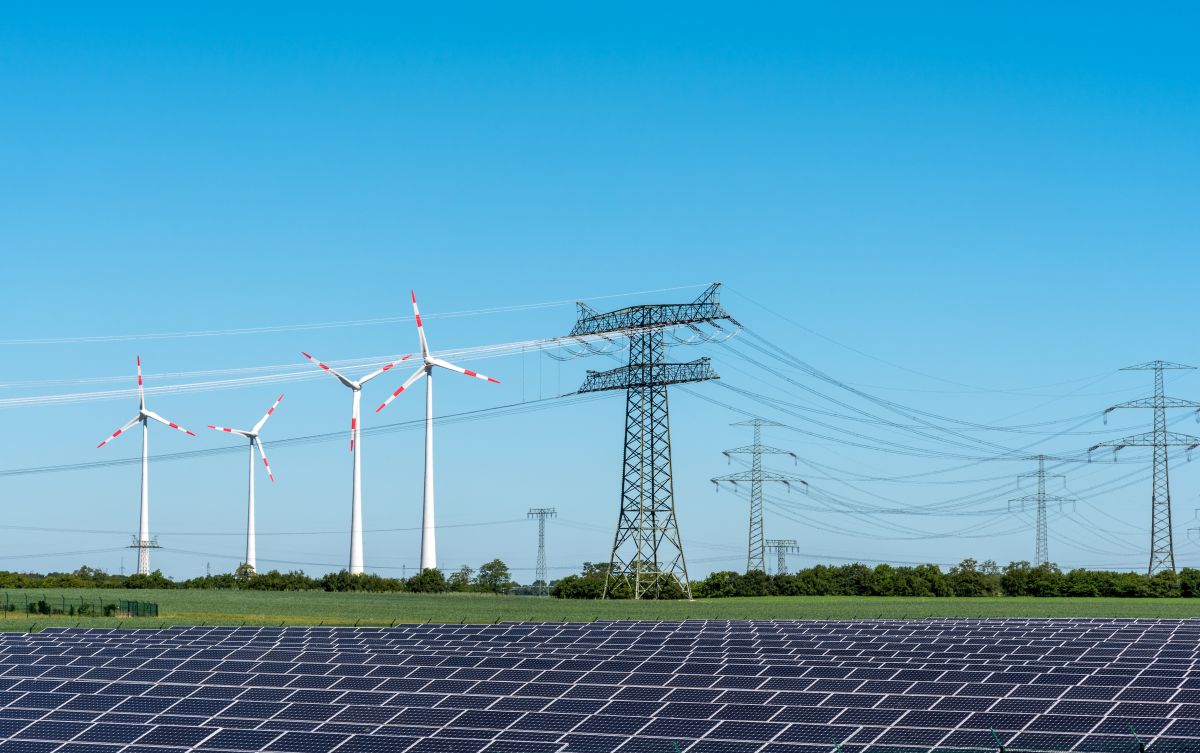
The North American power grid is transforming due to the rapid growth of wind, solar, and battery storage. These energy sources are now central to grid operations; however, their adoption also creates new technical and regulatory challenges for the Bulk Electric System (BES). Renewable resources, such as inverter-based resources (IBRs), behave differently from traditional generators. They impact grid stability, fault response, and system planning. Utilities and operators must adapt to this reality. To meet these challenges, managers and operators need to follow NERC standards. These standards provide the framework to keep the grid reliable and secure.
The Growing Role of Renewables in the BES
Renewables account for the majority of new capacity additions in North America and play an increasingly central role in BES operations. The BES relies on solar and wind resources and energy storage. IBRs, such as solar PV, battery storage, and some wind turbines, use power electronics instead of rotating machines, changing how they behave under fault or frequency conditions
NERC has drafted new standards, such as PRC-028, PRC-029, and PRC-030, which aim to address protection coordination, ride-through capability, and disturbance monitoring for IBRs. Entities should proactively evolve compliance programs to reflect modern system realities.
Key Compliance Challenges
1. Inverter-Based Resource Modeling and Validation
One of the most significant challenges is ensuring accurate models for IBR performance. Unlike synchronous machines, IBRs do not provide predictable fault currents. When models are poor or incomplete, they can create coordination issues. They may trigger noncompliance findings during model validation or disturbance performance reviews. Audits increasingly rely on validated models that reflect actual equipment behavior under disturbance conditions.
2. Protection System Coordination
Protection coordination is becoming more complex with mixed fleets of traditional and renewable assets. Standards like PRC-029-1 demand that utilities prove that protection systems are coordinated. This is very important to minimize protection system misoperations that could lead to cascading outages. Their high dynamic response and low fault current capability may complicate the coordination study. This increases the burden of documentation and audit preparedness.
3. Data and Evidence Management
Renewables produce large volumes of operational information. This involves real-time inverter performance and ride-through. The process of such data being organized to comply can strain current systems. Registered entities are expected to demonstrate compliance through audit-ready records, as required by Regional Entities operating under NERC oversight. Renewable-heavy fleets now need to increase their documentation practice to meet these requirements.
4. Cybersecurity of Distributed Assets
As renewable facilities expand, digital control systems are increasingly used. This makes Critical Infrastructure Protection (CIP) standards more important than ever. Compliance managers focus on securing communication networks. Additionally, securing remote access and inverter control platforms from cyber threats is crucial.
Best Practices for Renewable-Driven NERC Compliance
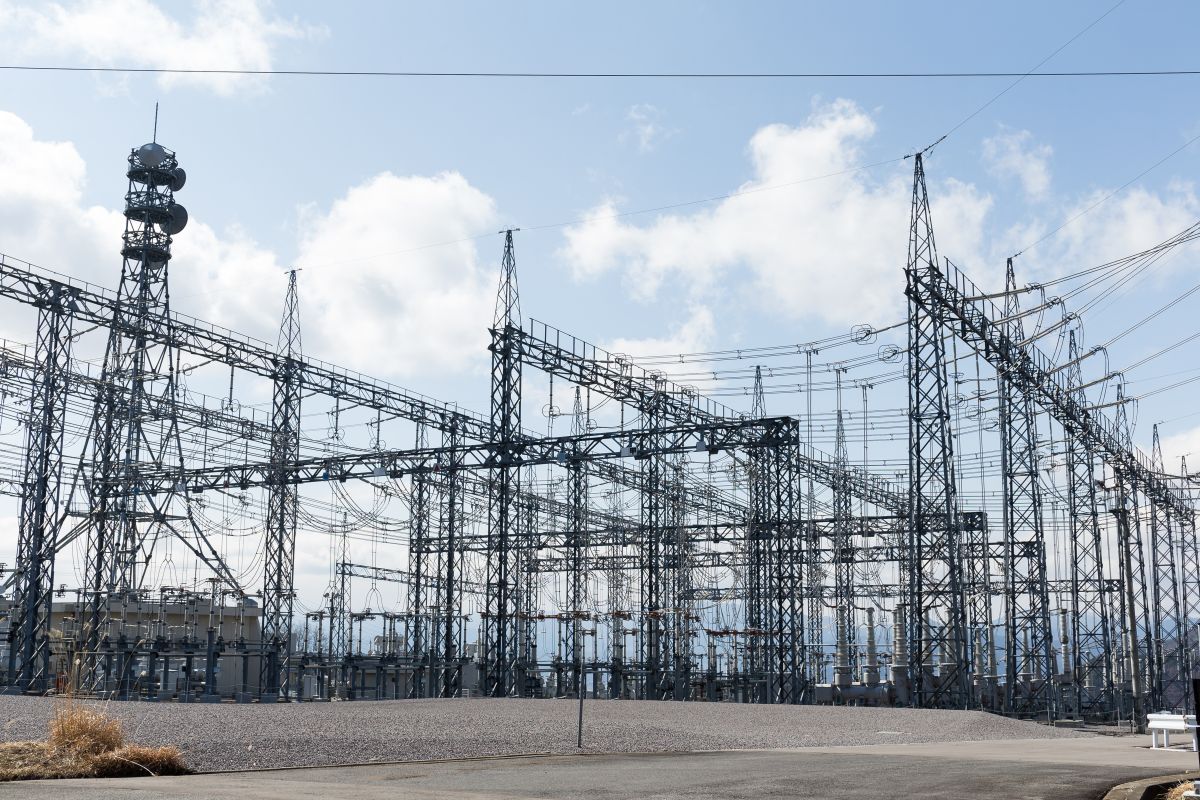
1. Strengthen Model Verification Processes
Utilities and generation owners should work closely with equipment manufacturers. This ensures models accurately reflect real-world performance. Periodic testing and validation against actual disturbance data are critical to maintaining compliance.
2. Update Protection Studies Regularly
Protection systems must adapt, given the shifting resource mix. Reviewing protection settings and document updates by entities demonstrates compliance with PRC standards.
3. Implement Robust Evidence Management Systems
SaaS tools, such as Certrec’s CATS, centralize and simplify compliance evidence, tracking, and reporting. Automating document control reduces the risk of missing records during an audit.
4. Integrate Cybersecurity into Reporting Operations
Compliance programs should include routine assessments of renewable facilities against CIP requirements. Implementing strict access controls, network monitoring, and patch management maintains security and compliance.
5. Train Staff on Emerging Standards
As NERC issues new standards for IBRs, staff must stay informed. Training helps compliance teams, operators, and engineers know their responsibilities and change practices.
Conclusion
The shift to renewable energy is reshaping both power generation and regulatory compliance. For NERC-regulated entities, this change introduces new demands. These include model validation, protection coordination, evidence management, and stronger cybersecurity. Utilities and generators can succeed with renewables if they address compliance in advance. Success hinges on rigorous verification methods, proactive planning, applying the latest studies, and efficient data systems. Continuous personnel training is also critical. These steps keep the BES reliable and prevent costly fines.
FAQs
1. Why do Inverter-Based Resources (IBRs) create compliance challenges?
2. What is the biggest compliance risk with renewables?
3. How do renewables affect protection system studies?
4. Why is data management so critical in renewable-heavy fleets?
5. What role does cybersecurity play in renewable compliance?
Disclaimer: Any opinions expressed in this blog do not necessarily reflect the opinions of Certrec. This content is meant for informational purposes only.