

In the continuous quest for sustainable energy sources, nuclear technology has played a foundational role. The face of nuclear energy is rapidly evolving, with advanced nuclear reactor designs leading the way. These innovative designs promise enhanced safety through passive safety features, reduced waste through waste reduction, and increased efficiency, aligning perfectly with global sustainability and nuclear energy policy goals.
The U.S. Leads the Charge
The U.S. Department of Energy’s Advanced Reactor Demonstration Program (ARDP) has been instrumental in this shift. Designed to bolster domestic nuclear industry initiatives, ARDP accelerates the demonstration of advanced reactors, including advanced gas-cooled reactors. From advanced small modular reactors (SMRs) to innovative designs utilizing molten salts and high-temperature gases, the variety under development in the United States is truly impressive.
ARDP has recognized several companies and institutions for their pioneering reactor designs:
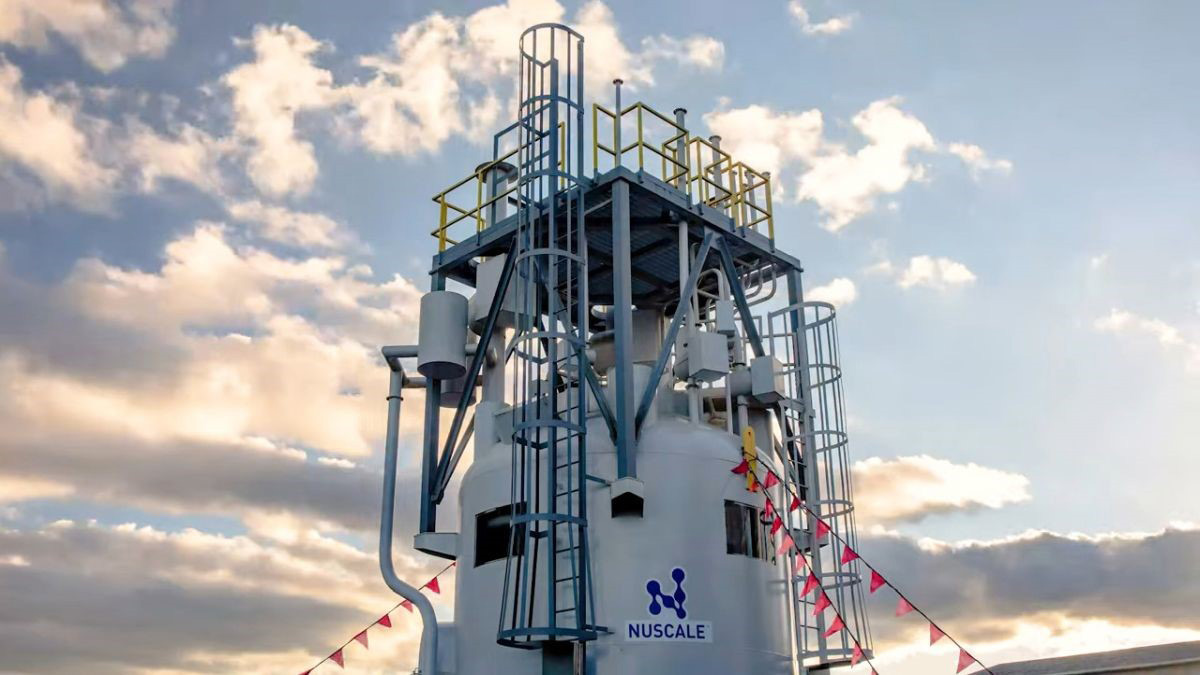
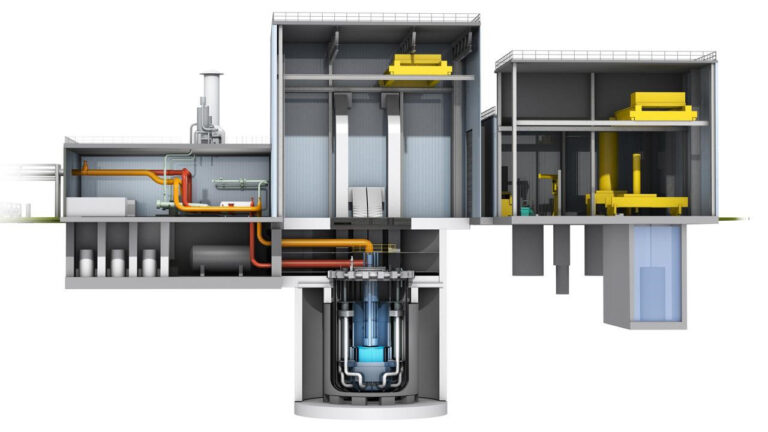
- NuScale‘s small modular reactor offers enhanced safety, reduced capital costs, and flexibility in deployment. Based on pressurized water reactor technology, this reactor can be factory-manufactured and transported to sites for assembly.
- TerraPower’s traveling wave reactor technology (TWR) stands out for its use of depleted uranium, capable of decades of operation without refueling. This not only reduces waste generation but also improves proliferation resistance.
- X-energy‘s HTGR design employs helium as a coolant, ensuring increased safety and efficiency, while Kairos Power’s KP-FHR design leverages molten salt reactors (MSRs) for fuel and cooling.
- Academic institutions aren’t far behind. For instance, Abilene Christian University is diving deep with its pebble bed modular reactor (PBMR) design, championing increased safety and deployment flexibility.
Benefits of Advanced Nuclear Reactors
Safety: A Paramount Concern
In light of historic incidents like Chernobyl and Fukushima, safety remains a significant concern for the nuclear realm. Advanced reactor designs have revolutionized this aspect. The Molten Salt Reactor (MSR), for example, is inherently safer due to its liquid fuel. In the event of overheating, a built-in freeze plug melts, leading the fuel into a cooling tank—a perfect illustration of passive safety features.
Maximizing Efficiency and Minimizing Waste
Traditional reactors, while effective, often harness only a fraction of their fuel’s energy potential. Advanced designs, like fast breeder reactors (FBRs), strive for optimal utilization by producing more fissile material than they consume.
Moreover, waste management, a long-standing challenge for nuclear energy, is being tackled head-on. Designs like the integral fast reactor (IFR) possess self-recycling capabilities, significantly reducing long-term storage needs.
Flexibility, Scalability, and Reduced Water Usage
Modern nuclear designs, including SMRs, are breaking barriers to flexibility and scalability. SMRs can be easily transported and assembled, proving invaluable for varying energy demands. As for environmental concerns, the use of helium as a coolant in high-temperature gas-cooled reactors (HTGRs) and advanced gas-cooled reactors mitigates the industry’s high water consumption rates.
Proliferation Resistance
Many contemporary reactor models add barriers to weapon proliferation. Sealed cartridges, isotope dilution, and integrated fuel recycling in quick succession impede misuse. Nuclear waste reduction also limits access to weaponizable materials.
Economic Potential
Streamlined, modular construction, like seen in the NuScale small modular reactor, and safer, more efficient operation can make advanced nuclear systems competitively priced. Shorter build times and enhanced functionality further improve the value proposition. High-temperature operations enable more electrical or thermal energy output.
Complementing Renewables
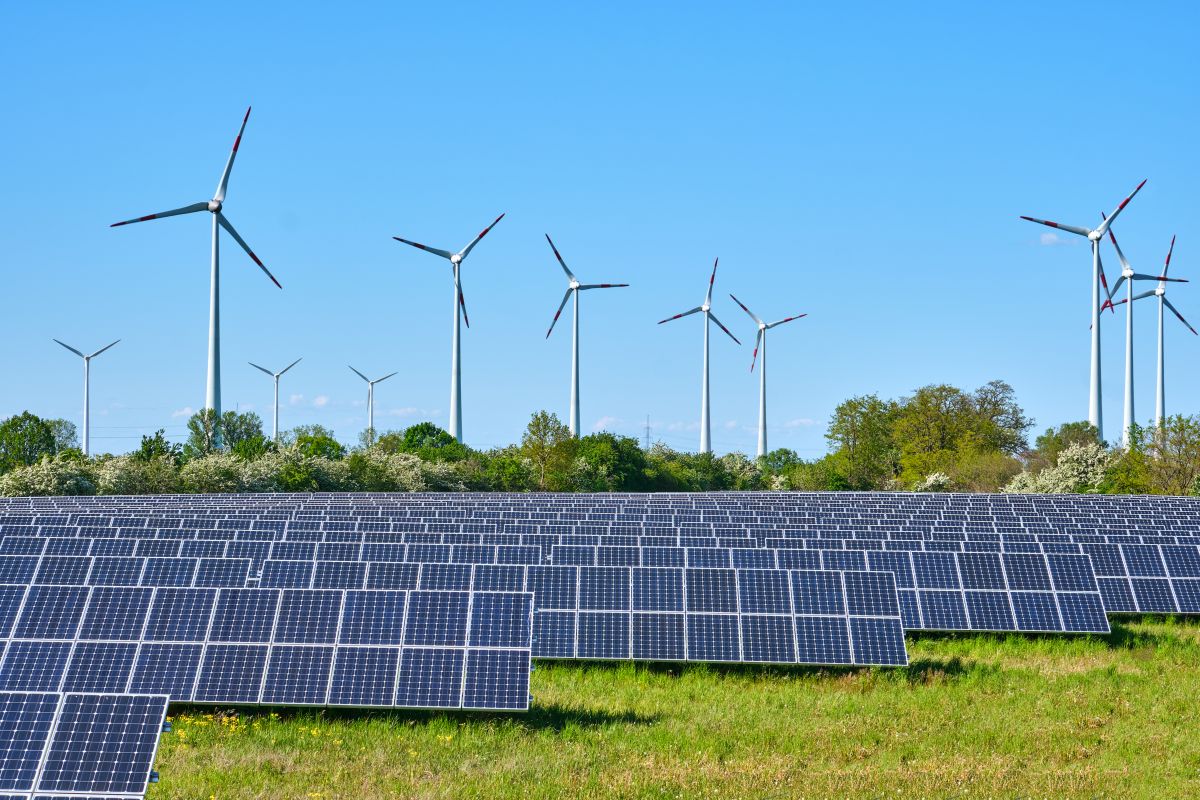
Advanced nuclear reactors provide steady, reliable baseload electricity to balance intermittent renewable sources like wind and solar. Their flexible power production integrates seamlessly with other green technologies.
While still in development, next-generation reactor designs promise benefits on multiple fronts: safety, efficiency, sustainability, flexibility, cost, non-proliferation, and reduced environmental impact. As advanced reactors gain greater investment and move closer to deployment, they offer an exciting nuclear renaissance, contributing to a low-carbon future. The future of nuclear energy is not just bright; it’s essential for a sustainable global future.
How does the U.S. Department of Energy’s Advanced Reactor Demonstration Program (ARDP) drive innovation in nuclear reactor designs?
What makes passive safety features in advanced nuclear reactors, like molten salt designs, more reliable than traditional systems?
How do small modular reactors (SMRs) provide flexible energy solutions compared to conventional nuclear reactors?
In what ways do advanced nuclear reactors, such as fast breeder reactors, improve fuel efficiency and reduce nuclear waste?
How do high-temperature gas-cooled reactors (HTGRs) using helium coolant contribute to environmental sustainability?
Disclaimer: Any opinions expressed in this blog do not necessarily reflect the opinions of Certrec. This content is meant for informational purposes only.