


The Stargate Project is a new company planning to invest $500 billion over the next four years to build new AI infrastructure for OpenAI in the United States. This infrastructure aims to secure American leadership in AI, create thousands of American jobs, and generate massive economic benefits for the entire world. This project will not only support the re-industrialization of the United States but also provide a strategic capability to protect the national security of America and its allies.
Massive Investment and Scale
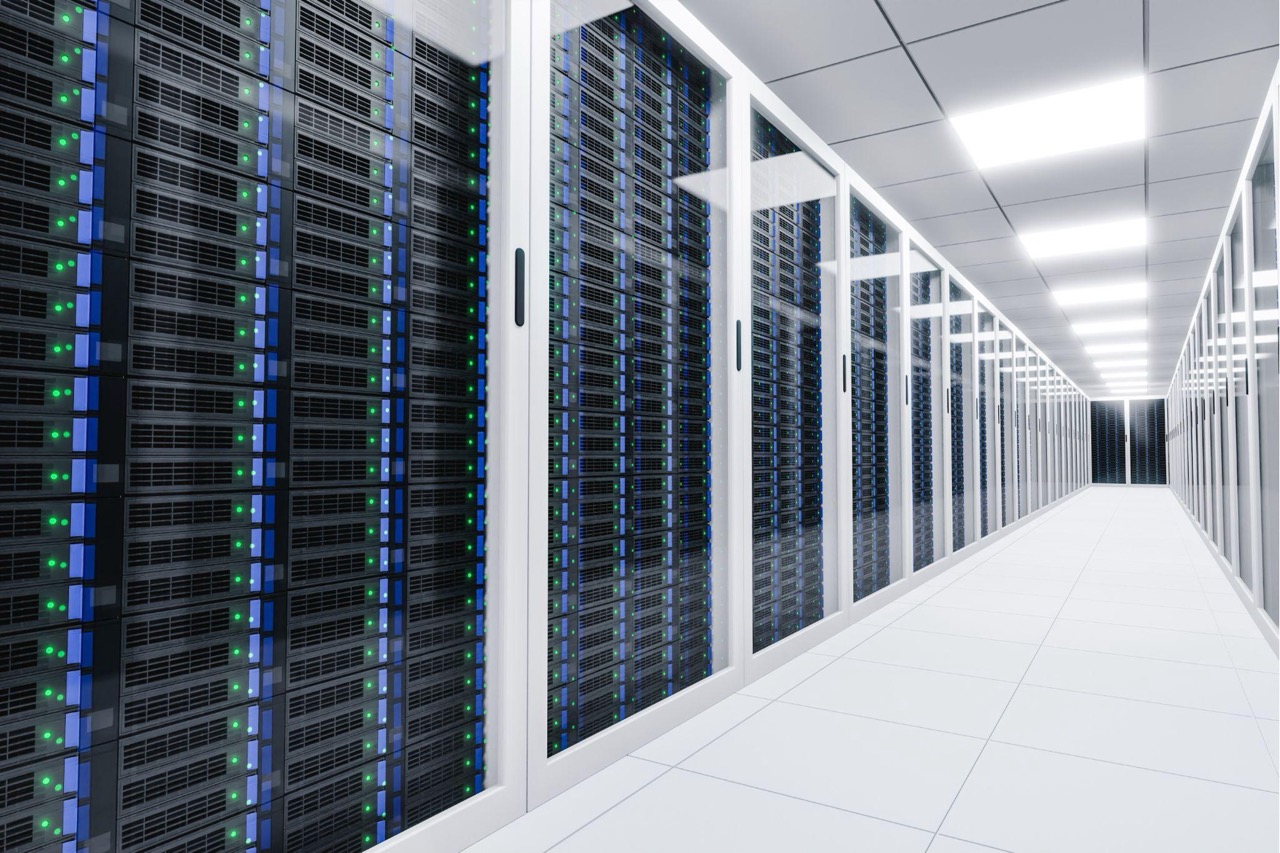
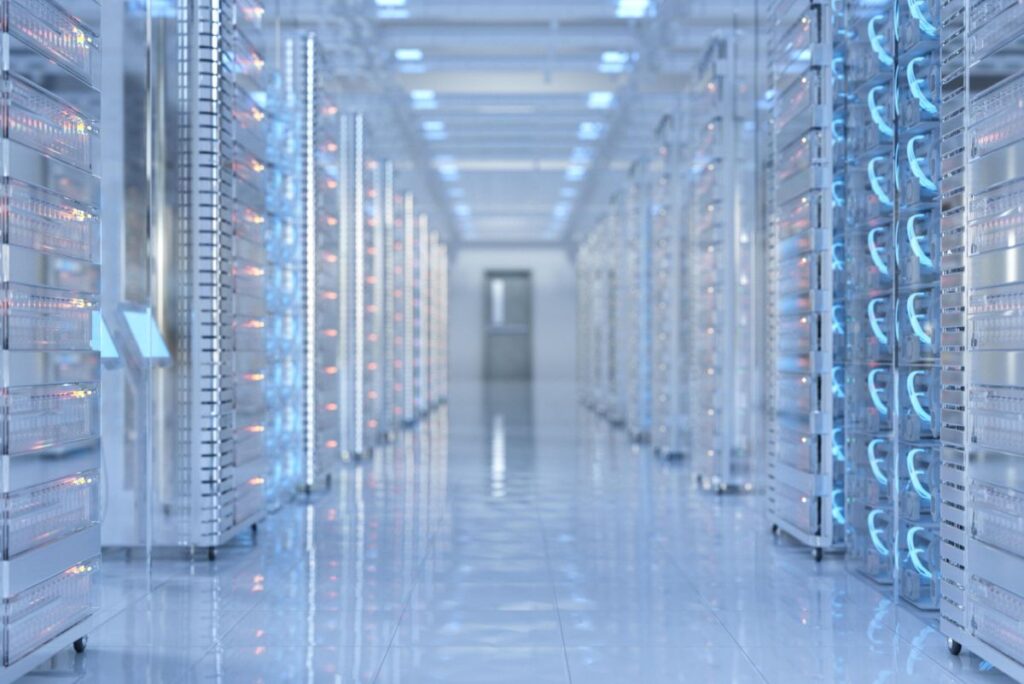
Stargate, launched in early 2025, represents a commitment from OpenAI, Oracle, and SoftBank to build out AI infrastructure in the U.S. to deploy up to 10 GW of AI compute capacity. At its flagship site in Abilene, Texas, the Stargate campus is already partially operational: it runs on Oracle Cloud Infrastructure. It houses racks of NVIDIA GB200 GPUs for training and inference workloads.
Rapid Expansion: Five New Data Centers
In September 2025, OpenAI, Oracle, and SoftBank announced five additional U.S. data center sites as part of the Stargate rollout, including Shackelford County, Texas; Doña Ana County, New Mexico; and a site in Wisconsin. When combined with the Abilene facility and other ongoing projects (like those with CoreWeave), these new sites bring Stargate’s planned capacity to nearly 7 GW—and more than $400 billion in committed investment in just three years. This rapid pace puts the project on track to exceed its whole 10 GW / $500B goal ahead of schedule.
Jobs, Scale, and Strategic Impacts
The project is not just about raw computing power—it is also expected to generate a significant economic impact. The five new data center sites alone are forecast to create 25,000 on-site jobs, with tens of thousands of additional jobs across construction, operations, and related sectors.
OpenAI CEO Sam Altman emphasizes that Stargate is foundational: “AI can only fulfill its promise if we build the compute to power it.” At the same time, Oracle stresses that its OCI infrastructure will play a central role in scaling capacity efficiently.
Oracle Partnership: A Major Build-out
The OpenAI–Oracle partnership is a key pillar of Stargate. In July 2025, the two companies announced 4.5 GW of additional data center capacity, aiming to deploy more than two million AI chips and create more than 100,000 jobs. That brings their total Stargate capacity under development to over 5 GW.
Power Demands and Infrastructure Complexity
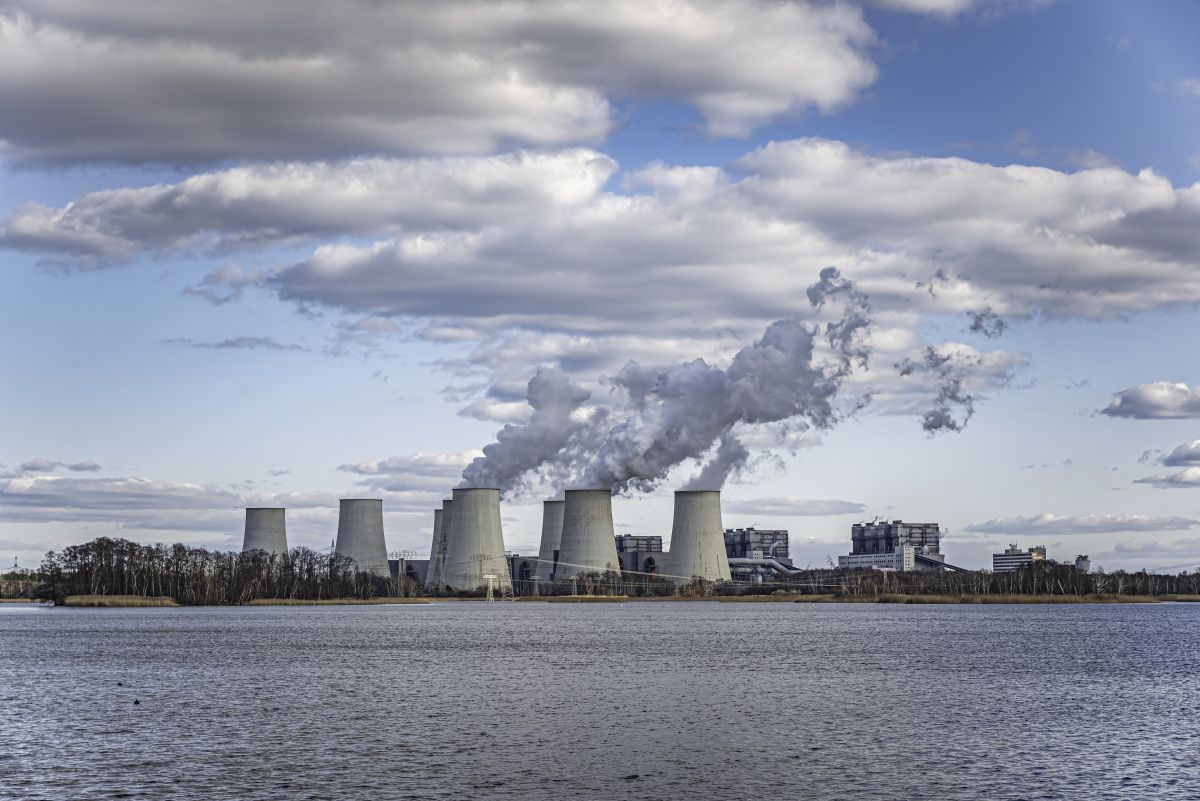
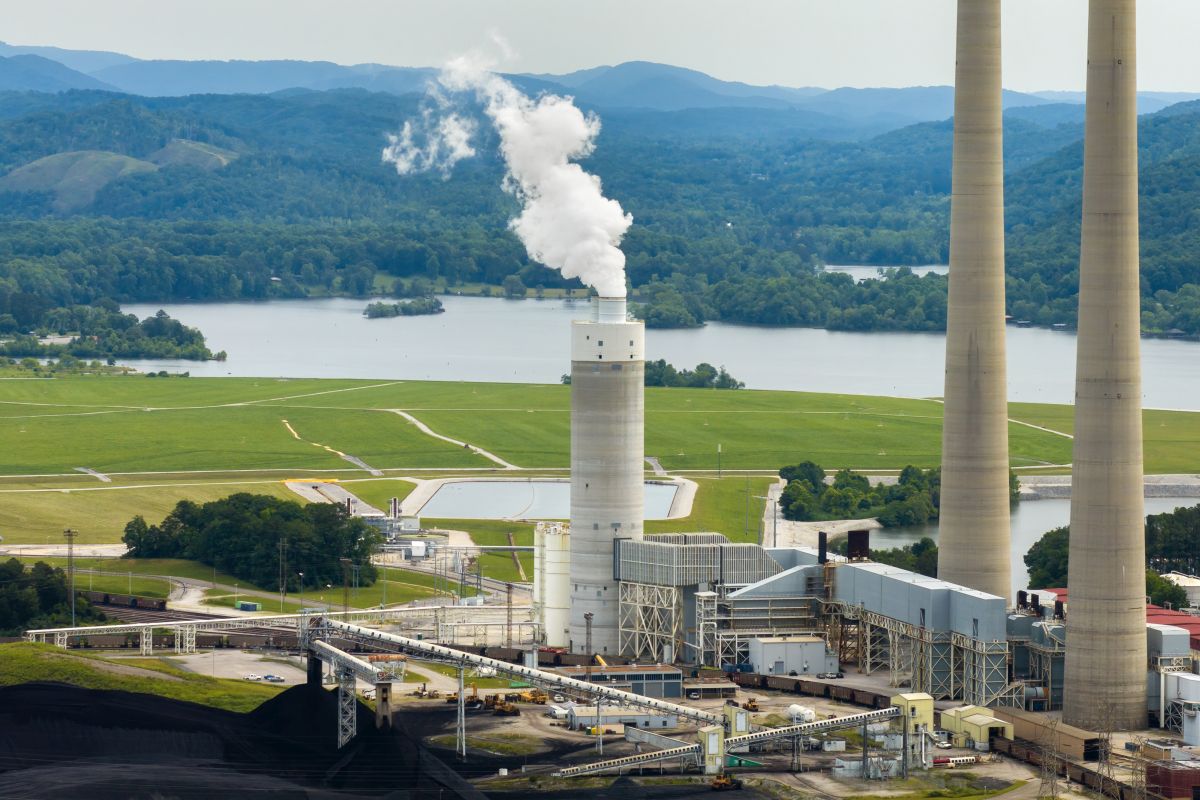
With the project’s full 10 GW target, Stargate’s energy demands are immense. For example, Apollo Academy reports that New York City requires about six gigawatts of power. According to Business Insider, the 7 GW of currently planned capacity already “requires enough energy to power a whole city.”
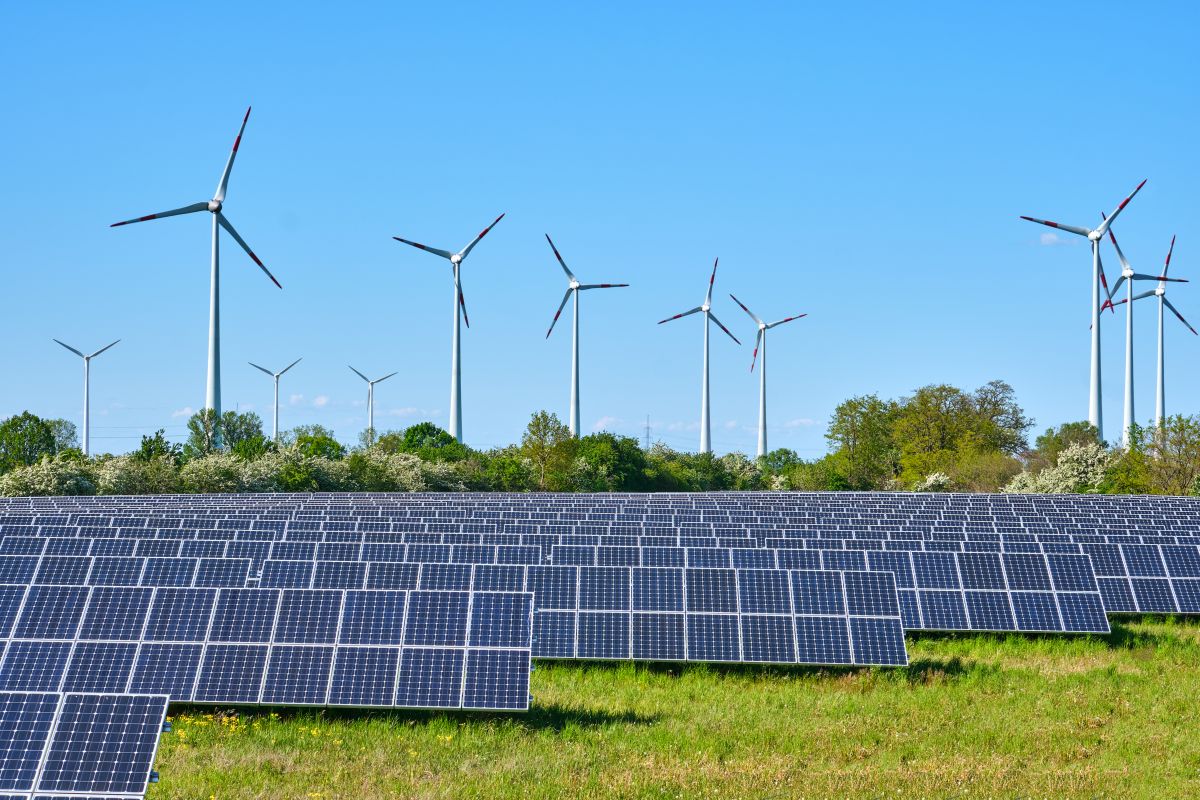
This scale underscores just how critical data center design is for AI’s future: high density, efficient cooling, and reliable power are all essential to make this vision viable. To meet these needs, partners are pursuing a blended energy approach: long-term grid power contracts, dedicated substations, on-site backup generation, and efficiency gains in data center design. SoftBank’s SB Energy division is evaluating new solar and storage projects near key sites, though not all facilities will run exclusively on clean energy.
Strategic and National Significance
According to the OpenAI announcement, the initiative supports U.S. national security, fosters “reindustrialization,” and seeks to keep American leadership in AI. SoftBank—through its data center and energy unit SB Energy—has also emphasized that Stargate aligns with its future scalable infrastructure and clean energy ambitions.
Conclusion
OpenAI’s $500 billion Stargate project is more than an AI infrastructure initiative; it is a plan for the future of computing, American industrial capacity, and global AI leadership. With Oracle and SoftBank as powerful partners and data centers already in progress, Stargate is rapidly scaling up. But the massive energy needs, cost, and complexity of such a buildout also make it one of the most challenging infrastructure programs of the decade.
FAQs
1. How many data centers are connected in the Stargate project?
2. Who are the main partners supporting Stargate?
3. How much computing power is being offered by the Stargate project?
4. Why is the project going forward in the United States?
5. What kind of AI hardware is in the Stargate data centers?
Disclaimer: Any opinions expressed in this blog do not necessarily reflect the opinions of Certrec. This content is meant for informational purposes only.