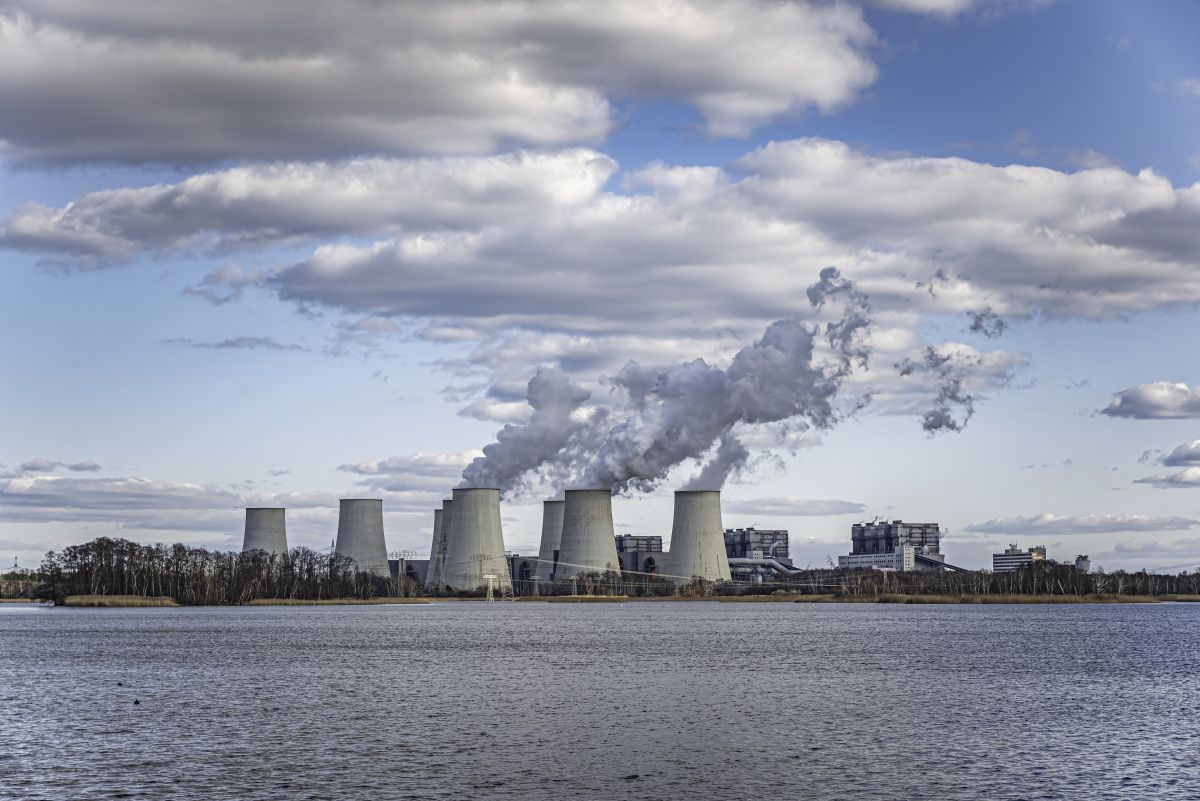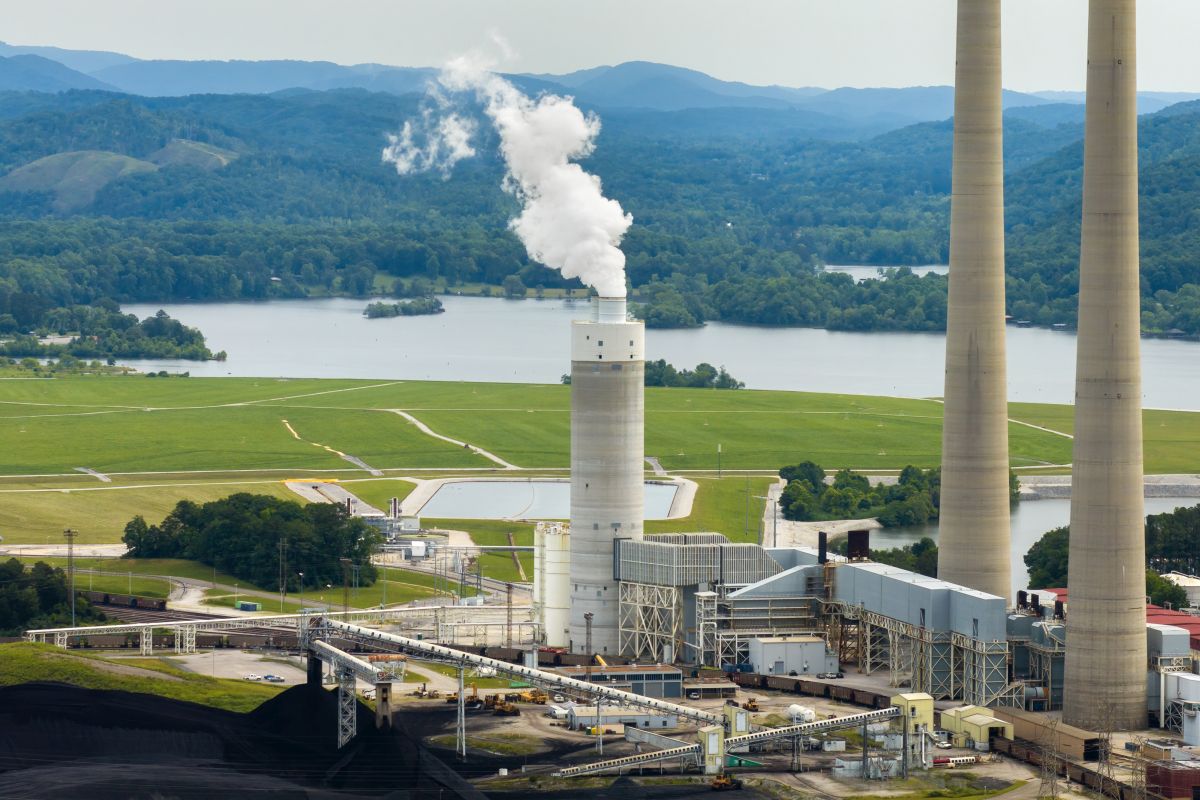


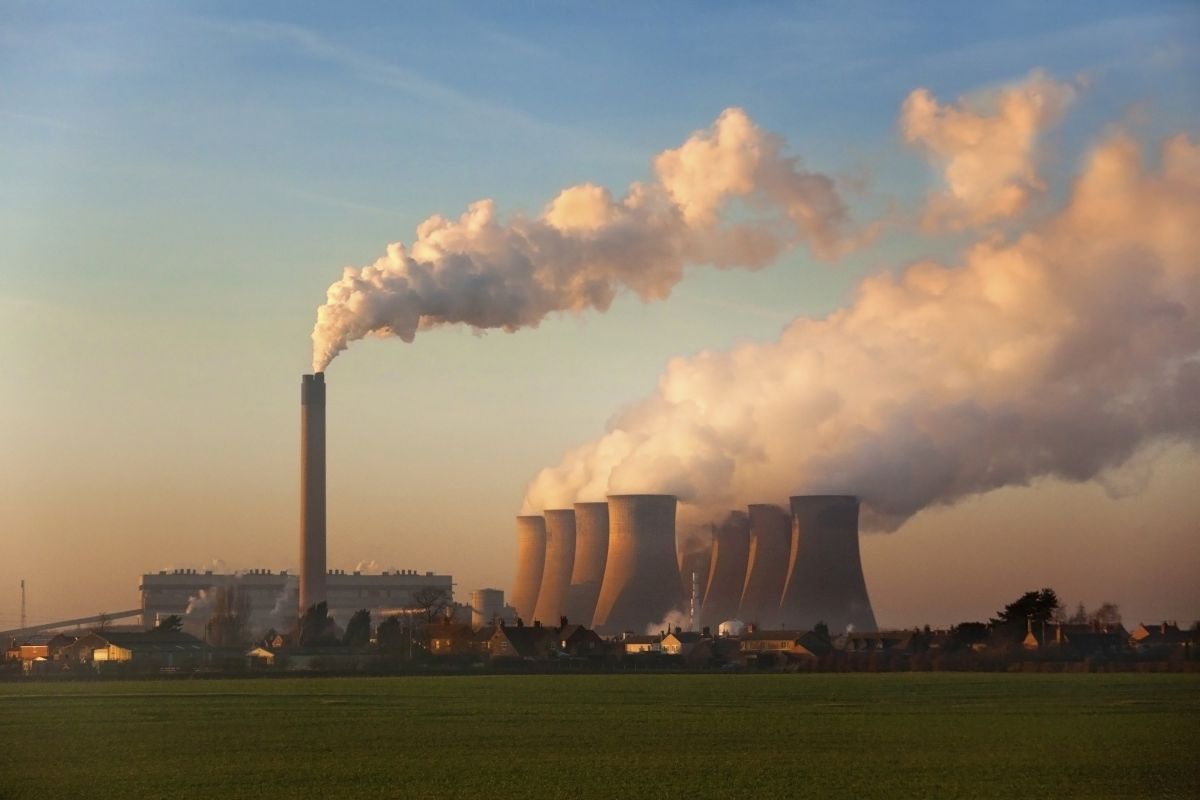
Coal-fired electricity generation in the United States has steadily declined as utilities increasingly shift toward natural gas and renewable energy sources. The Energy Information Administration (EIA) estimates that coal generated approximately 17% of electricity in the U.S. in 2025, a share that has been declining. However, coal-fired power plants are still operating and can provide baseload electricity to the regional grid. Many of the nation’s largest coal power plants are now operating under utility transition plans that include either emissions reductions, modernization, fuel switching, or phased retirements.
This overview highlights 10 major coal-fired power plants still operating in the United States, including their ownership structures, operational roles, approximate net generating capacities, and future transition plans.
1. Plant Scherer
Plant Scherer remains one of the largest coal-fired power plants operating in the United States, located near Juliette, Georgia, with an approximate net generating capacity of 3,720 MW.
Plant Scherer is operated by Georgia Power, but ownership is shared among multiple utility stakeholders, including Oglethorpe Power, Municipal Electric Authority of Georgia (MEAG), Georgia Power, JEA, and Dalton Utilities. The plant has undergone operational transitions in recent years as utilities continue evaluating long-term coal generation strategies and emissions requirements.
2. Bowen Power Plant
Bowen Power Plant is another major coal-fired power plant in the southeastern United States. The plant has an approximate net generating capacity of nearly 3,376 MW and consists of four large generating units. The plant is owned and operated by Georgia Power.
Since beginning operations in the 1970s, Bowen has remained one of the nation’s largest continuously operating coal-fired stations. The plant continues operating under long-term integrated resource planning reviews as utilities balance energy reliability, environmental regulations, and fuel transition strategies.
3. Monroe Power Plant
The Monroe Power Plant in Michigan is among the Midwest’s largest coal-fired electricity generation facilities, with an approximate net generating capacity of nearly 3,280 MW. The plant is owned and operated by DTE Energy and has supplied electricity to Michigan’s regional grid since the early 1970s. Monroe remains an important baseload generation asset despite the company’s broader clean energy transition initiatives.
DTE Energy has announced long-term plans to retire coal-fired operations at the site over the coming decades as part of its carbon-reduction strategy.
4. John E. Amos Power Plant
The John E. Amos Power Plant, located in West Virginia, is one of the largest coal-fired facilities operated by American Electric Power through its subsidiary Appalachian Power. The plant has an approximate net generating capacity of 3,000 MW and consists of three operating units.
Since entering service in the 1970s, the plant has remained a critical source of baseload electricity within the Appalachian region. The station continues operating with emissions-control technologies and modernization programs designed to meet federal environmental requirements.
5. Gibson Station
Gibson Station is one of the United States’ largest coal-fired plants, operated by Duke Energy. It has a net generating capacity of 2,845 MW and is located in Indiana. Gibson has had five operating units since it began its operation in 1976. Most of the facility is operated by Duke Energy, while Unit 5 includes ownership stakes held by Wabash Valley Power Association and Indiana Municipal Power Agency.
As part of Duke Energy’s long-term transition plan, the plant will undergo fuel switching and a gradual transition. Some long-term utility planning documents indicate operations could extend into the late 2030s, depending on grid reliability and regulatory requirements.
6. James H. Miller Jr. Electric Generating Plant
The James H. Miller Jr. Electric Generating Plant in Alabama is among the largest coal-fired plants in the southern United States, with an approximate net generating capacity approaching 2,822 MW. The plant is operated by Alabama Power, with ownership interests associated with Alabama Power and PowerSouth Energy Cooperative.
The plant entered commercial operation in 1978 and has four generating units. It remains an important source of electricity for the southeastern United States. There is no retirement schedule outlined in the current utility planning documents because the plant continues to meet high regional demand.
7. Gavin Power Plant
Gavin Power Plant, located in Ohio, remains one of the state’s largest coal-fired electricity producers with an approximate net generating capacity of about 2,600 MW.
The plant is operated by Lightstone Generation following ownership transitions from American Electric Power and subsequent energy investment firms.
The plant has significantly improved its emissions and has Selective Catalytic Reduction (SCR) systems to control nitrogen oxide (NOx) emissions. The improvements were made to ensure greater compliance with environmental standards and to minimize the impacts on air quality.
8. Rockport Generating Station
Rockport Generating Station in Indiana has historically ranked among the country’s largest coal-fired generating facilities. The station operates two large generating units with an approximate combined net generating capacity of 2,600 MW.
The plant is associated with Indiana Michigan Power, a subsidiary of American Electric Power. The facility has historically involved ownership and lease arrangements associated with Indiana Michigan Power and affiliated American Electric Power entities.
The plant continues supplying power to regional electricity markets while long-term retirement and transition plans remain under evaluation.
9. W.A. Parish Generating Station
W.A. Parish Generating Station, located in Texas, is one of the nation’s best-known coal-fired power facilities because of its association with the Petra Nova carbon capture project.
The station’s coal-fired units maintain an approximate net generating capacity of roughly 2,500 MW. The plant is owned and operated by NRG Energy and has been in operation since the 1970s. The Petra Nova project attracted national attention as one of the largest carbon capture initiatives implemented at a coal-fired power station in the United States.
10. Cumberland Fossil Plant
The Cumberland Fossil Plant in Tennessee is operated by Tennessee Valley Authority and remains one of TVA’s largest coal-fired electricity generation facilities. The plant has an approximate net generating capacity of 2,470 MW and has supplied electricity across the Tennessee Valley region since the early 1970s.
The Tennessee Valley Authority has evaluated long-term replacement strategies involving natural gas generation and other energy resources while continuing to assess regional electricity reliability needs.
Comparison Table
The following table provides an overview of major coal-fired power plants still operating in the United States.
Plant | Approx. Net Generating Capacity (MW) | State | Primary Operator | Commissioned | Current Status |
Plant Scherer | ~3,720 | Georgia | Georgia Power | 1982 | Operating with transition planning |
Bowen Power Plant | ~3,376 | Georgia | Georgia Power | 1971 | Operating |
Monroe Power Plant | ~3,280 | Michigan | DTE Energy | 1971 | Long-term retirement planning |
John E. Amos | ~3,000 | West Virginia | Appalachian Power | 1970s | Operating |
Gibson Station | ~2,845 | Indiana | Duke Energy | 1976 | Operating |
James H. Miller Jr. | ~2,822 | Alabama | Alabama Power | 1978 | Operating |
Gavin Power Plant | ~2,600 | Ohio | Lightstone Generation | 1974 | Operating |
Rockport Generating Station | ~2,600 | Indiana | Indiana Michigan Power | 1984 | Operating |
W.A. Parish | ~2,500 | Texas | NRG Energy | 1977 | Operating |
Cumberland Fossil Plant | ~2,470 | Tennessee | TVA | 1973 | Operating |
Conclusion
Coal’s share of U.S. electricity generation has declined substantially over the past two decades, although several large coal-fired stations remain important contributors to regional grid reliability. In the era of lower-carbon energy portfolios, power plants such as Plant Scherer, Bowen, Monroe, and Gibson (which remain significant parts of the U.S. power system) are preparing for eventual retirement as utilities shift to less carbon-intensive plants.
FAQs
1. What are the key drivers of the U.S. electricity market in 2026?
2. How is renewable energy expected to impact the U.S. electricity market in 2026?
3. Will electricity demand increase in the U.S. by 2026?
4. What challenges could affect the U.S. electricity market in 2026?
5. How are utilities preparing for the future electricity market?
Disclaimer: Any opinions expressed in this blog do not necessarily reflect the opinions of Certrec. This content is meant for informational purposes only.