


Overview: energy transition investment trends
Despite a tougher macro environment, Phillips says the word that best captures energy transition investment over the past year is “resilience”. Clean energy investment is holding up, driven by electrification, energy security concerns, and demand growth coming from AI and data centers.
“While the pace of growth is moderating from the rapid acceleration seen earlier in the decade, investment continues to expand across both established and emerging technologies.”
But he also flags a counterintuitive twist: some of the same drivers for clean energy are reviving coal investment, noting, “This is proof that energy security doesn’t automatically mean clean.”
He adds that there have also been significant investment flows going into supporting infrastructure for the transition, including energy storage and grids. But “capital commitment doesn’t guarantee delivery, with supply chain bottlenecks and permitting delays presenting significant risks,” he cautions.
Generation technologies: where capital is being distributed across the transition
Phillips breaks down investment trends across different power generation technologies, the headline being that renewables continue to dominate new power investment, while nuclear is drawing renewed attention as demand grows for low-carbon firm generation.
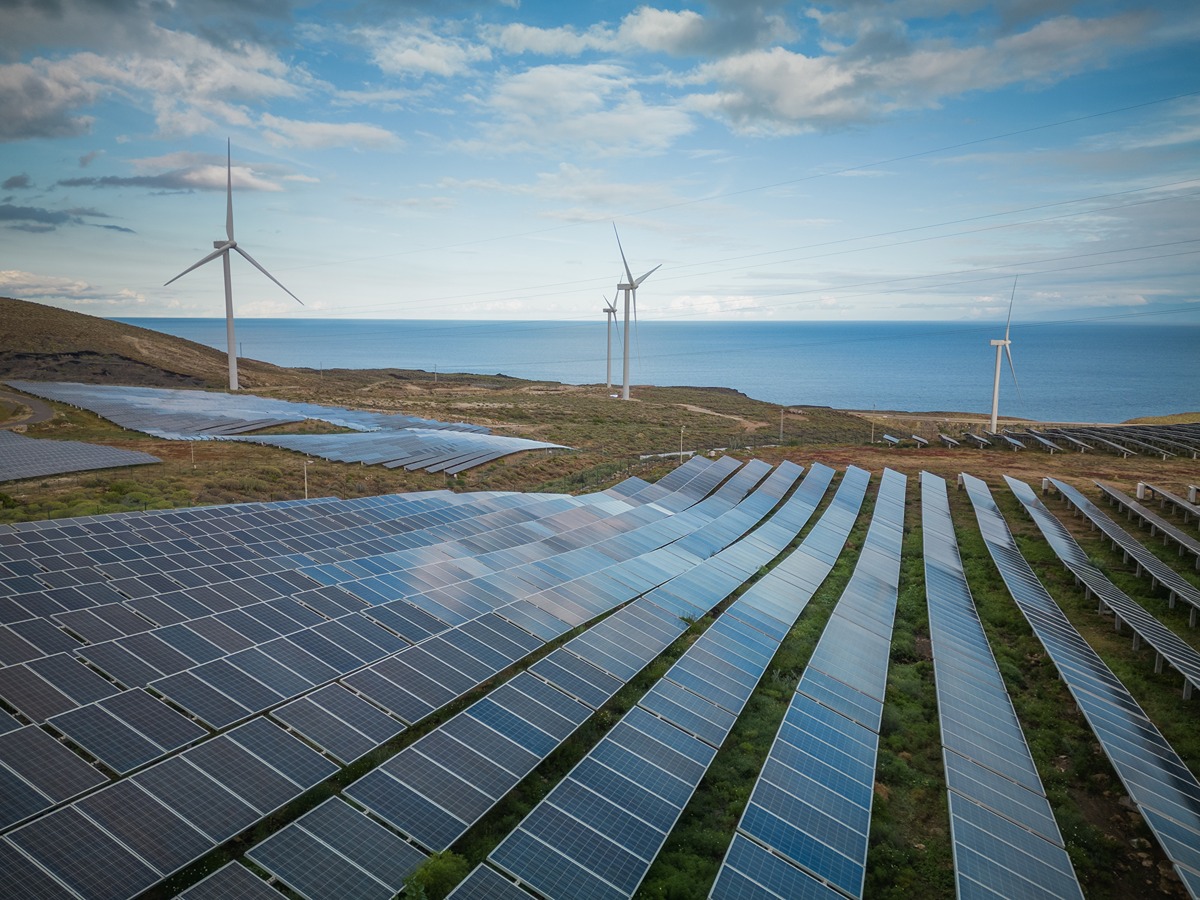
Solar remains the biggest magnet for capital, but growth is uneven and increasingly exposed to supply chain concentration and policy shifts – factors that are expected to slow investment later this decade.
Nuclear is resurging, with investment projected to rise sharply by 2030 and the center of gravity moving from the Asia-Pacific (APAC) region toward Europe and the US in the late 2020s. Small modular reactors emerge as a key catalyst as data centers look for reliable and clean baseload power.
Often overlooked in the transition conversation, biopower and geothermal are positioned as niche but meaningful investment areas. Here too, while “APAC is set to drive geothermal investment through to 2030, data center demand has emerged as a catalyst for new investment in North America”.
Meanwhile, Phillips notes that “the investment landscape for hydrogen presents the most complex outlook” due to the gap between projected CAPEX and what may actually be built.
The cost of capital: transition investment driver or hurdle?
“High interest rates increase borrowing costs, and energy transition technologies are often particularly affected given how capital-intensive they are,” warns Phillips.
Rates also feed into financing risk premiums, with newer or less-established technologies carrying greater execution and revenue uncertainty, which sees lenders and investors price that risk in, pushing the cost of capital up further. That dynamic shows up clearly when we look at how project costs are expected to move through to the latter half of the decade.
Looking to 2030
Phillips forecasts a clear shift in the back half of the 2020s: renewables will keep growing, but more slowly, while gas-based power investment is expected to rebound and nuclear investment strengthen.
With these shifts in mind, one advice he has for the power industry is that “treating transmission and grid modernization as a core investment priority is key”.
“Without additional grid capacity, the cost declines across technologies we’ve discussed won’t translate into reliable power on the system.”