

One of the most significant innovations reshaping the global energy sector is the Small Modular Reactor (SMR). According to the U.S. Energy Information Administration, SMRs are nuclear reactors designed to generate up to 300 MWe per unit, whereas conventional nuclear reactors typically produce more than 1,000 MWe. Their smaller footprint, modular construction approach, and advanced safety systems position SMRs as a flexible solution for delivering reliable carbon-free electricity.
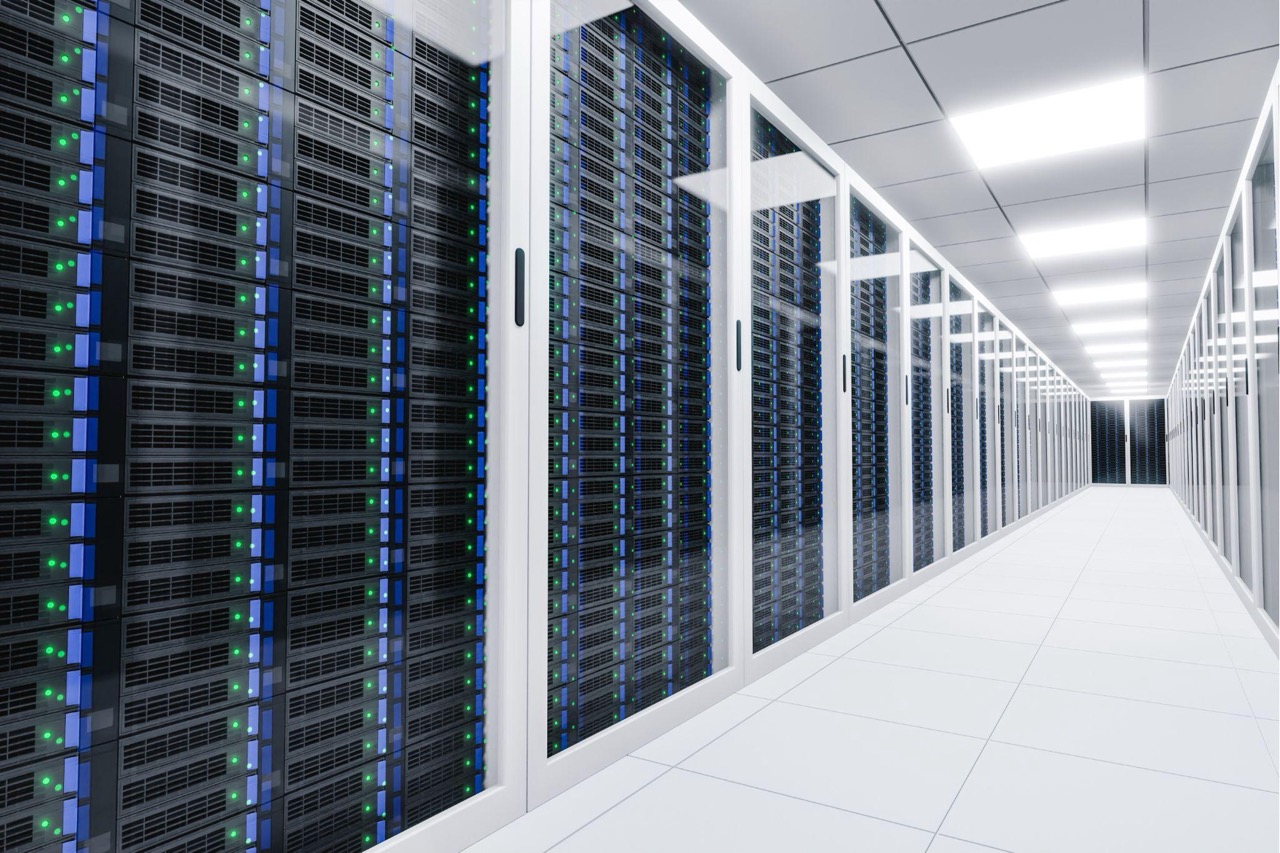
Unlike traditional large-scale reactors, SMRs are designed for faster deployment, lower upfront investment, and greater adaptability for smaller grids, remote communities, industrial facilities, and emerging high-energy-demand sectors such as AI-driven data centers. While SMRs are not expected to replace conventional nuclear plants in the near term, they are increasingly viewed as a complementary technology that could strengthen future energy infrastructure.
How Modular Nuclear Technology Could Power America’s Future
SMRs are shaping the way the United States approaches energy security, grid reliability, and long-term decarbonization. Their compact design and modular deployment model allow reactors to be manufactured in controlled factory environments and transported to installation sites, reducing construction complexity and improving project consistency.
According to the International Energy Agency, SMRs are unlikely to replace gigawatt-scale nuclear facilities in the short term. Instead, they are intended to supplement existing nuclear infrastructure and provide clean electricity in regions where traditional large reactors are less practical or economically viable.
The modular nature of SMRs enables utilities to add power generation capacity incrementally rather than committing to a single large-scale reactor project. This flexibility could become increasingly important as electricity demand continues to rise across industrial and digital sectors.
Nuclear Innovation Backed by Government and Industry
Several American energy companies and national laboratories are actively developing advanced SMR and microreactor technologies. Many next-generation designs incorporate High-Assay Low-Enriched Uranium (HALEU) fuel, passive safety systems, and transportable reactor configurations intended to improve operational efficiency and resilience.
At the same time, the United States continues investing in large nuclear infrastructure projects. Recent developments such as Vogtle Units 3 and 4 in Georgia highlight both the strategic importance of nuclear energy and the challenges associated with conventional large-reactor construction, including cost overruns and extended project timelines.
Federal Funding Is Accelerating SMR Development
In March 2025, the DOE reissued a $900 million solicitation for Generation III+. The funding splits into two tracks: up to $800 million to support first-mover teams committed to deploying an initial plant and to facilitate future multi-reactor deployment pipelines, and approximately $100 million for fast-follower deployment support to address supply chain gaps.
The program is focused on supporting commercial-scale reactor deployment rather than early-stage research, signaling growing federal confidence in advanced nuclear technologies.
Industry Support
Technology companies and hyperscale data center operators are increasingly evaluating partnerships with advanced nuclear technologies to meet future electricity demand. Interest in reactor technologies such as TerraPower’s Natrium system reflects the growing need for reliable, carbon-free baseload power to support AI infrastructure and large-scale computing operations.
For the SMR industry, long-term economic viability depends heavily on achieving manufacturing scale. Producing multiple standardized reactor units could eventually reduce construction costs and improve deployment efficiency through economies of scale.
SMRs vs. Traditional Nuclear Power Plants
The following table compares SMRs with traditional nuclear power plants.
Feature | SMRs | Traditional Nuclear Power Plants |
Typical Power Output | Up to 300 MWe per module | Typically, 1,000–1,600 MWe per reactor |
Physical Size | Compact and modular | Large-scale facilities |
Construction Method | Factory-fabricated modules assembled onsite | Mostly custom-built onsite |
Construction Timeline | Target construction timelines are often estimated at 3–5 years, depending on licensing and deployment scale, though first deployments may take longer. | Usually 7–12+ years |
Initial Capital Cost | Lower upfront investment per module | Extremely high upfront capital cost |
Cost Per MW | Still uncertain; may initially be higher | Economies of scale can reduce long-term costs |
Scalability | Can add modules incrementally | Large one-time deployment |
Grid Compatibility | Suitable for smaller grids and remote areas | Best for large national grids |
Safety Systems | Heavy use of passive safety systems | Relies more on active safety systems |
Refueling Cycle | Some designs: 3–7 years or longer | Typically, every 18–24 months |
Land Requirements | Smaller footprint | Much larger site requirements |
Best Use Cases | Remote regions, industrial sites, data centers | Large baseload electricity generation |
Flexibility | Better load-following capability | Primarily baseload generation |
Deployment Status (2026) | Mostly in development or early deployment | Mature and commercially proven |
Regulatory Maturity | Still evolving in many countries | Established licensing frameworks |
Waste Generation | Still produces radioactive waste | Produces radioactive waste |
Fuel Types | Conventional and advanced fuels | Mostly conventional uranium fuel |
Global Adoption | Growing interest but limited operational fleet | Widely deployed worldwide |
Economic Risk | Lower project-size risk but uncertain economics | High financial risk due to the mega-project scale |
Primary 2026 Challenge | Commercial scalability and cost validation | Long construction times and high costs. |
The defining advantage of SMRs is modularity. Similar to modular industrial manufacturing systems, SMRs are intended to be factory-produced and shipped for installation. This approach is designed to improve construction predictability, reduce delays, and lower financial risk.
Why SMRs Could Strengthen America’s Clean Energy Strategy
According to the International Atomic Energy Agency, SMRs are not expected to replace traditional nuclear reactors entirely. Large-scale nuclear plants continue to provide several major advantages, including:
- Higher electricity generation capacity
- Strong economies of scale
- Proven long-term operational performance
- Established licensing frameworks
- Mature fuel supply infrastructure
SMRs, meanwhile, appear better suited for:
- Smaller regional grids
- Remote power applications
- Industrial energy demand
- AI data centers
- Incremental capacity expansion
- Lower Upfront Capital Requirements
- Faster Construction Potential
- Enhanced Passive Safety Systems
Although SMRs are still in the early stages of commercialization, their flexibility and lower project complexity could make them an important component of future clean-energy systems.
Long-term Outlook for SMRs in the U.S.
Advanced reactor technologies like SMRs feature simplified cooling systems and modular engineering, reshaping how nations approach secure and sustainable energy production. Several major trends continue to support the long-term outlook for SMRs in the United States, including AI-driven growth in electricity demand, increased federal nuclear funding, advanced reactor licensing reforms, and growing private-sector investment.
Conclusion
Small modular reactors are emerging as one of the most promising developments in advanced nuclear energy. Their modular construction approach, enhanced passive safety systems, and flexible deployment capabilities offer a potential pathway toward more resilient and sustainable energy infrastructure.
Rather than replacing conventional nuclear reactors, SMRs are expected to complement existing large-scale plants by serving applications where flexibility, scalability, and faster deployment are essential. As energy demand continues to grow, particularly from industrial sectors and AI-driven technologies, SMRs could become a key component of the future clean-energy landscape.
FAQs
1. What are the key drivers of the U.S. electricity market in 2026?
2. How is renewable energy expected to impact the U.S. electricity market in 2026?
3. Will electricity demand increase in the U.S. by 2026?
4. What challenges could affect the U.S. electricity market in 2026?
5. How are utilities preparing for the future electricity market?
Disclaimer: Any opinions expressed in this blog do not necessarily reflect the opinions of Certrec. This content is meant for informational purposes only.