

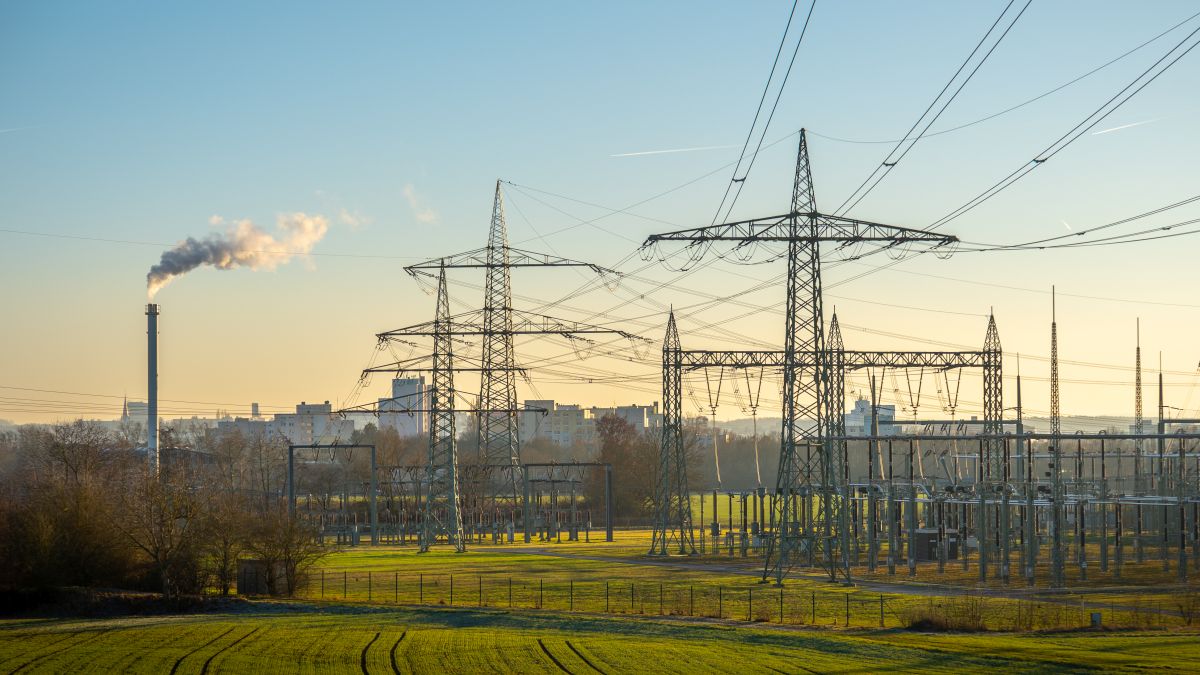
Rapid growth in Artificial Intelligence (AI), cloud computing, and High-Performance Computing (HPC) is driving a surge in electricity demand across the United States. As hyperscale data centers continue to expand, utilities, grid operators, regulators, and infrastructure developers face a common challenge: how to supply large amounts of reliable electricity while maintaining grid reliability and keeping costs manageable for consumers.
The PJM Interconnection, the largest wholesale electricity market in the country, serves approximately 67 million people in 13 states and the District of Columbia. The rapid growth of electricity consumption by data centers is a significant challenge for grid planners, policymakers, and market participants as they work to ensure reliability, affordability, and economic growth.
Why the MARA Acquisition Is Drawing Attention
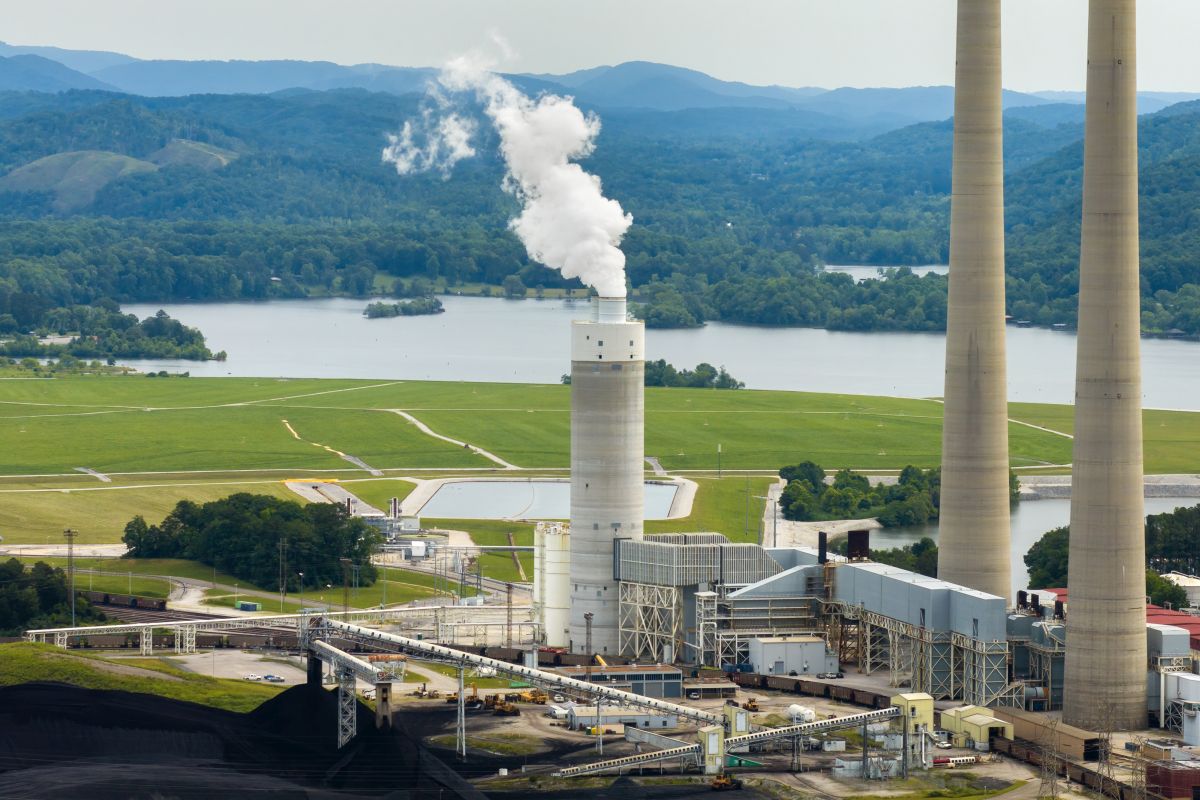
MARA Holdings, a digital energy and infrastructure company, has emphasized that the Long Ridge power plant acquisition is intended to support long-term infrastructure development rather than remove power from the regional grid.
According to the company’s statements, the existing plant will continue participating in PJM markets following the acquisition. Company executives have stated that future data center development would be supported through additional generation resources rather than by withdrawing the existing plant’s output from PJM.
MARA Chairman and CEO Fred Thiel has described reliable power as the most critical input for AI and digital infrastructure development. The company’s strategy involves controlling energy assets while dynamically allocating power to various computing applications, including AI workloads, critical IT infrastructure, and digital asset operations.
Why the PJM Market Monitor Raised Concerns
Despite MARA’s public statements, PJM’s Independent Market Monitor, Monitoring Analytics, has urged the Federal Energy Regulatory Commission (FERC) to condition approval of the transaction on a formal commitment that Long Ridge’s generation capacity remains available to PJM’s wholesale markets.
In a filing submitted to FERC on May 29, 2026, Monitoring Analytics argued that allowing the facility’s generation output to be redirected primarily toward private data center operations could further tighten supply conditions in a market already facing increasing reliability challenges. The monitor recommended that FERC require MARA to maintain the plant’s participation in PJM’s energy and capacity markets as a condition of approval.
The concern reflects a broader regulatory debate over whether owners of generation assets should be permitted to dedicate existing power plants to serve co-located data centers when those resources are already contributing to regional grid reliability.
Growing Impact of Data Centers on Electricity Demand
Data center growth has become one of the most significant drivers of electricity demand in the PJM region. According to PJM and industry analyses, large-load additions associated with data centers account for a substantial share of projected future demand growth.
PJM has forecast that system demand could increase by approximately 32 GW by 2030, with roughly 30 GW of that growth coming from data centers. Such growth is occurring alongside broader electrification trends and continued economic expansion, creating unprecedented pressure on generation and transmission infrastructure.
The speed at which large AI and cloud computing facilities can be developed has added complexity for grid planners. Unlike many traditional industrial customers, hyperscale data centers can bring hundreds of megawatts of demand online within relatively short timeframes, requiring regulators and grid operators to reconsider existing planning and interconnection processes.
Capacity Market Pressures and Rising Costs
In PJM’s most recent capacity auction, held in July 2025 for the 2026–2027 delivery year, the clearing price rose to $329.17 per megawatt-day, compared to $28.92 per megawatt-day for the 2024–2025 delivery year. That represents an increase of more than tenfold within two auction cycles. These elevated capacity costs are recovered through utility rates and ultimately passed through to residential and commercial electricity consumers.
According to Monitoring Analytics, forecasted data center demand accounted for approximately $6.5 billion, or 40%, of the $16.4 billion in capacity costs produced by PJM’s December 2025 capacity auction. Across PJM’s three most recent capacity auctions, forecasted data center load beyond currently operating facilities represented approximately 45% of the $47.2 billion in total capacity costs.
Supply-side conditions have also become increasingly challenging. PJM reported that its December 2025 capacity auction for the 2027–2028 delivery year was the first auction in which the entire PJM footprint failed to meet its reliability requirement. PJM stated that forecasted demand growth continued to outpace the addition of new generation resources, highlighting growing concerns about future resource adequacy.

Evolving Regulatory Framework
FERC and PJM are simultaneously working to develop new rules governing large-load interconnections and co-located generation arrangements.
In December 2025, FERC issued an order directing PJM to establish transparent tariff provisions governing the co-location of large data center loads with on-site generating facilities. The order directed PJM to facilitate AI-driven data center development while preserving grid reliability and protecting consumers and instructed PJM to report on measures to accelerate the addition of new generation capacity.
On February 23, 2026, PJM submitted a compliance filing outlining substantial revisions to its Open Access Transmission Tariff, which governs behind-the-meter generation associated with large load growth. The filing, which originated from PJM’s Critical Issue Fast Path (CIFP) stakeholder process on large load additions initiated in August 2025, requested a tariff effective date of July 31, 2026.
Potential Outcomes of the FERC Review
Under Section 203 of the Federal Power Act, FERC must determine whether the proposed MARA-Long Ridge transaction is consistent with the public interest.
The Commission has several options available. It could approve the transaction as filed, approve it with conditions requiring continued participation in PJM’s wholesale markets, or seek additional information before issuing a final decision.
The market monitor’s preferred outcome is clear: approval conditioned on a binding commitment that Long Ridge’s generation capacity remains available to PJM’s energy and capacity markets rather than being dedicated exclusively to private data center operations.
Whatever decision FERC ultimately reaches may establish an important precedent for future transactions involving largest power plant acquisitions by AI infrastructure developers, hyperscale data center operators, cryptocurrency companies, and other large electricity consumers.
Conclusion
The PJM independent market monitor is urging FERC to condition approval of MARA’s Long Ridge acquisition on a commitment that the facility’s generation remains available to PJM’s wholesale markets. MARA views the acquisition as a strategic move to create a next-generation digital infrastructure platform with reliable energy assets. In the meantime, PJM’s independent market monitor says precautions are needed to ensure critical generating resources remain available to the electricity market.
FAQs
1. What are the key drivers of the U.S. electricity market in 2026?
2. How is renewable energy expected to impact the U.S. electricity market in 2026?
3. Will electricity demand increase in the U.S. by 2026?
4. What challenges could affect the U.S. electricity market in 2026?
5. How are utilities preparing for the future electricity market?
Disclaimer: Any opinions expressed in this blog do not necessarily reflect the opinions of Certrec. This content is meant for informational purposes only.