

The global energy transition continues into 2026, highlighting a significant step forward in the world’s energy landscape. According to the IEA, global electricity demand is projected to rise by 3.7 percent in 2026, following a 3.3 percent rise in 2025.
Growing Electricity Demand Worldwide
The EIA expects the U.S. to consume 4,278 billion kWh of electricity in 2026, an increase from 4,189 billion kWh in 2025. This growth is driven by the rise of electric vehicles and the technology and manufacturing sectors.
According to the World Bank’s Global Economic Prospects (2025), India’s economy is projected to grow about 6.7 percent annually through 2026, supported by resilient private consumption, services expansion, and stronger manufacturing. These trends are expected to sustain rising electricity demand across the country.
Electricity demand in China is expected to grow by 4 to 5 percent, driven by the increasing sales of electric cars, semiconductor demand, and advanced digital consumer electronics.
Moving Toward Renewable Energy
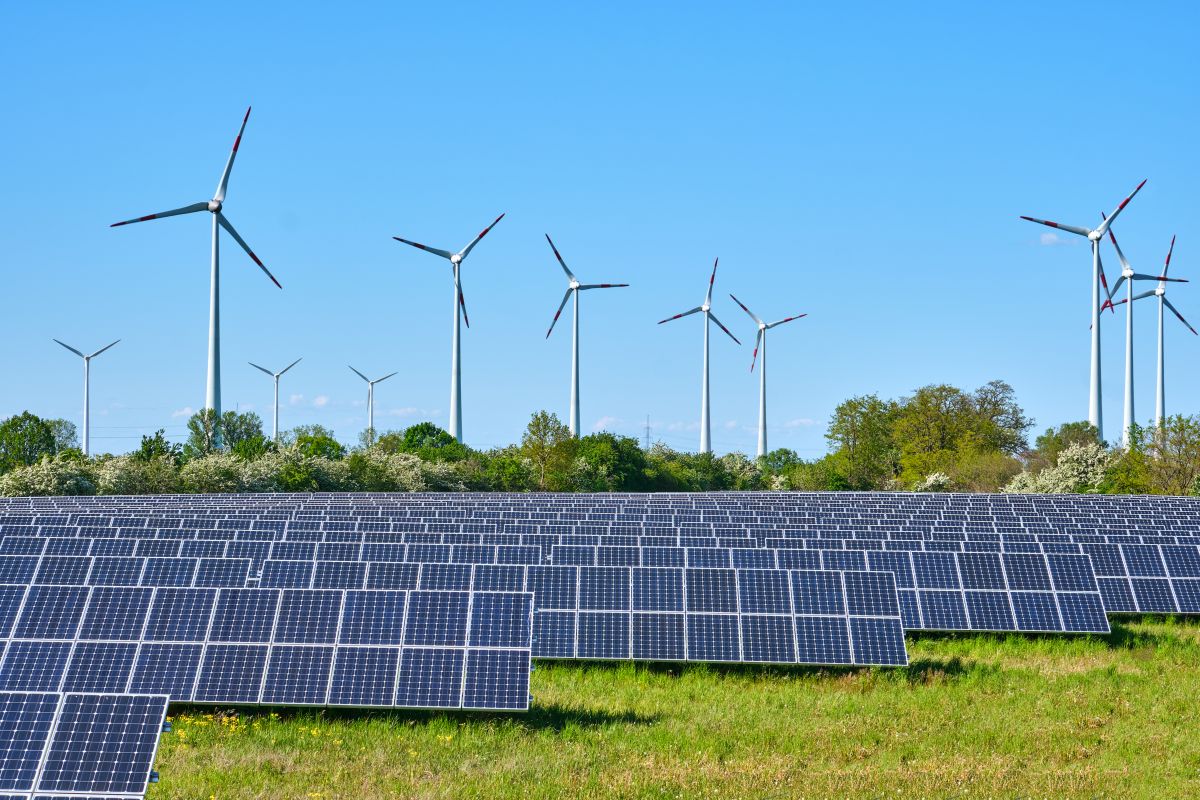
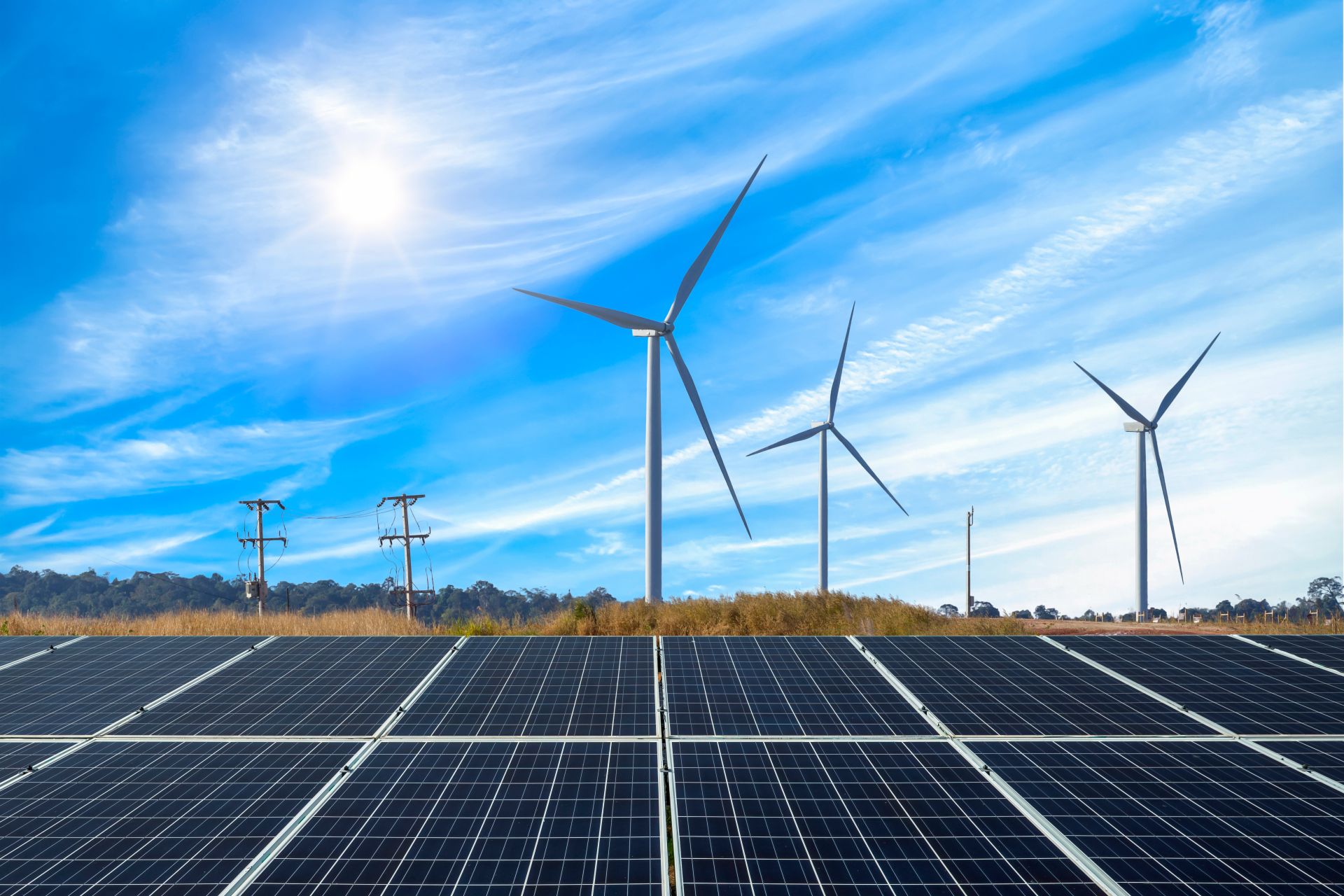
Renewables are expected to provide about 27 percent of the power generated in the United States, up from 25 percent in 2025. This is due to advanced technology, the expansion of solar and wind power, government policies against carbon, and state incentives.
Fossil Fuels Transition
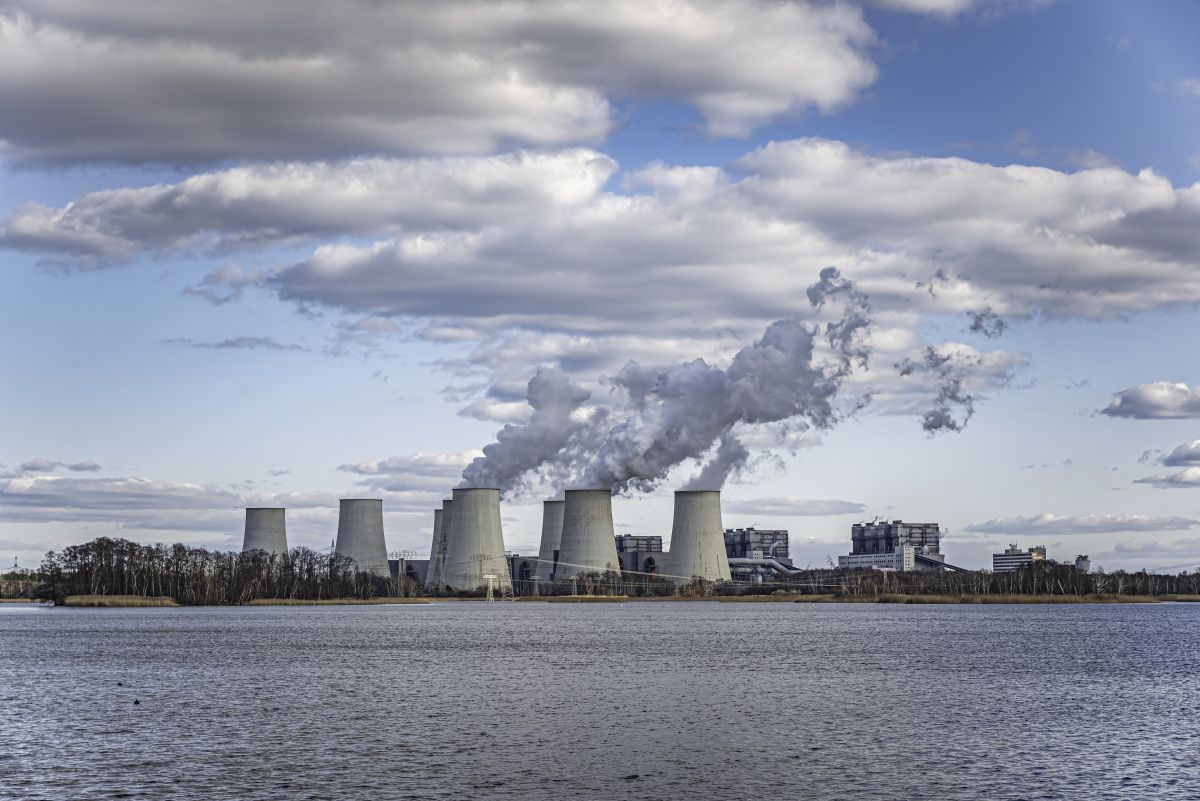
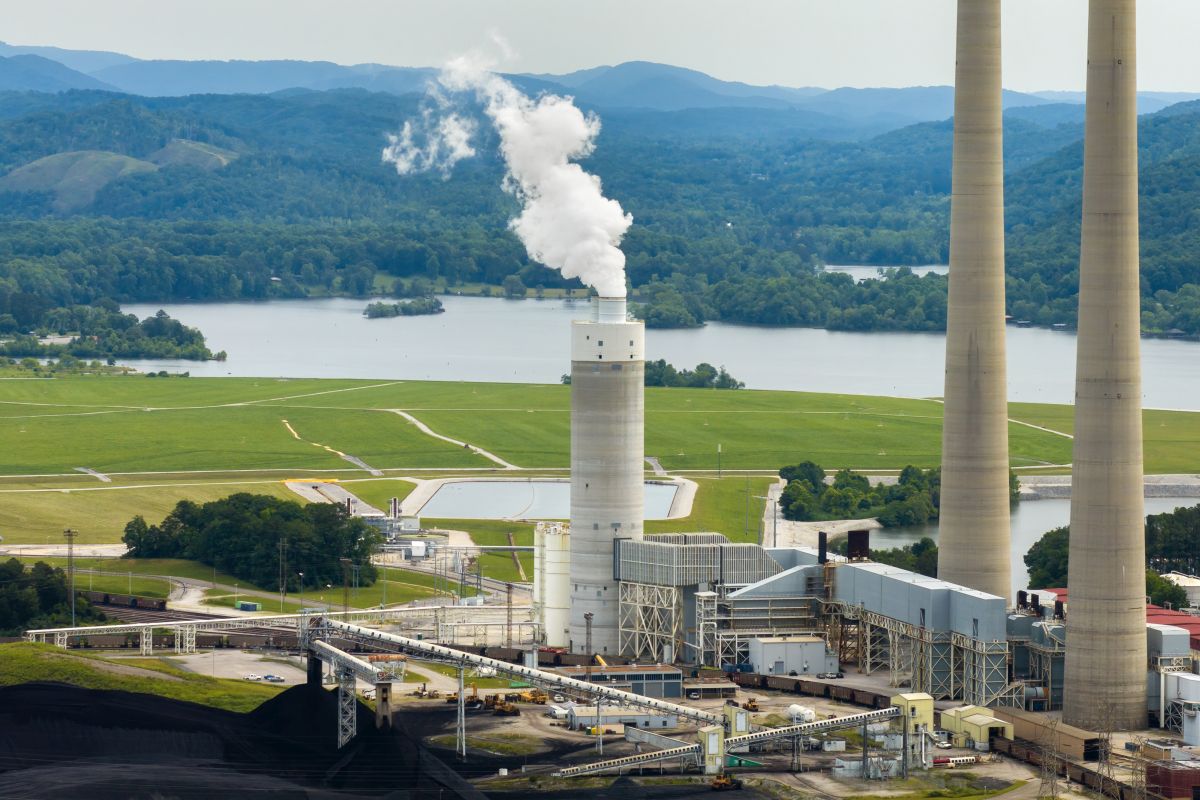
By 2026, U.S. coal usage will continue to decrease, falling to 15 percent of total power generation. Oil use remains restricted to transportation, with limited industrial usage. The U.S. has projected that natural gas will continue to play a central role in power generation, accounting for 40 percent of total generation.
Energy Security and Infrastructure Upgrades
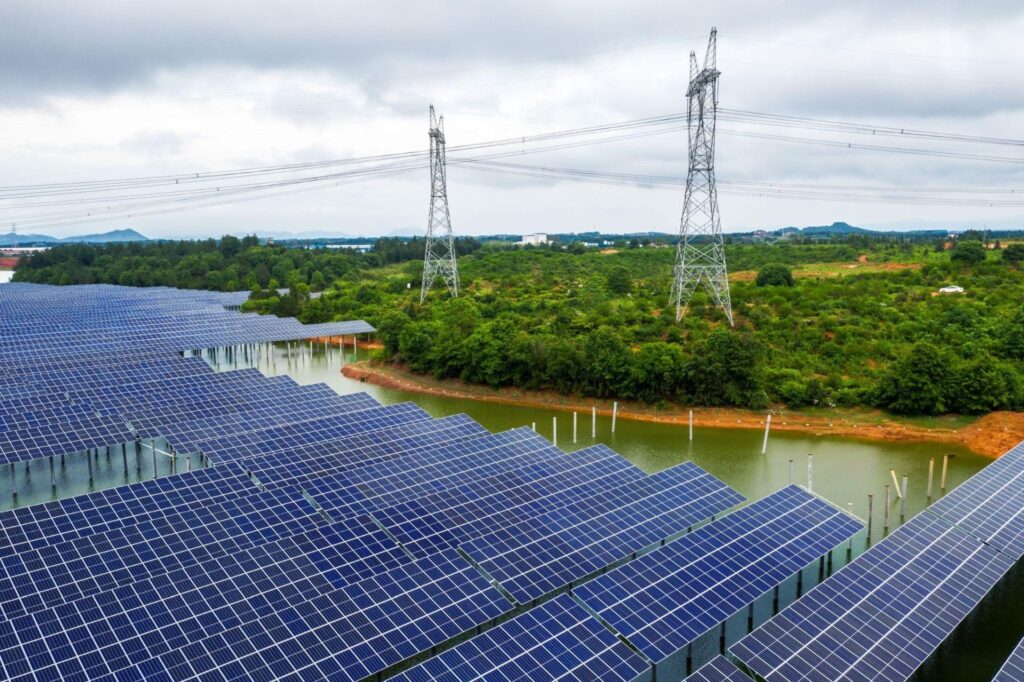
The security and infrastructure of energy systems have become essential priorities as renewable generation increases. To accommodate fluctuations in solar and wind energy, governments and energy companies are investing in strengthening power grids.
New policies in the United States encourage utilities to adopt artificial intelligence and sensors to better match supply and demand. This will make grid operations more reliable.
Advanced Technology and Innovation
Advanced batteries manage solar and wind power more efficiently throughout the day. Smart meters, remote monitoring, and AI energy management systems provide tools to monitor and control energy automation at the consumer and utility levels.
Policies and International Cooperation
Strong policies and international collaboration are determining the future of energy. Many countries offer renewable energy, electric cars, and grid upgrades through tax credits and incentives. Developing countries are investing in new infrastructure and clean energy with the support of new financing programs.
Conclusion
The global energy transition advancing into 2026 underscores another notable chapter in the transition of the world’s energy systems. The global energy outlook highlights progress alongside prevailing issues. Electricity demand continues to increase, while renewable energy is expanding at a remarkable rate. Carbon capture and green hydrogen technologies are expanding in heavy industry and transportation, helping reduce greenhouse gas emissions.
FAQs
1. What will be the future of fossil fuels and renewables?
2. What novel technologies revolutionize the industry?
3. How do policies stimulate global energy development in 2026?
4. How do global policies affect energy growth in 2026?
5. What efforts are made to ensure energy safety as renewables are introduced in various countries?
Disclaimer: Any opinions expressed in this blog do not necessarily reflect the opinions of Certrec. This content is meant for informational purposes only.