

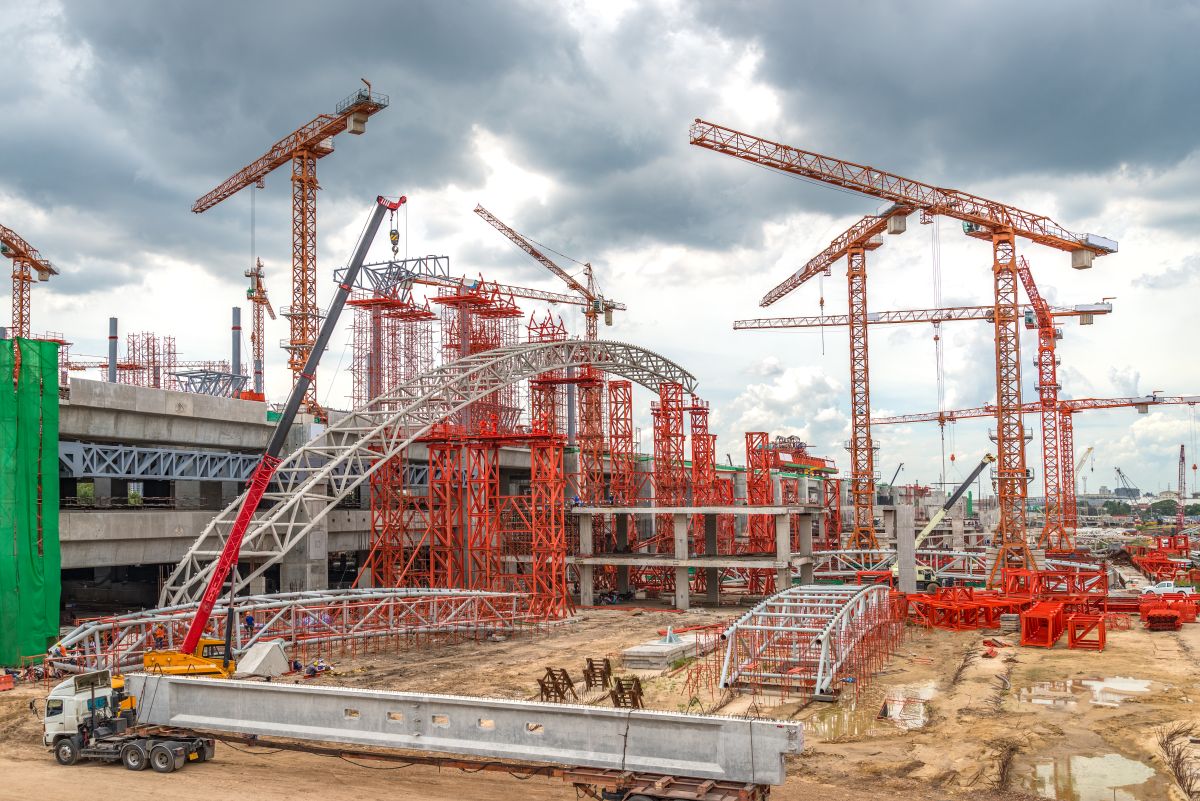
TerraPower has officially begun construction of its first Natrium plant, Kemmerer Unit 1 in Wyoming. The U.S. Nuclear Regulatory Commission (NRC) issued the construction permit on March 4, 2026, making the first advanced commercial reactor approved for construction in the U.S. in decades and the first non-light-water reactor in more than 40 years.
TerraPower President and CEO Chris Levesque described the project as a “blueprint” for deploying future Natrium plants across the United States and internationally. In January 2026, TerraPower and Meta also announced an agreement supporting the potential deployment of up to eight future Natrium reactors.
Natrium Reactor Design and Energy Storage Capability
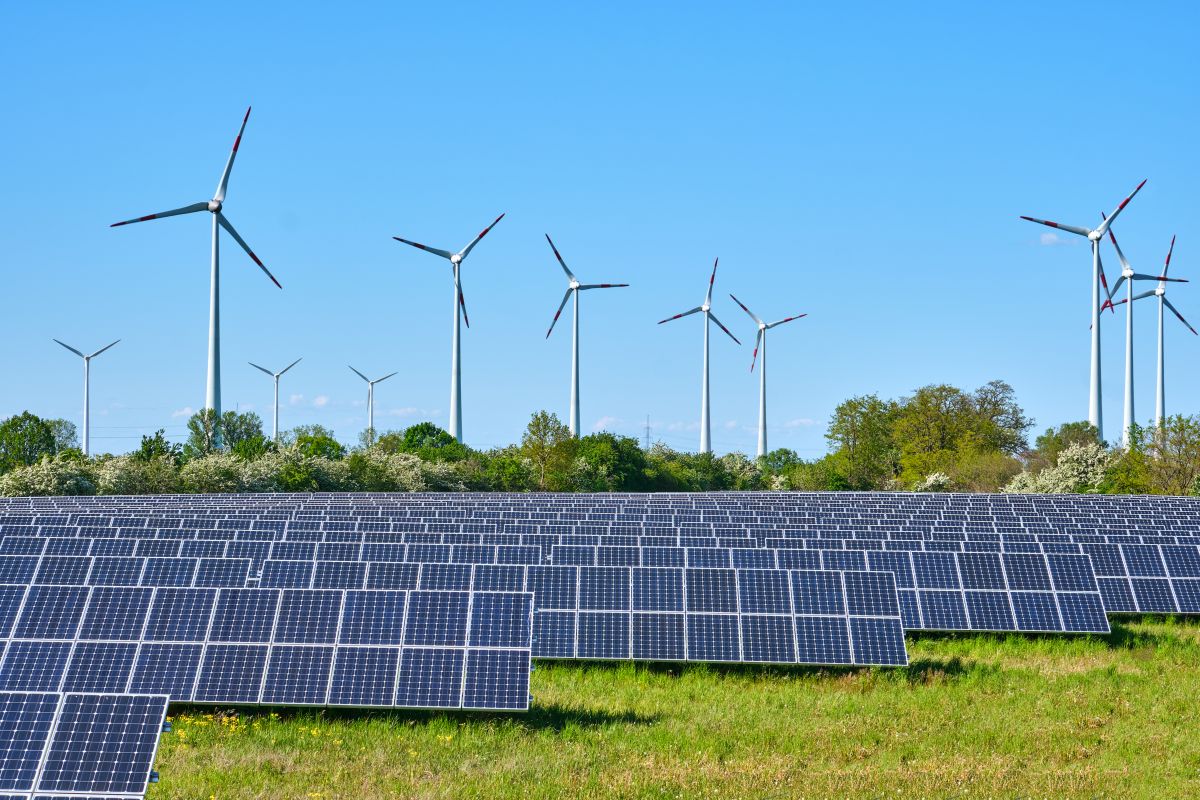
The Natrium reactor, integrated with a molten salt storage system, can generate electricity at 345-500 MW for over five hours on demand. This flexible design addresses one of the energy sector’s biggest challenges: delivering reliable, carbon-free electricity when renewable energy sources such as wind and solar are unavailable or operating at lower output.
If successful, the Kemmerer project could establish Wyoming as the starting point for utility-scale advanced nuclear power in the United States while also creating a commercial and construction model for future Natrium deployments.
Project Timeline and Regulatory Progress
Although construction has officially started, one major regulatory milestone remains before the plant can begin commercial operations. TerraPower’s subsidiary, U.S. SFR Owner LLC, has submitted a separate operating license application to the NRC, which must be approved before the facility can generate and sell electricity commercially.
The project is supported by federal funding through the Advanced Reactor Demonstration Program (ARDP), which was created to accelerate the development of advanced nuclear technologies in the United States.
TerraPower originally broke ground at the Kemmerer site in June 2024 and began construction activities on non-nuclear infrastructure and support facilities. Once completed, the facility is expected to become both Wyoming’s first commercial nuclear power plant and the country’s first utility-scale advanced nuclear reactor.
Strategic Partnerships Supporting the Project
Several major partnerships are helping strengthen the foundation of the Kemmerer project.
- Bechtel is serving as the engineering, procurement, and construction contractor. The company is working with TerraPower to apply advanced project management systems, digital construction tools, and standardized execution methods designed to improve efficiency and reduce construction risk for future Natrium plants.
- Meta’s agreement with TerraPower to support up to eight future Natrium projects represents one of the largest publicly disclosed corporate partnerships for advanced nuclear energy in the United States. The agreement reflects rising demand for reliable, carbon-free electricity from AI infrastructure and hyperscale data centers.
- Rocky Mountain Power, the project’s utility partner and future power offtaker, has also emphasized the importance of dependable baseload power for long-term grid reliability. Utility support is considered critical for the successful integration of advanced nuclear energy into regional electricity systems.
Why the Kemmerer Project Matters
The Kemmerer project represents more than the construction of a single nuclear plant. It demonstrates a potential pathway to bring advanced reactor concepts from licensing and financing to full-scale commercial deployment.
The combination of federal investment, private-sector partnerships, and a more modernized regulatory framework has created conditions that previous advanced nuclear projects in the United States often lacked. As a result, the industry will closely monitor whether Kemmerer Unit 1 can meet its targeted commercial operation timeline in 2031.
Economic and Community Impact
Kemmerer Unit 1 is expected to provide major economic benefits for the local community and the surrounding region. Kemmerer, Wyoming, has historically depended on coal-related industries and fossil fuel employment.
During peak construction, the project is expected to create more than 1,600 jobs. Once operational, the plant is projected to support approximately 250 permanent high-wage positions.
The project also allows the region to reuse existing transmission infrastructure and grid interconnections from retiring coal facilities. This transition model is increasingly viewed as a practical strategy for coal-dependent communities seeking long-term economic stability while supporting clean-energy development.
Supply Chain and Industrial Development
The construction of advanced nuclear reactors also requires rebuilding domestic manufacturing capabilities for specialized nuclear components, including reactor vessels, heat exchangers, sodium-handling systems, and instrumentation technologies.
By establishing procurement standards and fabrication requirements at Kemmerer, TerraPower, and Bechtel are helping suppliers prepare for future Natrium deployments. Long-term project visibility is considered essential for manufacturers making large capital investments to support advanced nuclear supply chains.
A Commercial Framework for Future Natrium Plants
TerraPower has positioned Kemmerer Unit 1 as more than a demonstration project. The company intends to use the plant as a repeatable commercial model for future Natrium reactors.
As construction methods, supplier qualifications, and regulatory processes become standardized, future projects are expected to benefit from lower costs, shorter construction timelines, and improved execution efficiency compared to first-of-a-kind nuclear builds.
Conclusion
Kemmerer Unit 1 is the first advanced nuclear plant to receive a construction permit under the NRC’s evolving licensing framework. It is the first advanced commercial reactor approved for construction in decades and the first commercial-scale non-light-water reactor authorized in the United States in more than 40 years.
If successful, the project could establish a new foundation for utility-scale advanced nuclear energy in America. Supported by federal investment, experienced industry partners, and growing demand for reliable clean electricity, the Natrium project represents one of the most significant advanced nuclear developments in the United States today.
FAQs
1. What are the key drivers of the U.S. electricity market in 2026?
2. How is renewable energy expected to impact the U.S. electricity market in 2026?
3. Will electricity demand increase in the U.S. by 2026?
4. What challenges could affect the U.S. electricity market in 2026?
5. How are utilities preparing for the future electricity market?
Disclaimer: Any opinions expressed in this blog do not necessarily reflect the opinions of Certrec. This content is meant for informational purposes only.