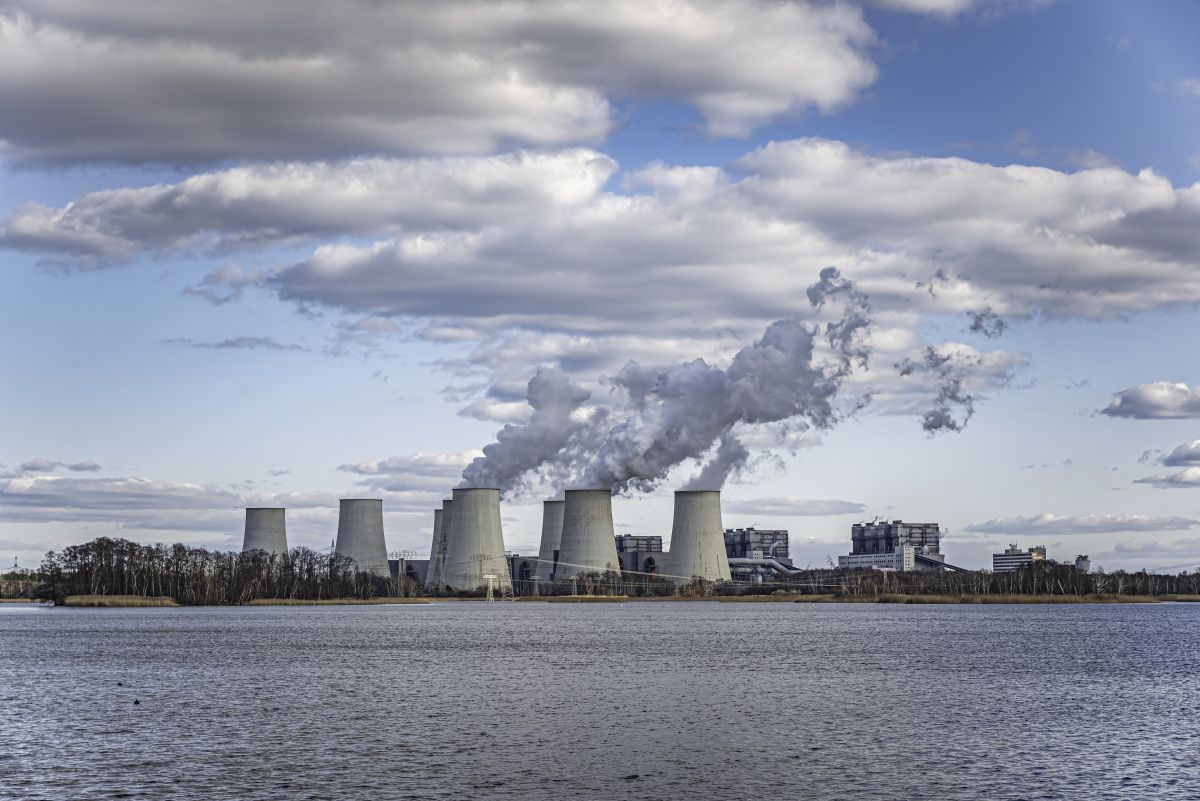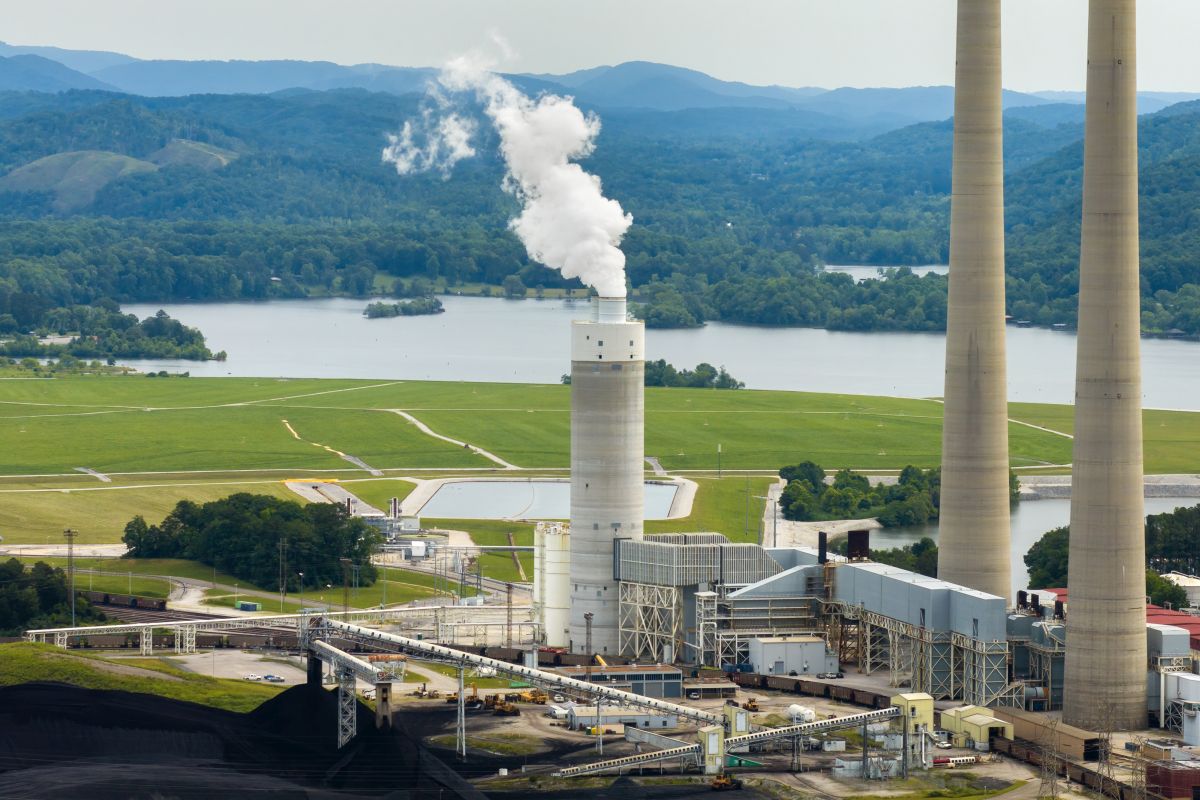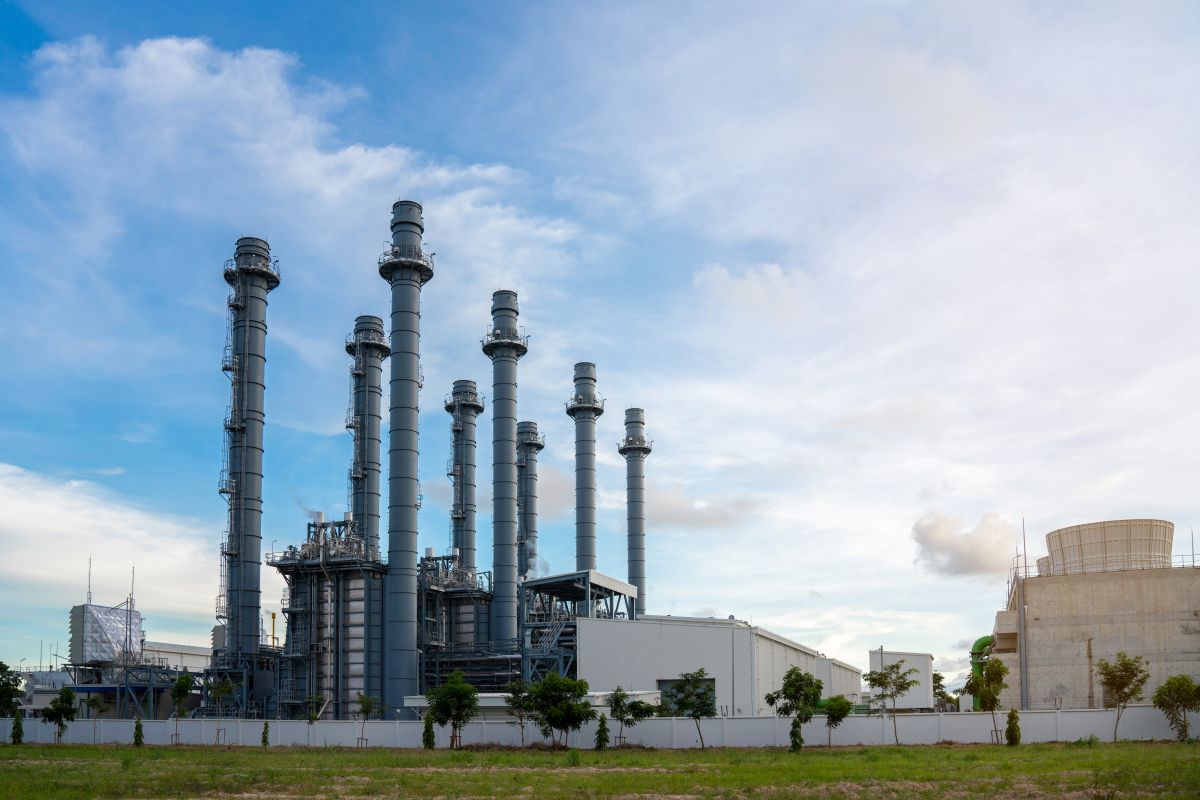


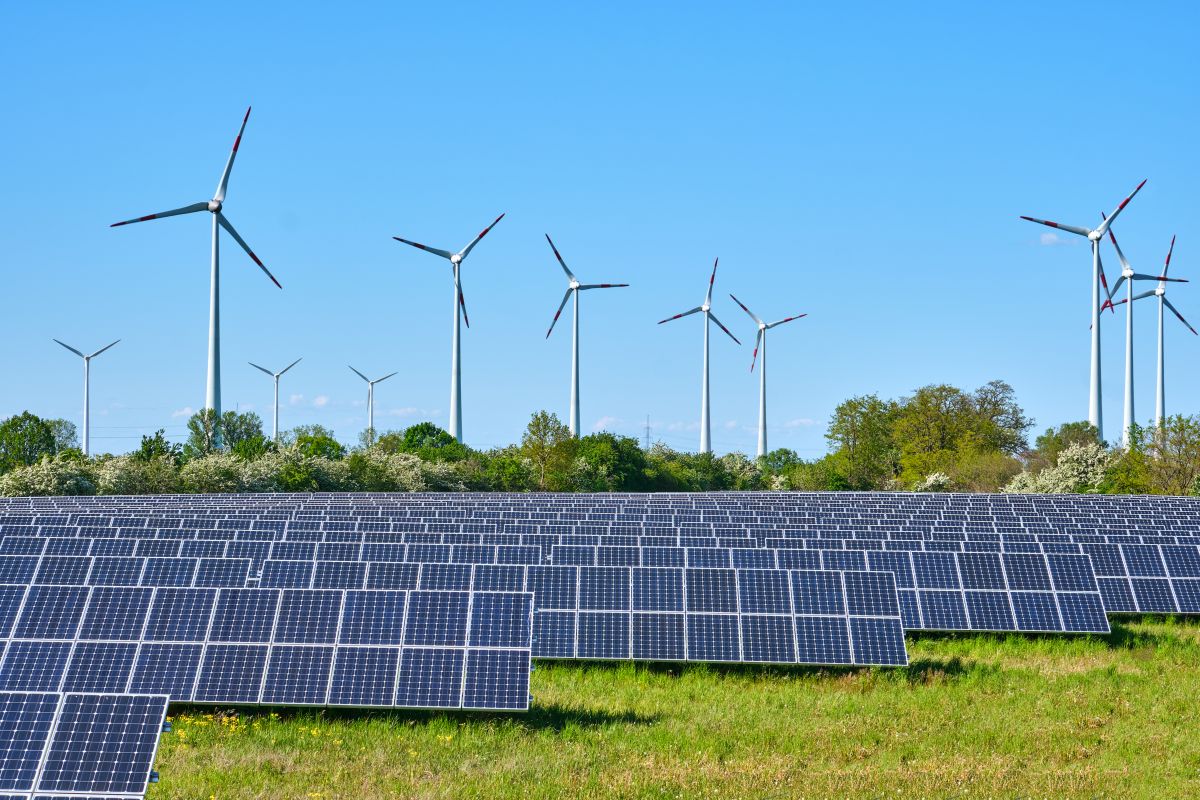
According to a U.S. Energy Information Administration report, average utility-scale solar capacity is expected to increase 20% this summer compared to last summer. In comparison, coal generation is expected to decline by 2%. EIA’s forecast indicates that solar and other renewable sources are expected to supply an increasing share of additional U.S. electricity demand, reducing reliance on traditional fossil-fuel generation to meet incremental power needs.
Wind, Hydro, and Nuclear Outlook
Recent reporting from EIA forecasts wind generation will increase 10% year-over-year, consistent with a nearly 8% rise in average wind capacity this summer relative to last summer. EIA also forecasts smaller increases of approximately 5% and 1% in hydro and nuclear generation, respectively.
Solar is carrying the largest share of that growth. Rather than thermal generation expanding to meet rising summer cooling loads, EIA’s forecast shows the incremental increase in demand being met by solar and, to a lesser extent, wind, reflecting a structural shift from the pattern that characterized U.S. summer electricity markets for most of the past several decades.
The Solar Capacity Growth with Battery Storage
The growth in solar capacity has directly transformed into rising generation output. The summer generation forecast reflects a capacity expansion that has been building across the year. That buildout is what enables EIA’s summer outlook to show a 20% year-over-year jump in available solar capacity.
New solar projects completed over the preceding twelve months, together with continued growth in co-located battery storage, are helping shift solar-generated electricity into hours when it is most needed. These projects are now contributing to summer peak supply in a way that simply was not possible at this scale even two or three years earlier.
Decline in Coal and Natural Gas Consumption
The EIA report forecasts a decrease in coal production across all producing regions through at least December 2027 and an 11% decrease in coal consumption in 2026 compared with the same period last year.
The STEO’s coal outlook helps explain why solar is absorbing such a large share of new summer demand. EIA notes that warmer-than-normal summer temperatures could push coal consumption above current forecasts, particularly if natural gas prices rise in tandem with cooling demand.
EIA’s data places this growth in context relative to the broader generation mix. Dispatchable sources, such as natural gas, coal, and nuclear power, which can operate continuously as baseload generation regardless of weather conditions, still accounted for 75% of total U.S. utility-scale electricity generation in 2025.
During the first quarter of 2026, coal consumption declined by 11% compared with the same period last year. A warm March and April, combined with lower natural gas prices, have reduced the need to burn coal.
Real-World Evidence: New York’s Solar Record
The STEO’s national forecast is already visible in regional grid data. While observing record solar output, the grid operator also flagged declining reliability margins and described rapid and uncertain load growth across its footprint, driven substantially by electrification and the early stages of data center demand growth in the state.
NYISO’s report further noted that New York is transitioning toward a winter-peaking system, with winter peak demand now rising more quickly than summer peak demand. This structural shift complicates how grid planners think about the seasonal value of solar capacity, which generates most heavily during long summer days and contributes comparatively little during the shorter daylight hours of winter peak periods.
Solar Energy Industries Association
Solar’s rapid capacity growth has been closely paired with parallel growth in battery energy storage. This trend helps address solar power’s principal limitation: its output is concentrated during daylight hours and declines in the evening, even as electricity demand often remains elevated.
According to the Solar Energy Industries Association, U.S. energy storage installations hit a first-quarter record in early 2026, up 32% year-over-year, consistent with EIA’s separate finding that developers plan to add 24 gigawatts of new utility-scale battery storage capacity in 2026, compared with the record 15 gigawatts added the previous year.
The pairing of solar and storage capacity additions reflects an increasingly standard model for new utility-scale renewable development, particularly in states such as Texas, Arizona, and California, where the bulk of 2026’s new solar and storage capacity is concentrated.
Factors of Solar Capacity Growth in 2026
Several converging factors explain why 2026 has emerged as a landmark year for solar capacity growth. The rapid acceleration of large electricity loads, driven substantially by data center and AI infrastructure development, has created urgent pressure on utilities and developers to bring new generation online as quickly as possible.
Utility-scale solar projects typically have shorter development and construction timelines than natural gas plants or nuclear facilities. Solar has become the most suitable answer to what energy researchers have described as a time-to-power crisis: the gap between when large new loads need electricity and when traditional generation sources can be built and connected to the grid.
The increasingly close pairing of solar generation with battery storage has addressed one of solar power’s central limitations by allowing developers to shift solar-generated electricity to periods of peak demand outside of daylight hours. The parallel surge in battery storage additions documented by EIA in 2026 is a direct reflection of this trend, with solar-plus-storage projects, such as the Tehuacana Creek development in Texas, increasingly representing the standard model for new utility-scale solar development rather than the exception.
Policy Backdrop
The summer’s capacity growth is unfolding against a shifting federal policy landscape for renewable energy development. In a development relevant to the pace of future solar and wind additions, a federal judge in 2026 restored a 5% safe harbor rule that had previously allowed wind and solar developers to begin claiming federal tax credit eligibility for projects by demonstrating that at least 5% of total project costs had been incurred, a standard that had been narrowed under separate federal rulemaking earlier in the year.
The restoration of that rule is expected to provide near-term clarity for developers planning projects to be completed in 2027 and beyond, at a moment when EIA’s own data show solar and storage development continuing at a record pace despite a less certain federal policy environment for renewables overall.
Conclusion
The scale of solar capacity growth documented by EIA in 2026 carries implications that extend well beyond the renewable energy sector itself. As solar’s share of the summer capacity mix rises, its influence over wholesale electricity prices, daily generation patterns, and grid operations during peak-demand hours grows correspondingly. The accelerating deployment of battery storage capacity alongside solar growth in EIA’s 2026 reporting reflects the industry’s and grid operators’ response to that operational challenge.
FAQs
1. What are the key drivers of the U.S. electricity market in 2026?
2. How is renewable energy expected to impact the U.S. electricity market in 2026?
3. Will electricity demand increase in the U.S. by 2026?
4. What challenges could affect the U.S. electricity market in 2026?
5. How are utilities preparing for the future electricity market?
Disclaimer: Any opinions expressed in this blog do not necessarily reflect the opinions of Certrec. This content is meant for informational purposes only.