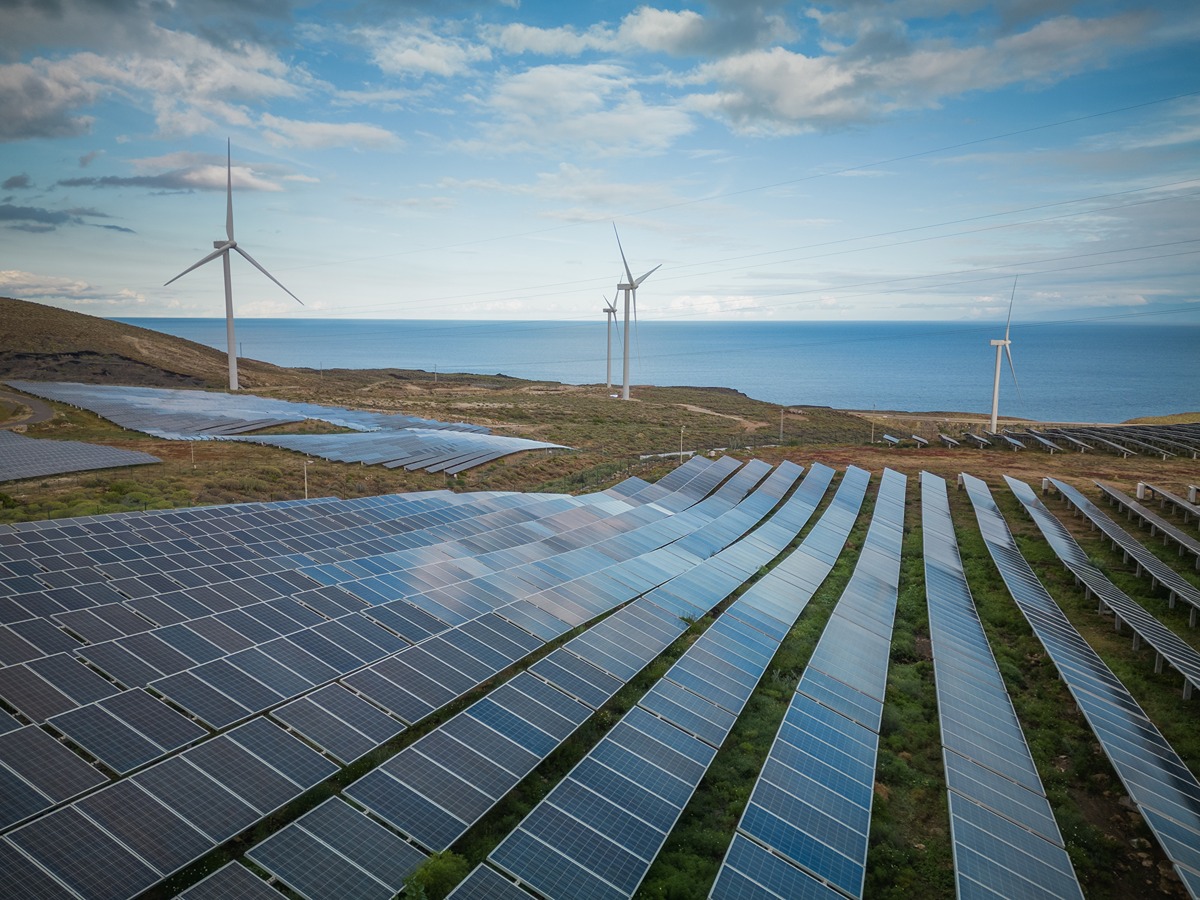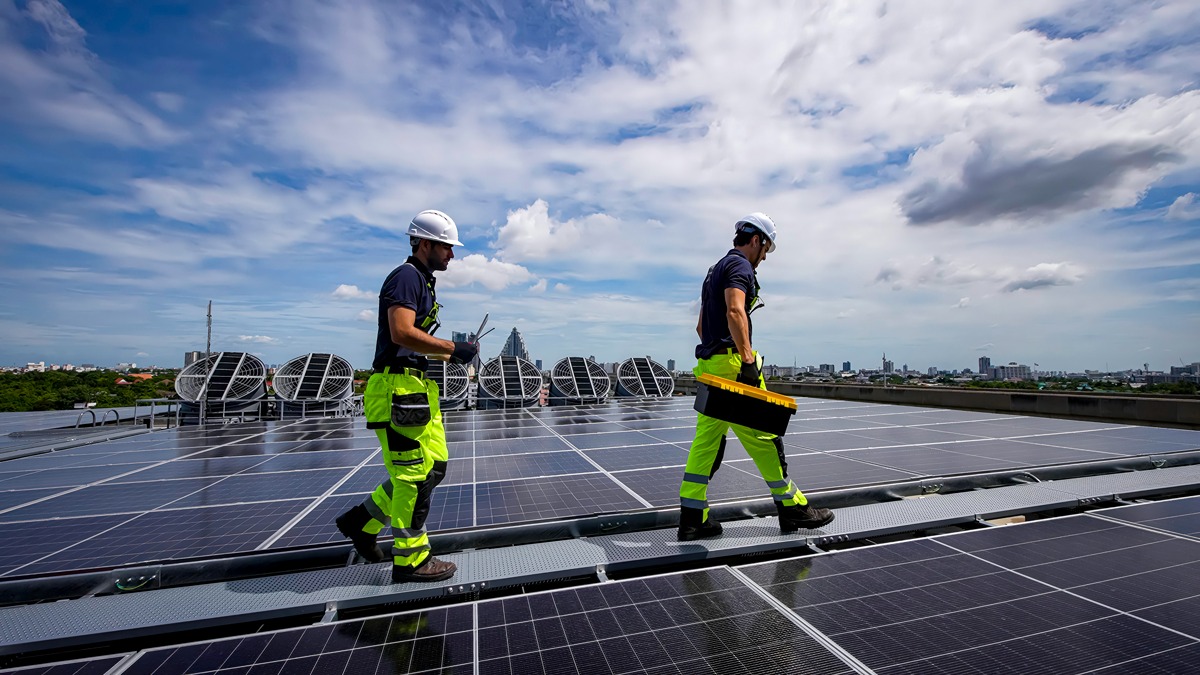


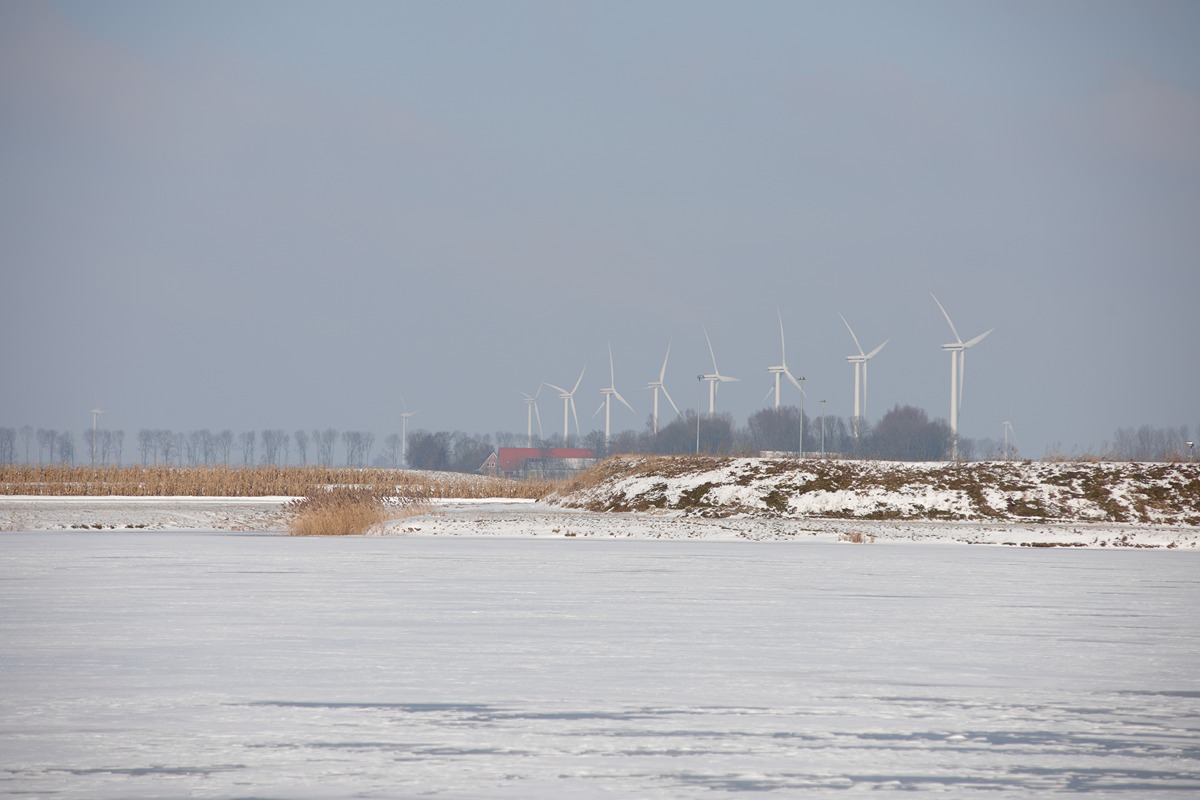
Attorneys general from 18 states are seeking to intervene in a federal lawsuit against the Department of Defence over its freeze on wind power permitting reviews.
Why This Matters
The motion is the latest wrinkle in a nearly yearlong roadblock to new onshore wind development.
The July 16 motion cites the effects on the states’ energy portfolios and decarbonization goals, which in some cases are codified in state law or policy. They additionally cite impacts on employment, tax revenue, and public health.
The states seek the same relief as the industry plaintiffs who initiated the case in May—vacating and enjoining the freeze—and cite the same justification—alleged violations of the Administrative Procedure Act. But the states want to intervene because their interests differ from the industry’s, and so will their arguments.
The states’ motion indicates the industry plaintiffs do not object to state intervention, while the Department of Defence (DOD) has reserved its position and intends to file a response.
States’ Concerns
The states’ motion to intervene is led by New York Attorney General Letitia James.
“New Yorkers should not have to pay the price for the president’s personal vendetta against wind power,” she said in a news release. “As demand for energy continues to skyrocket, these wind projects have become more important than ever. My office will keep fighting to protect affordable energy, good-paying jobs, and the rule of law.”
The freeze affects multiple onshore projects in New York, James said, threatening at least $445 million in private investment and 806 jobs. Further, the administration’s stance makes it harder for the state to reach its statutory goal of 70% renewable energy by 2030.
That goal likely has slipped out of reach already, in part due to the Trump administration putting New York’s offshore wind goals out of reach indefinitely. James has mounted several challenges over that, too—most recently fighting the administration’s buyout of a wind lease in the New York Bight. (See 7 States Sue Trump Administration over OSW Buyout.)
In this latest action, New York is joined by Arizona, California, Colorado, Connecticut, Delaware, the District of Columbia, Illinois, Maine, Maryland, Massachusetts, Michigan, Minnesota, Nevada, New Jersey, New Mexico, Oregon, Rhode Island, and Washington.
Some, like Colorado and New Mexico, already have sizable wind portfolios. Some, such as New York, have sizable aspirations. Others generate minimal wind power within their borders but want to be able to import it. All claim some impact, as “DOD is now dutifully playing its role in the administration’s war on wind energy.”
Among the complaints:
- Oregon says $1.75 billion in investment and 4,716 jobs are at risk.
- Illinois lists nine proposed wind farms with a combined 2.23 GW nameplate capacity and $4.33 billion price tag that are stalled by the freeze.
- Colorado says its utilities plan to add 6.05 GW of wind capacity by 2030, or 40% of the new generation expected to come online in that period.
- Connecticut says it purchases power generated in states where the freeze is holding up development.
- Delaware complains the freeze is impeding its pursuit of a renewable portfolio standard requiring utilities to procure 40% renewable energy by 2035.
- Maryland worries that if new wind farms in or adjacent to PJM territory do not generate power, fewer renewable energy certificates will be available for purchase, which likely will raise energy prices and make it harder to meet the state’s renewable portfolio standard.
Simmering Slowdown
The matter stems from the DOD review of planned wind generation as part of the Federal Aviation Administration (FAA) assessment of whether the tall wind turbine assemblies proposed would pose a hazard to air traffic.
The FAA cannot conclude its review until DOD indicates the facility would create no security or defence risks, and DOD stopped making such determinations in mid-2025, saying it needed to reassess its review process in light of the evolution of drone warfare. The wind power industry and its advocates say this is a de facto freeze that is damaging the industry. (See Industry Worried Federal Onshore Wind Review is Stalled.)