

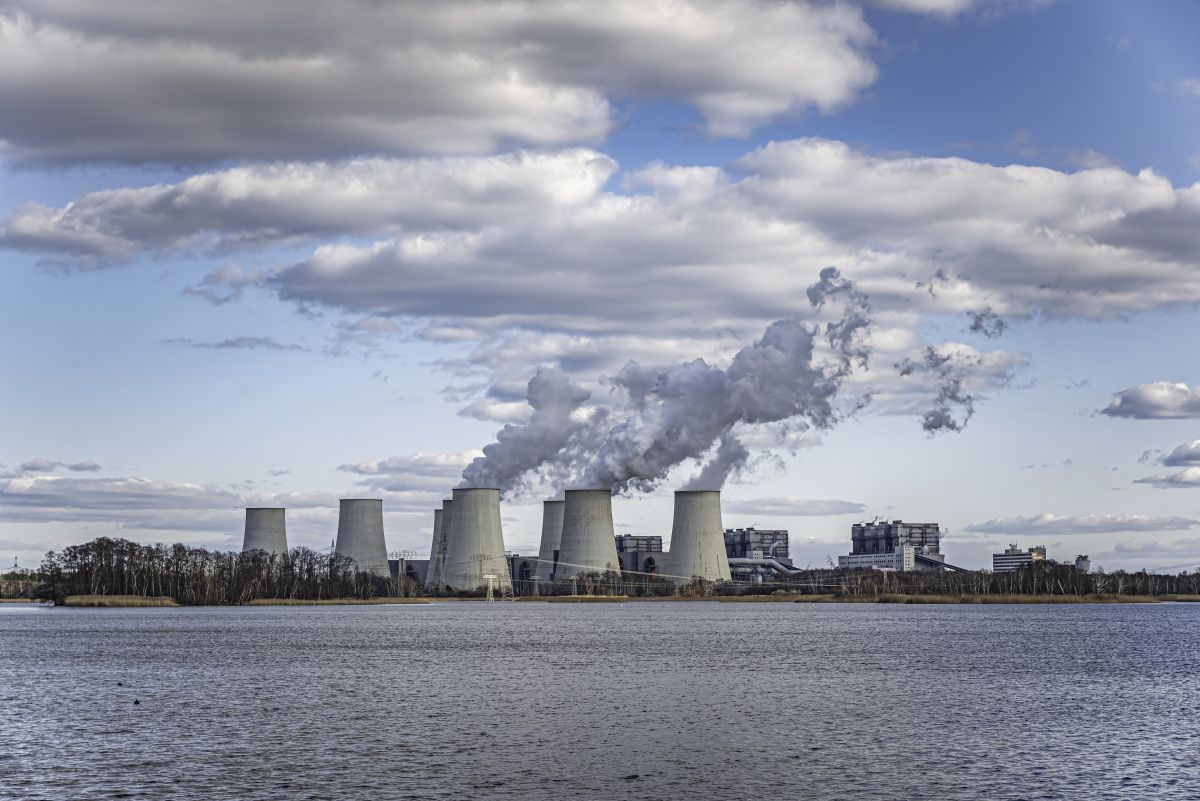
The North American Electric Reliability Corporation (NERC) published its 2026 State of Reliability report on June 24, 2026, and the findings carry a clear and urgent message for every grid operator, utility planner, and policymaker responsible for keeping the lights on across North America. Conventional generation, the dispatchable thermal capacity that has served as the backbone of the bulk power system for decades, is failing more frequently, failing more severely, and failing at a moment when the grid can least afford the loss of available reserves.
A Fleet-Wide Deterioration in Conventional Generation Performance
The headline finding of NERC’s 2026 report is an increase in the annual weighted equivalent forced outage rate for conventional generation to 9.2% in 2025. NERC noted that the figure sits above the historical norm, which the report characterized as rarely exceeding 8%.
The threshold breach is significant because forced outage rates are among the most foundational reliability indicators in the industry; they reflect whether generating resources are available not merely on average days but during high-demand periods and stressed system conditions, precisely when their absence does the most damage.
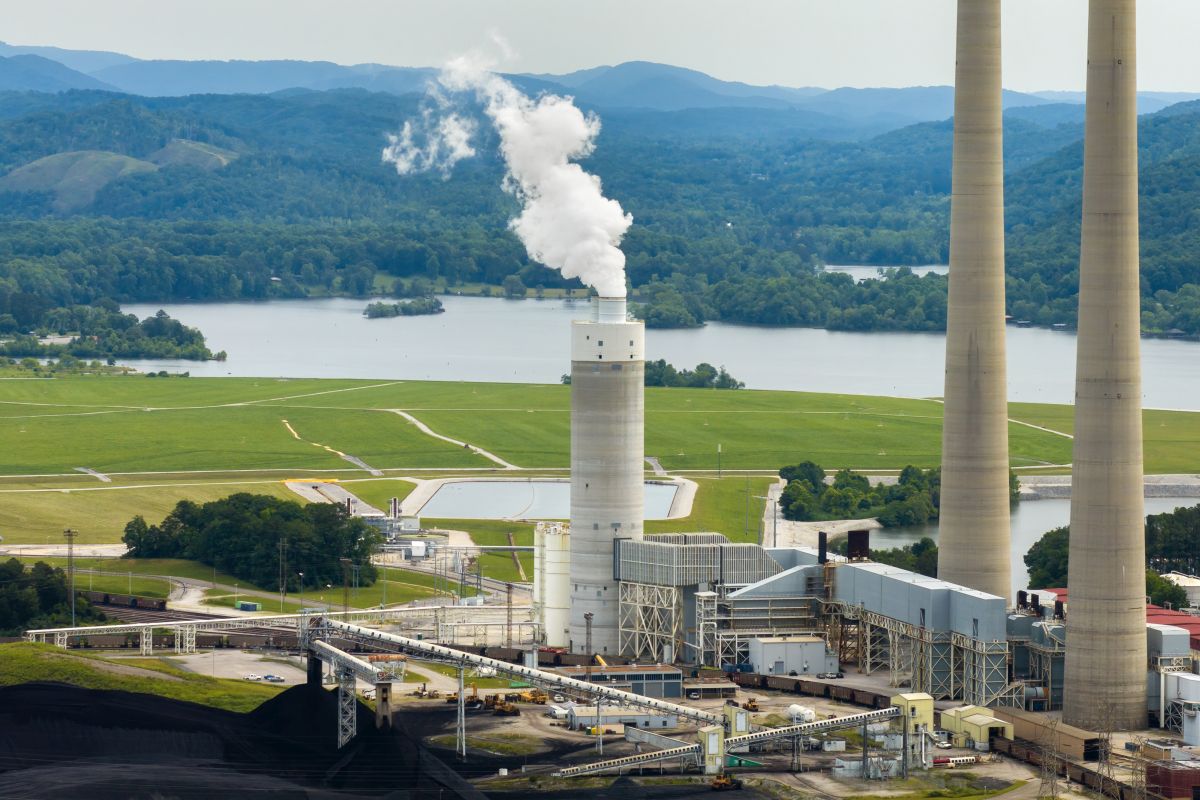
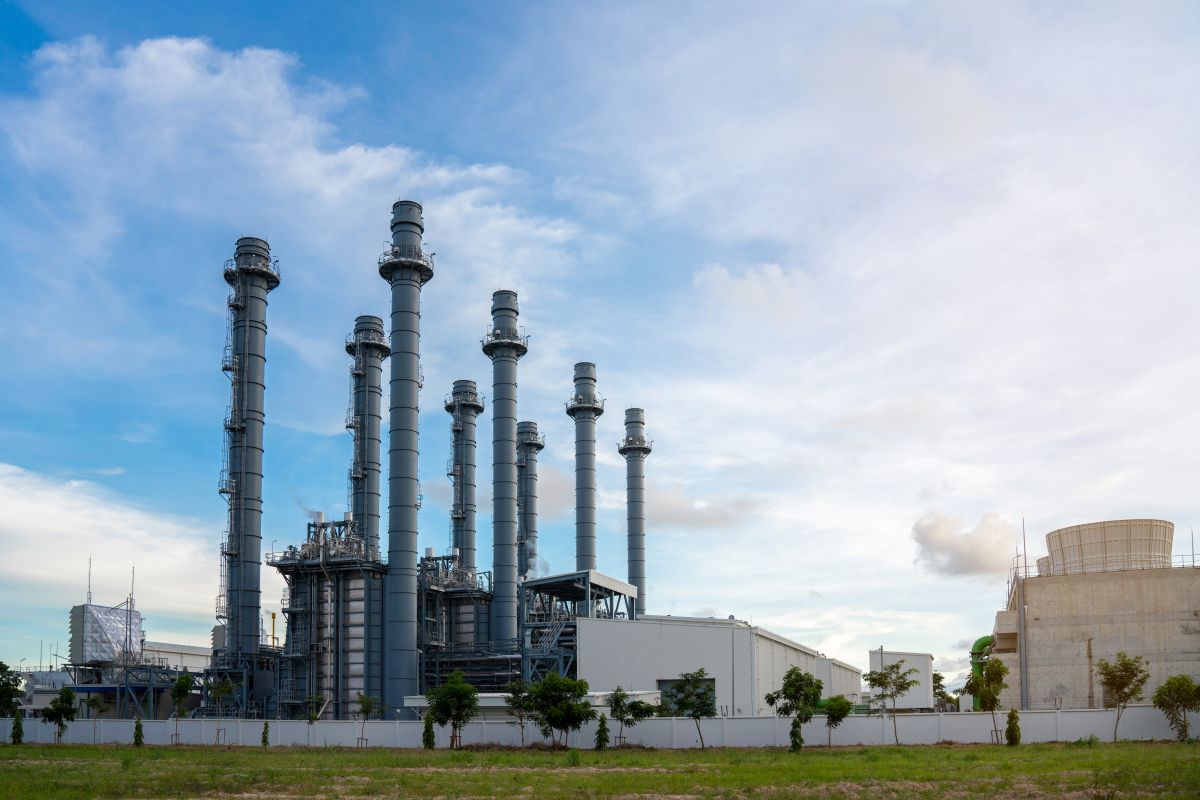
Coal and combined-cycle natural gas units were the primary drivers of the deterioration. Coal-fired generation saw its forced outage rate rise from 11.2% in 2024 to 14.1% in 2025, contributing 39.8 terawatt-hours of unavailable energy year over year. Combined-cycle natural gas units saw their forced outage rate increase from 4.2% to 5.7%, adding a further 19.1 TWh of unavailability.
In total, conventional generation availability fell in 2025, largely driven by the declining performance of coal and gas generation, NERC said. As forced outage rates increase, the agency noted, planning reserve margins may need to rise correspondingly to account for the added uncertainty, a finding with significant implications for resource adequacy planning across every NERC assessment area.
Why Conventional Units Are Failing More Frequently
NERC’s report does not attribute the deterioration in forced outage performance to a single cause. It identifies a convergence of structural factors, each of which compounds the others.
The aging of the coal fleet is the most prominent. Most large coal units are more than 40 years old, NERC noted, and were not designed for regular cycling, which has become an operational requirement in some regions and an economic necessity in others.
To understand the practical consequences, NERC conducted a voluntary survey of 41 generators that experienced at least one additional terawatt-hour of unavailability in 2025 compared with 2024. Of the 26 units that responded, 16 experienced equipment destruction extensive enough to significantly prolong their 2025 outage(s), another eight experienced supply chain constraints, and six indicated turbine blade release or vibration requiring attention.
The report also identified regulatory compliance requirements as a significant contributor. Regulatory reasons for outages were the most consistently increasing cause of forced outages between 2017 and 2025, according to NERC. However, the report explicitly stated that those increases did not indicate any alignment with a particular policy objective, a careful distinction that separates the data from any specific regulatory agenda.
Supply chain constraints represent a third structural pressure. Eight of the 26 responding units in NERC’s voluntary survey identified supply chain issues as a contributor to extended outage durations. For aging thermal generation, sourcing replacement components, particularly for turbine systems no longer in active production, can add months to outage timelines that would previously have taken weeks to resolve.
Demand Growth Is Simultaneously Accelerating
The deterioration in conventional generation performance is occurring against the backdrop of the fastest demand growth NERC has tracked since it began maintaining reliability data in 1995. NERC’s 2025 Long-Term Reliability Assessment, published in January 2026, projected that summer peak demand across North American assessment areas could surge by 224 gigawatts over the next decade, 69% higher than the 132 GW growth projected in the prior year’s assessment.
Winter peak demand growth was projected at 245 GW, a 65% increase from the previous year’s estimate. Data centers and artificial intelligence infrastructure account for the dominant share of that projected growth, though large industrial facilities, electrified transportation, cryptocurrency mining, and heat pump deployment all contribute.
The collision between declining availability of conventional generation and rising demand is precisely the dynamic that NERC’s deployable reserves warning reflects. Deployable reserves, the margin of generating capacity operators can call on to meet unexpected demand spikes, respond to transmission contingencies, or compensate for sudden unit outages, are the grid’s operational buffer. When forced outage rates rise, and that buffer shrinks, the probability of tight operating conditions increases, and the potential for supply shortfalls during stressed periods grows.
Data Center Load Reductions Compound the Risk
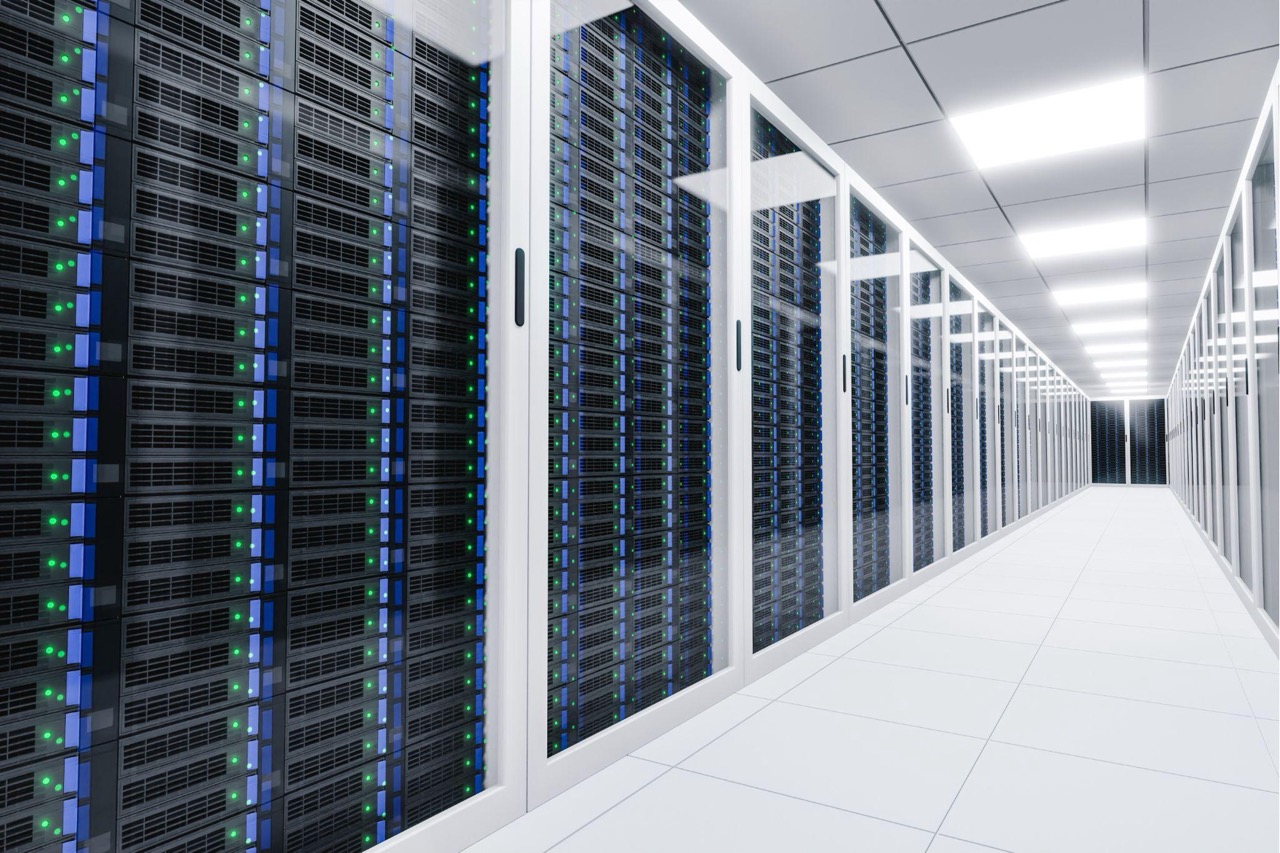
NERC’s 2026 report devoted a dedicated section to computational loads for the first time, and the findings from that analysis add a further dimension to the reliability picture. In February 2025, a single transmission fault in the Eastern Interconnection caused 1,800 megawatts of data center demand to disconnect simultaneously, a customer-initiated load reduction event equivalent to the output of roughly two large power plants, which was eliminated from the demand side of the grid in milliseconds.
A separate Eastern Interconnection event in the same month resulted in a 428 MW reduction in data center load. These events, driven by uninterruptible power supply systems tripping offline during transmission faults, represent a failure mode that grid operators are only beginning to study and model. NERC characterized them directly: These events demonstrate that the reliability challenges from large loads will increase as these facilities become more prevalent on the grid. It remains important for grid planners and operators to understand and study the expected performance of large load facilities during grid disturbances.
The coincidence of shrinking deployable reserves from conventional generation and unpredictable, large-scale load reductions from data center facilities creates a compounded risk profile that neither challenge would present in isolation.
The Role of Battery Storage, and Its Limits
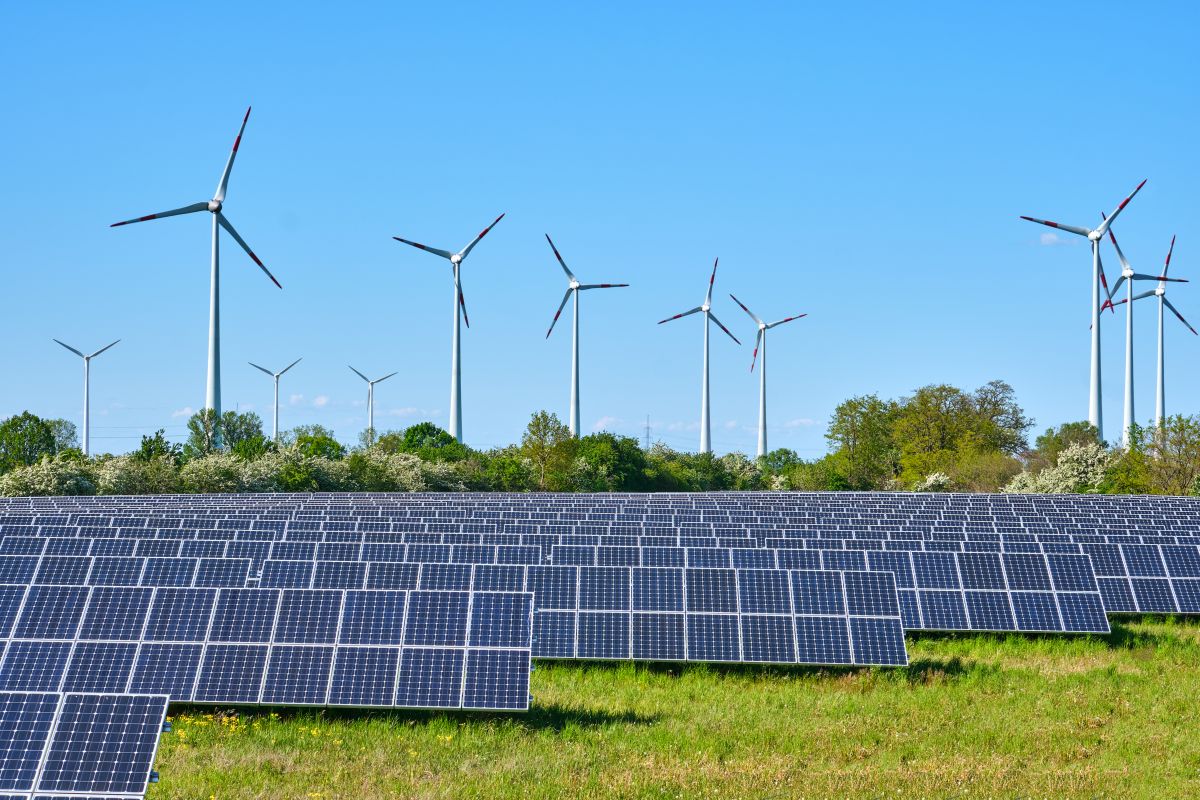
Battery energy storage systems have expanded rapidly since 2022, with penetration growth that approximately matched solar capacity additions in 2025. NERC acknowledged the operational contribution that BESS resources make to grid management, noting that storage can smooth load curves and provide additional ramp time for conventional generators during the most demanding periods of the day, thereby reducing the cycling stress that is already contributing to higher forced outage rates.
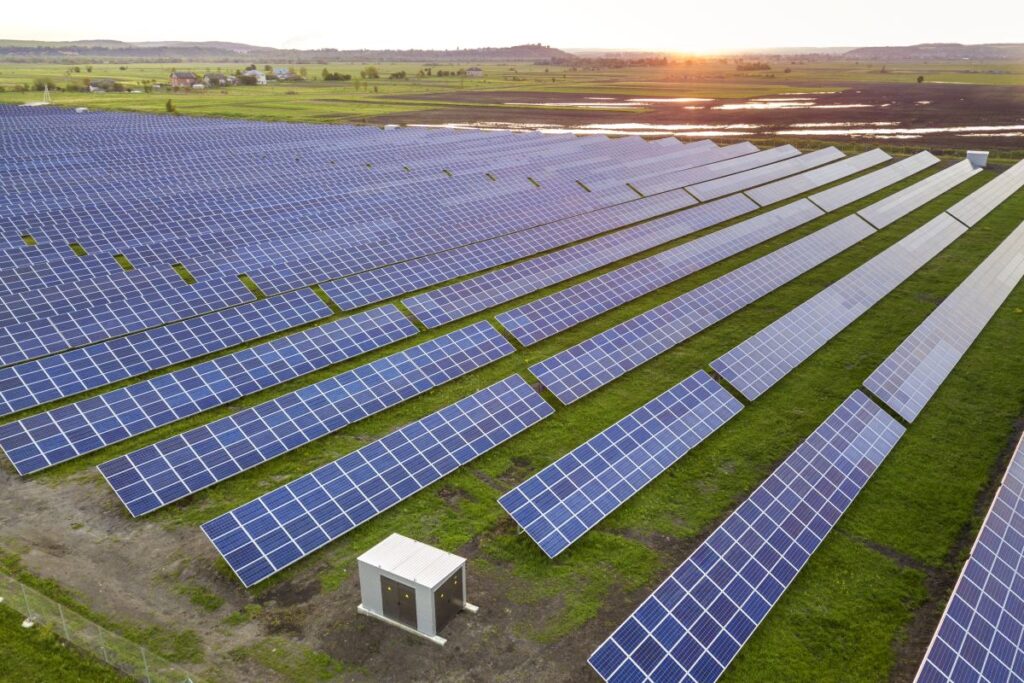
However, NERC was explicit about what BESS resources cannot do. Battery systems have limited energy duration, and their role during grid emergencies is to rapidly recover and maintain frequency until additional resources can come online for indefinite system support. They are not, NERC stated, a solution for long-term, widespread degradation events such as major winter storms.
A separate reliability event documented in the 2026 report illustrates a distinct BESS risk: in January 2025, a 300-MW battery energy storage facility experienced a thermal runaway during routine testing, resulting in the facility’s functional destruction. NERC noted that the permanent, unplanned loss of a non-BESS facility is exceedingly rare and that this type of failure represents a risk unique to BESS that should be considered as the resource continues to expand.
Reserve Margin Adequacy Requires Recalibration
Taken together, the findings from NERC’s 2026 State of Reliability report point to a specific and consequential planning implication: the assumptions embedded in current planning reserve margin targets may be inadequate for a grid operating with this level of forced-outage variability.
If conventional units are failing more frequently, and if the magnitude of those failures is being driven by structural factors, aging equipment, increased cycling, and supply chain delays that are unlikely to resolve quickly, then reserve margins calculated against historical outage norms will systematically underestimate the capacity buffer actually needed to maintain reliability under stressed conditions.
NERC has stated as much: as forced outage rates increase, planning reserve margins may need to increase to account for the added uncertainty. Translating that principle into revised planning standards across multiple regional transmission organizations and reliability coordinators will require coordinated action among utilities, grid operators, state regulators, and the federal agencies responsible for ensuring resource adequacy across North American assessment areas.
Conclusion
NERC’s 2026 State of Reliability report documents a convergence of pressures that has shifted the grid’s reliability margin from manageable stress to measurable and increasing risk. Coal-fired generation forced outage rates have reached 14.1%; combined-cycle gas units have experienced their highest forced outage rate in recent years; and the fleet-wide forced outage rate has exceeded its historical ceiling for the first time in years, all while demand is growing at rates not seen since NERC began tracking the data.
Deployable reserves are shrinking as a direct consequence. The grid continues to function and deliver reliable electricity service across most hours and conditions. But the margin for error is narrowing, and NERC’s 2026 findings make clear that restoring it will require more than incremental adjustments to existing planning frameworks.
FAQs
1. What are the key drivers of the U.S. electricity market in 2026?
2. How is renewable energy expected to impact the U.S. electricity market in 2026?
3. Will electricity demand increase in the U.S. by 2026?
4. What challenges could affect the U.S. electricity market in 2026?
5. How are utilities preparing for the future electricity market?
Disclaimer: Any opinions expressed in this blog do not necessarily reflect the opinions of Certrec. This content is meant for informational purposes only.