

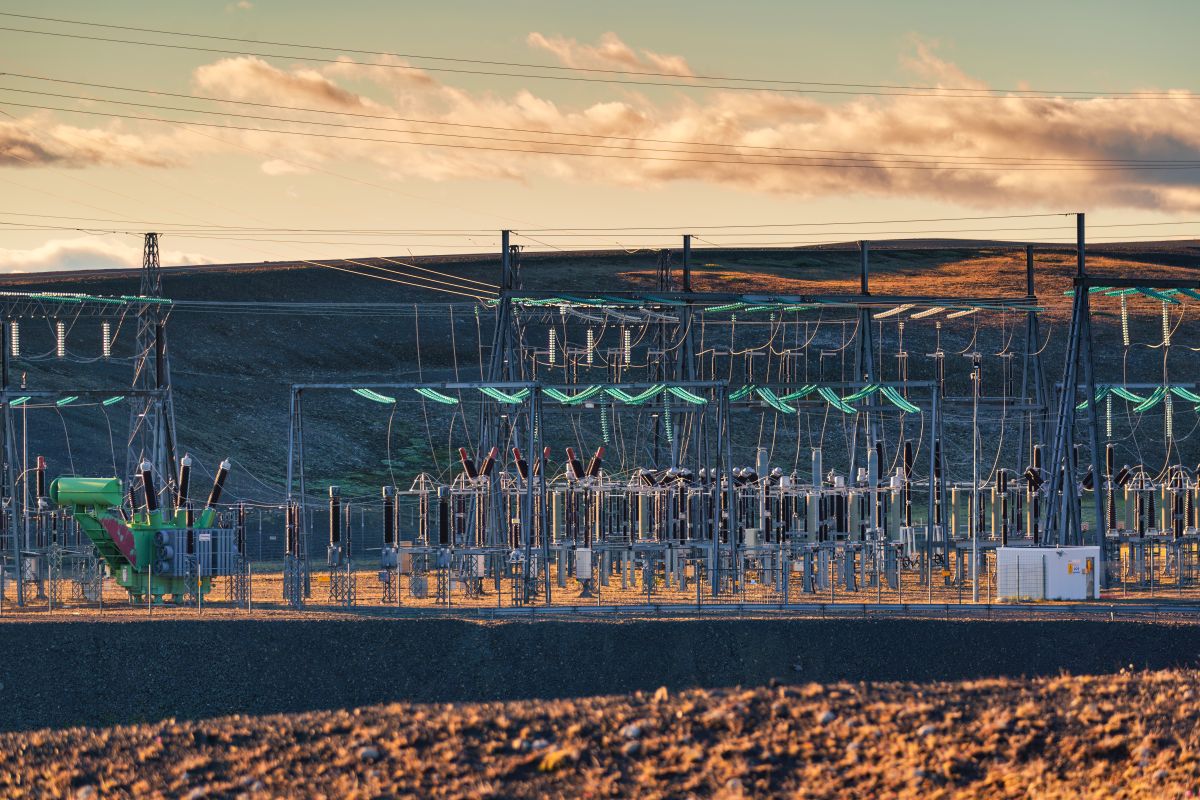
The U.S. is about to experience a period of sustained increase in electricity demand that has not been experienced in a long time. The recent growth in consumption, driven by new technologies and changes in policies, is redefining the load pattern. Analysts now estimate that to be able to meet the demand tomorrow, it will be necessary to make game-changing investments in generation, grid infrastructure, and regulatory structures to achieve a reliable, resilient, and affordable power market. The predictions and the drivers of these predictions are critical as the utilities, regulators, and energy stakeholders move ahead.
Long-Term Demand Projections
According to a study by the National Electrical Manufacturers Association (NEMA), the aggregate U.S. electricity demand is likely to increase about 2 percent per year in the next 25 years, reaching a 50 percent increase in 2050 over the current offtake. It is a projection that strikes a balance between fast growth factors, including the development of data centers and transportation electrification, with energy efficiency and demand-management initiatives.
Short- to Medium-Term Growth
According to Grid Strategies, the more immediate five-year outlook is for nationwide load to jump by 128 GW, about a 3 percent compound annual growth rate between 2024 and 2029. This rate reflects the peak maintained expansion the U.S. grid experienced back in the economic boom of the 80s. This kind of sudden change exerts a huge burden on capacity planning and expansion of transmission, as well as distribution upgrades. Regions with already tight margins may confront reliability risks if supply does not keep pace.
Key Demand Drivers
Data Centers and AI Workloads
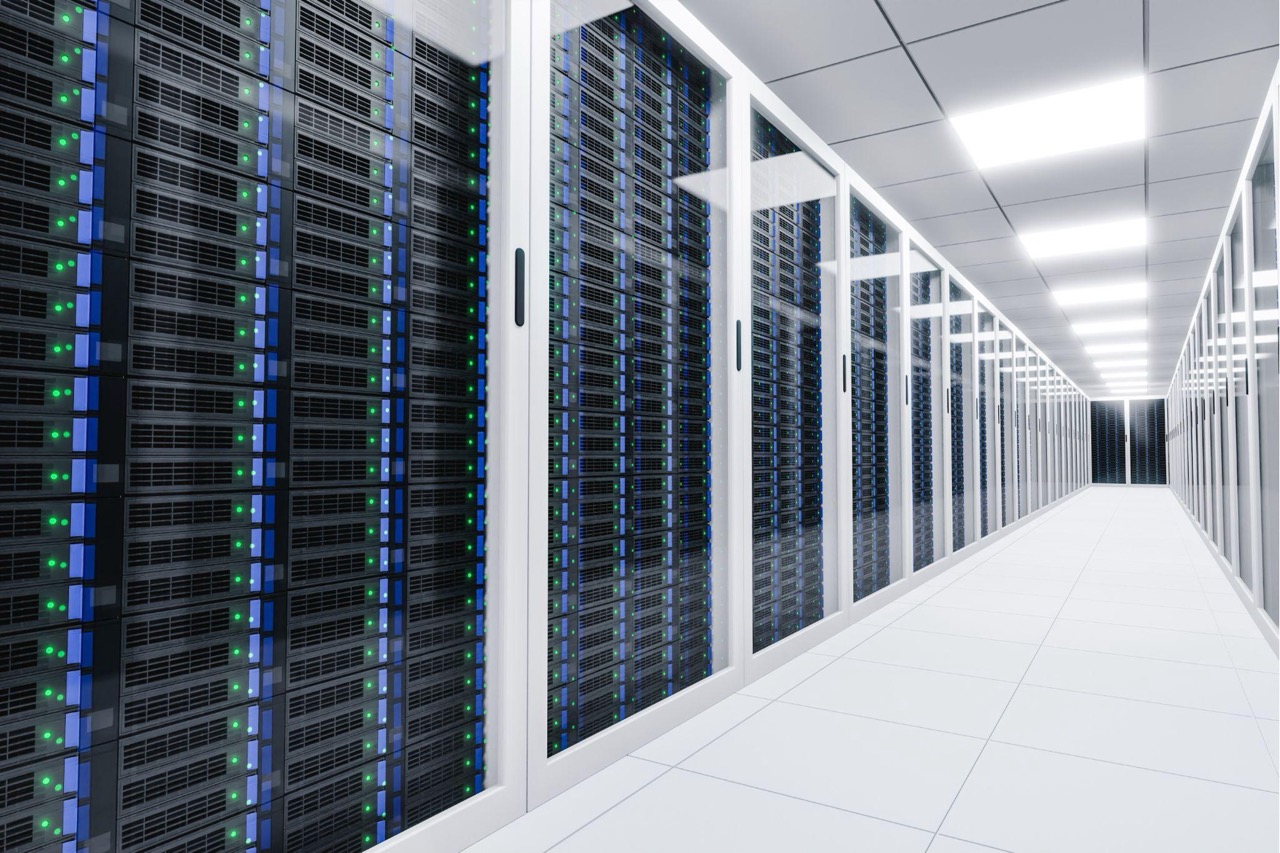
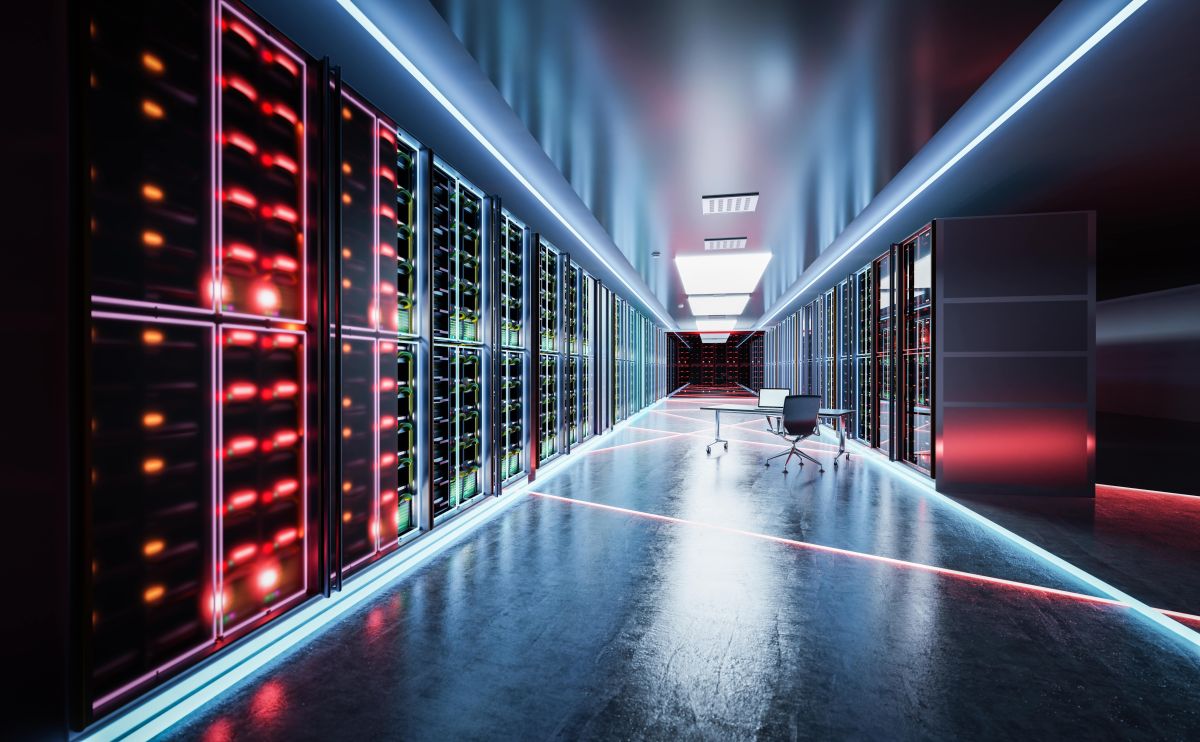
One of the leading drivers is the fast growth of hyperscale data centers, especially those accommodating Artificial Intelligence (AI). It is estimated that global electricity consumption of data centers will double by 2030, with 945 terawatt-hours (TWh). Training of AI models, cloud services, and edge computing places significant computing requirements on computing resources, and these baseload requirements have never been experienced before and must be sustained 24/7.
Transportation Electrification
With an increase in EV adoption, new challenges in the form of charging patterns (and particularly fast charging) present new peak-load concerns. To avoid distribution limitations and enable equal access to the charging services, the utilities are to invest in smart charging initiatives, grid improvements at the substations, and cooperation with aggregators.
Policy and Regulatory Landscape
In 2025, the federal officials initiated some targeted actions to cope with the increasing pressure on the national energy grid. Agencies were instructed to speed up the system of permitting and use emergency-based regulatory instruments as desirable. The emphasis was put on simplified environmental review according to the NEPA.
These measures were to set deadlines to carry out assessments and the use of digital tools to minimize administrative delays. The Nuclear Regulatory Commission (NRC) is simplifying its licensing process by decreasing environmental review periods and the commenting process. The main reforms are the limit of pages in the Environmental Impact Statement (EIS), utilization of virtual audits, and coordinated review processes. This is to fast-track the deployment of advanced reactors and license extensions without interference with safety or environmental standards.
Conclusion
Projections of 50 percent load development by 2050 and almost 16 percent development by 2029 provide a demonstration of how massive the energy changeover in the U.S. will be. The introduction of data facilities, EVs, and electrification of markets presupposes the appearance of a new normal, when the flat demand curve will become a part of history and the dynamic load growth will be driven by technologies. An efficient energy mix that is a blend of various sources of clean energy and dispatchable energy, simplified regulations, effective regulatory policies, and utilizing digital grid technologies can propel a power system into developing reliability, affordability, and resilience well into the future.
FAQs
What is the projected increase in U.S. electricity demand by 2050?
How much will the U.S. electricity load grow between 2024 and 2029?
What is the expected electricity consumption of data centers in the U.S. by 2030?
How will electric vehicle charging impact U.S. peak load by 2050?
How are regulatory reforms supporting U.S. energy demand growth in 2025?
Disclaimer: Any opinions expressed in this blog do not necessarily reflect the opinions of Certrec. This content is meant for informational purposes only.