

“Management has highlighted (transmission constraints) as a risk factor … citing behind-the-meter as a potential solution,” said Jefferies equity analyst Julien Dumoulin-Smith.
Early investor feedback has been “skewed positive” after enhanced geothermal developer Fervo Energy went public last month, but the company’s pipeline of around 42 GW is impacted by transmission constraints in the West, said a Monday research note from Jefferies.
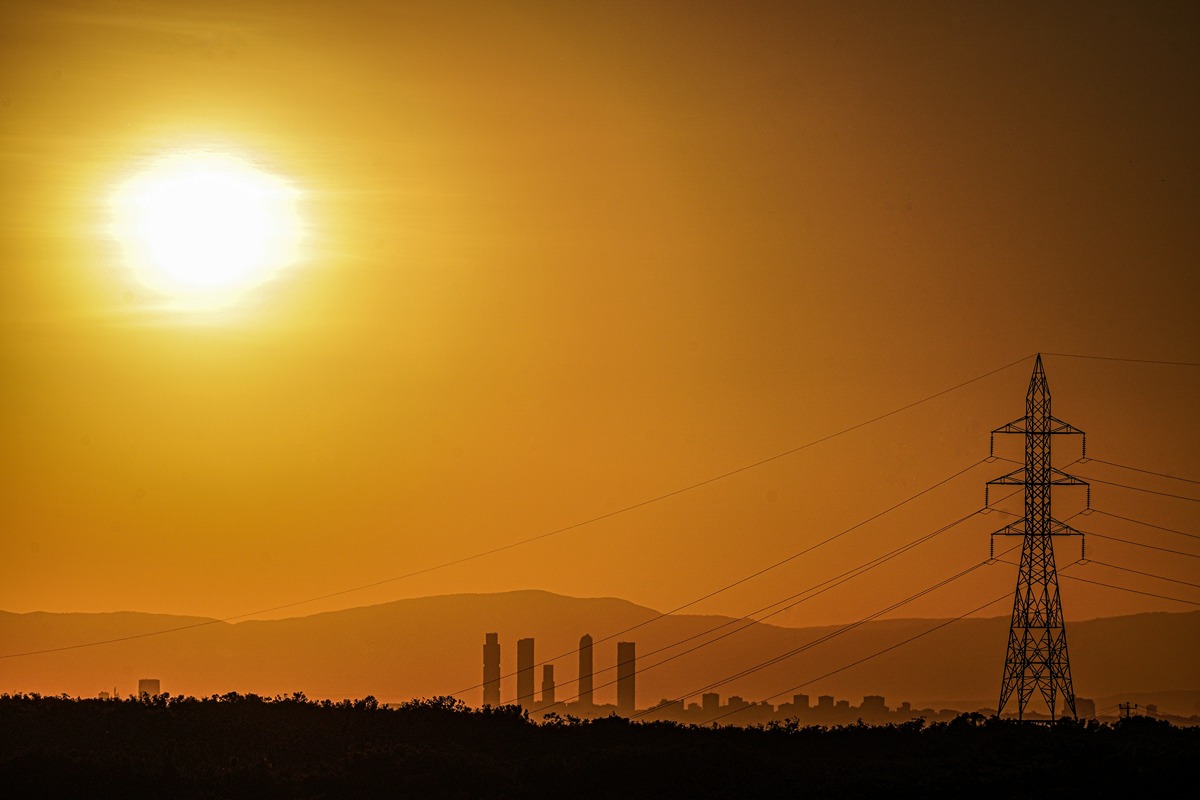
Those constraints “could slow (Fervo’s) anticipated roll-out as most sites are in rural areas with limited infrastructure,” Jefferies equity analyst Julien Dumoulin-Smith said in the note. “Management has highlighted this as a risk factor for the full 384 MW, citing behind-the-meter as a potential solution.”
Market intelligence and research platform MLQ.ai made a similar assessment in a May 5 analysis of Fervo’s initial public offering.
“Fervo depends on third-party transmission infrastructure for all current revenue and contracted (power purchase agreements),” the analysis said. “For Cape Station Phase II specifically, the company holds approximately 290 MW of interconnection and transmission rights, which is insufficient to support the full 384 MW of combined contracted capacity under expanded SCE and Clean Power Alliance PPAs. If additional transmission capacity cannot be secured, revenues will be reduced, or contracts may be modified.”
However, Dumoulin-Smith said Fervo’s management “appears more bullish than we initially considered” when it comes to connecting their generation directly to customers behind the meter. In May, Sarah Jewett, Fervo’s senior vice president of strategy, told TechCrunch that the company is “seeing an increasing amount of behind-the-meter commercial interest.”
In March, Fervo left comments on a California Public Utilities Commission concept paper, Working Concepts in Transmission Financing and Ownership, noting that the CPUC has committed to initiating the procurement of clean firm resources like geothermal but “needs to take urgent action to unlock delivery through new transmission.”
Fervo’s 42 GW pipeline spans ten projects across Nevada, Utah, and Idaho, and the company has identified additional prospective lease areas in those three states as well as California, New Mexico, and Washington.
Overall, Dumoulin-Smith said investors are “engaged and appear receptive to the story, with questions centering on how to build conviction on first-of-a-kind enhanced geothermal. ” Growth is compelling, but the next few months remain critical as investor scrutiny will be at its peak for both execution and potential setbacks ahead of Phase I (commercial operations date) at Fervo’s landmark project, the 500-MW Cape Station in Utah.